
Fungal beta-glucans are bioactive polysaccharides in mushrooms like Turkey Tail, Reishi, and Lion’s Mane that bind immune receptors and modulate how your body fights off threats. The evidence is strongest for immune support, with promising but species-specific signals for cognitive function and recovery. Most human data comes from adjuvant cancer contexts, not general wellness use, so treat these as resilience tools that complement your routine, not a magic switch you flip once.
TL;DR:
- The strongest clinical evidence for immune support comes from Turkey Tail mushroom extracts (PSK and PSP), primarily used as adjuncts in cancer therapy, not for general health.
- Structural differences in beta-glucans, such as branching and molecular weight, critically affect their immune-activating properties, making extract quality and standardization essential.
- Oral bioavailability of beta-glucans varies based on extraction methods, solubility, and individual gut physiology, meaning the same dose may produce different effects in different products.
- Most research on cognitive benefits involves compounds like erinacines and hericenones from Lion’s Mane, with beta-glucans providing secondary anti-inflammatory support rather than direct nerve growth effects.
- Combining mushroom extracts with NAD+ precursors like NMN may support immune resilience and cellular energy, but large-scale human trials investigating their synergistic effects are still lacking.
Table of Contents
- Beta Glucans Benefits: What the Mechanism Tells Us
- The Strongest Evidence: Immune Support and Clinical Contexts
- Cognitive Support: Where Lion’s Mane Fits In
- How Beta-Glucans Pair with NAD+ Support
- Dosing, Formulation, and Safety Basics
- How to Choose a Mushroom Beta-Glucan Supplement
- Beta-Glucans vs. Other Immune Compounds
- Beyond Immunity: Metabolic and Cardiovascular Signals
- Bioavailability: Why the Same Dose Doesn’t Work the Same Way Twice
- Regulatory Status: What Claims Are Actually Allowed
- What CP-1 Brings to This Conversation
- A Combined Approach Worth Considering
- Sources
- FAQ
Beta Glucans Benefits: What the Mechanism Tells Us
Every claim about beta glucans benefits traces back to one biological fact: your immune cells have receptors built specifically to recognize these molecules. The main one is Dectin-1, a pattern-recognition receptor sitting on macrophages, dendritic cells, and neutrophils. When a beta-glucan molecule binds Dectin-1, it triggers a signaling cascade through an enzyme called Syk, which activates NF-κB, a master switch for inflammatory and immune genes. The Dectin-1 receptor pathway is the reason a mushroom extract can nudge your immune system toward higher alert without an infection actually being present.
Two other receptors, CR3 and TLR-2, also recognize these polysaccharides and amplify the response, which is documented in beta-glucan recognition research. The downstream result is cytokine production, specifically IL-1, IL-6, and TNF-alpha, the chemical messengers that coordinate your body’s defense.
Here’s what most articles skip: not all beta-glucans are built the same way, and structure determines whether this whole system even activates.
- Fungal beta-glucans have a (1→3) glycosidic backbone with (1→6) branch points, and that branching is what Dectin-1 actually grabs onto.
- Cereal beta-glucans from oats and barley have a different backbone structure and are studied mainly for cholesterol and blood sugar, not immune signaling.
- Molecular weight and solubility change which receptors engage, so an overprocessed extract can lose the branching that makes it bioactive in the first place.
The Strongest Evidence: Immune Support and Clinical Contexts
The most well-documented beta glucans immune support data comes from one specific mushroom: Trametes versicolor, known as Turkey Tail. Its polysaccharides, PSK and PSP, have decades of clinical use in Japan and China as adjuvant therapy alongside chemotherapy and radiation.
In clinical adjuvant settings, PSK and PSP from Turkey Tail have shown measurable improvements in immune parameters, and in some trial contexts, contributed to survival benefits when paired with standard cancer treatment protocols, according to research on Trametes versicolor polysaccharides.
That’s a meaningfully different claim than “boosts your immune system,” and it matters that you understand the distinction. PSK/PSP earned their reputation supporting patients whose immune systems were already under attack from treatment, not as a preventive supplement for otherwise healthy people. A broader review of fungal beta-glucans confirms the same pattern: strong signals in adjunctive and translational settings, thinner data for routine daily use in healthy adults.
There’s also the concept of trained immunity, the idea that beta-glucan exposure can reprogram innate immune cells to respond faster to future threats. It’s a compelling mechanism, and it’s real in preclinical models. But large randomized controlled trials testing oral fungal beta-glucans for this effect in healthy people just don’t exist yet at scale.
What we can say with confidence:
- Turkey Tail’s PSK/PSP have the most established human clinical use of any mushroom polysaccharide.
- Reishi (Ganoderma lucidum) shows immune-modulating and antioxidant activity in preclinical and smaller clinical work.
- Trained immunity is a legitimate mechanism, but it needs more human trial data before it becomes a marketing promise.
Cognitive Support: Where Lion’s Mane Fits In
Hericium erinaceus, or Lion’s Mane, is where the beta glucans for immunity conversation shifts toward the brain. Small clinical trials on erinacine A-enriched Lion’s Mane mycelia have reported improvements in cognitive measures like MMSE and attention-based tasks. A pilot study on erinacine A-enriched Hericium erinaceus found participants tolerated the extract well and showed measurable cognitive benefits over the trial period.
Here’s the nuance worth understanding: the neurotrophic effects in Lion’s Mane are driven mainly by erinacines and hericenones, two compound families distinct from its beta-glucan content. Beta-glucans in Lion’s Mane play a supportive role, mainly through immune and inflammation pathways, rather than being the direct driver of nerve growth factor activity.
That distinction changes how you should think about a Lion’s Mane product:
- Erinacines and hericenones appear to drive the direct neurotrophic signaling tied to focus and memory support.
- Beta-glucans contribute an anti-inflammatory backdrop that may help preserve cognitive function over time.
- Effect sizes in trials have been modest, and results vary by extract type, dose, and individual biology.
Don’t expect a single dose to sharpen your focus like a stimulant would. This is a slower, cumulative kind of support.
How Beta-Glucans Pair with NAD+ Support
NMN (nicotinamide mononucleotide) works through a completely different pathway than beta-glucans, but the two make conceptual sense together. NMN is a direct precursor to NAD+, a coenzyme your mitochondria need for energy production and DNA repair. NAD+ biology research shows NMN supplementation raises intracellular NAD+ levels in models, with results varying by individual metabolism.
The synergy argument goes like this: chronic low-grade inflammation drains NAD+ reserves because your body burns through them fighting a constant, low-level fire. If beta-glucans help modulate that inflammatory load, they may indirectly help preserve the NAD+ pool that NMN is trying to replenish. That’s a mechanistic connection, not a proven clinical outcome. No large trial has directly tested NMN plus fungal beta-glucans together and measured combined effects.
- NMN raises NAD+ substrate availability for mitochondrial energy pathways.
- Lower systemic inflammation may help preserve NAD+ function over time.
- Direct clinical trials combining the two remain limited, so this is reasoned synergy, not confirmed outcome data.
Pro Tip: If you’re stacking an NAD+ precursor with mushroom extracts, take them with food. Fat and protein slow gastric transit and can improve absorption of fat-soluble bioactives, similar to how absorption strategies for botanical extracts improve uptake of other plant compounds.
Dosing, Formulation, and Safety Basics
Not all mushroom extracts are created equal, and the fruiting body versus mycelium distinction matters more than most labels admit. Fruiting bodies generally carry higher beta-glucan concentrations than mycelium grown on grain substrate, and water extraction pulls beta-glucans out more effectively than alcohol extraction, which favors different compound classes entirely.
Dosing in human studies has varied by species and study design:
- Turkey Tail (PSK/PSP): Adjuvant cancer studies have used gram-level daily doses, often several grams split across the day, under clinical supervision.
- Reishi: Trials commonly use extract doses in the range of hundreds of milligrams to a few grams daily, depending on concentration.
- Lion’s Mane: Cognitive trials have used daily doses in the gram range of mycelium extract, standardized for erinacine content.
These ranges vary widely by extraction method and standardization, so a “1,000 mg” label on two different products can mean very different actual beta-glucan intake.
| Consideration | Why it matters |
|---|---|
| Autoimmune conditions | Immune stimulation could theoretically worsen autoimmune flare-ups; talk to your doctor first |
| Pregnancy and breastfeeding | Insufficient safety data exists for most mushroom extracts in this population |
| Anticoagulant medication | Reishi in particular may have mild blood-thinning effects that could compound with existing medication |
| Chemotherapy | PSK/PSP have clinical adjuvant use, but only under oncologist supervision, never self-directed |
If any of these apply to you, loop in your physician before adding a mushroom extract to your routine, regardless of how clean the label looks.
How to Choose a Mushroom Beta-Glucan Supplement
A good label tells you exactly what you’re getting. A vague one is hiding something.
- Species and part declared: The label should name the exact species (Trametes versicolor, Ganoderma lucidum, Hericium erinaceus) and whether it’s fruiting body or mycelium.
- Beta-glucan content: Look for a specific milligram amount or percentage, not just “polysaccharides.” Standardized beta-glucan percentage is a far more reliable quality marker than total polysaccharide claims, since starch content can inflate polysaccharide numbers without adding real activity.
- Extraction method: Water extraction, dual extraction, or alcohol extraction each pull different compounds, and the method should be stated.
- Third-party testing: Independent lab verification confirms what’s actually in the capsule matches the label.
- Dose per serving: Compare it against the ranges used in actual human trials, not marketing copy.
Red flags include “proprietary blend” with no amounts listed, unsupported claims of curing or preventing disease, and an absence of any testing certification. If you have a diagnosed condition or take prescription medication, a quick conversation with your doctor beats guessing.
Beta-Glucans vs. Other Immune Compounds
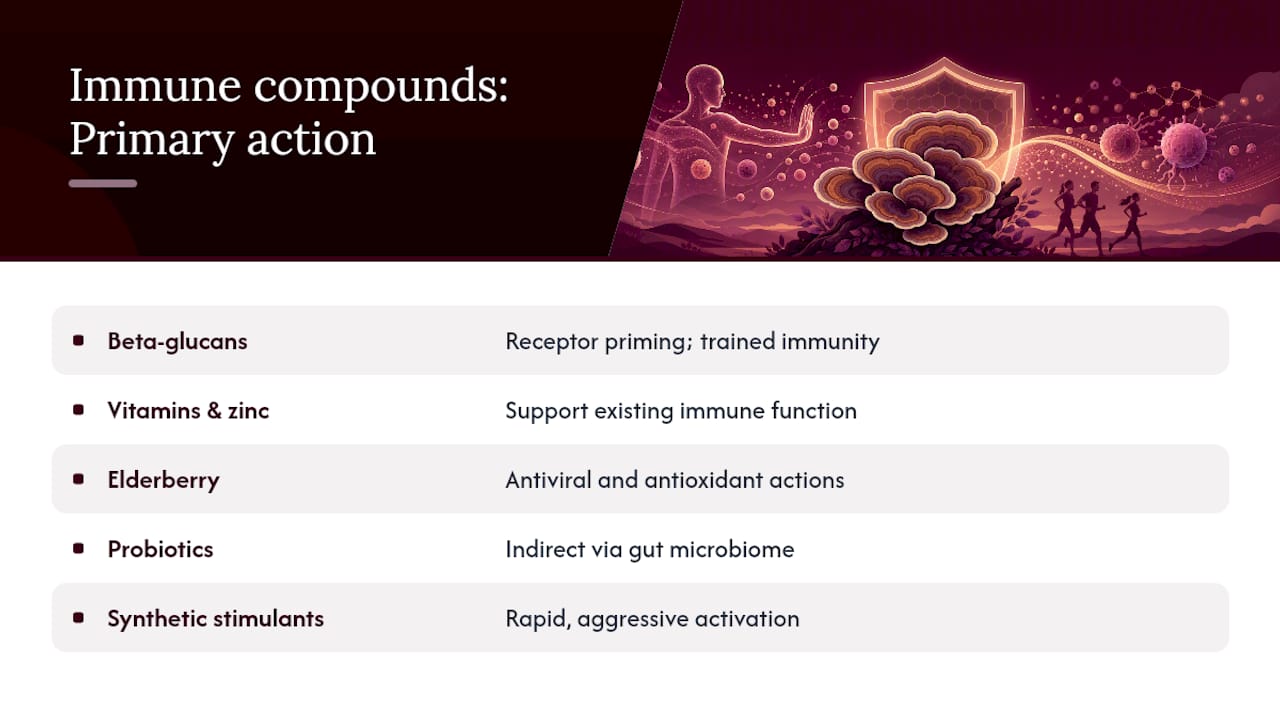
Beta-glucans aren’t the only immunomodulatory compound on the supplement shelf, and knowing how they differ helps you set realistic expectations. Vitamin C and zinc work mainly by supporting existing immune cell function and enzymatic processes your body already runs, essentially keeping the machinery well-fueled. Beta-glucans work differently: they actively engage pattern-recognition receptors like Dectin-1 to prime innate immune cells before a threat even shows up.
Elderberry extract, a popular seasonal immune product, works largely through antiviral and antioxidant mechanisms rather than receptor-based immune priming. Probiotics influence immunity indirectly, through gut microbiome modulation that shapes systemic inflammation over weeks. Beta-glucans sit closer to a “training” model, conditioning innate immune cells to respond faster, a concept researchers call trained immunity.
Compared to synthetic immunostimulants used in some clinical settings, oral fungal beta-glucans work more gradually and gently, without the aggressive activation profile that can come with pharmaceutical-grade immune agents. That’s part of why they’ve found a home in adjunctive cancer care in Japan and China: they support immune parameters without overwhelming an already-stressed system during chemotherapy.
For someone building a daily wellness routine rather than managing an acute illness, this distinction is useful. Beta-glucans function more as a long-term conditioning input than a rescue remedy you reach for once symptoms appear. Pairing them with basics like adequate vitamin D and sleep tends to matter more for immune resilience than any single compound working in isolation.
Beyond Immunity: Metabolic and Cardiovascular Signals
Immune modulation gets most of the attention, but fungal beta-glucans show secondary effects worth knowing about. Preclinical research has documented antioxidant activity from mushroom polysaccharides, meaning they help neutralize oxidative stress at the cellular level, a process tied to both aging and cardiovascular strain over time.
Some animal and in vitro studies referenced in broader fungal beta-glucan reviews point toward metabolic effects, including influence on lipid handling and blood sugar regulation in preclinical models. These findings are encouraging but preliminary. They come primarily from animal studies and cell cultures, not large human trials, so it would be inaccurate to call this a proven cardiovascular benefit for people.
The connective thread is inflammation. Chronic low-grade inflammation is a known driver of both metabolic dysfunction and cardiovascular strain. If fungal beta-glucans genuinely help modulate that inflammatory baseline, as their mechanism suggests, secondary metabolic benefits become plausible even without a direct causal mechanism proven in humans yet.
Reishi, in particular, has the most preclinical attention for these secondary effects among the medicinal mushrooms covered here, likely because it’s been used in traditional practice longer than Turkey Tail or Lion’s Mane for general vitality support. If you’re taking a mushroom extract specifically hoping for cardiovascular or metabolic benefits, treat that as a bonus possibility riding alongside the immune mechanism, not the primary reason to buy the product. The immune evidence is where the clinical weight currently sits.
Bioavailability: Why the Same Dose Doesn’t Work the Same Way Twice
Here’s something that rarely gets explained clearly: how much beta-glucan you swallow and how much your body actually uses are two very different numbers. Oral bioavailability of fungal beta-glucans varies significantly based on extraction method, molecular weight, and individual gut physiology.
Some pilot studies have found minimal detectable beta-glucan in serum after oral dosing, depending entirely on the product’s formulation, which is a finding documented in research on fungal beta-glucan delivery. Intravenous pharmaceutical-grade beta-glucans, used in some clinical and research settings, produce stronger and more consistent effects than oral supplements, because they bypass digestion entirely.
That doesn’t mean oral supplements don’t work. It means the pharmacokinetics are messier than a capsule label suggests. Beta-glucans are large polysaccharide molecules, and your gut has to break them down partially before immune cells in the gut-associated lymphoid tissue can even encounter them. Solubility plays a direct role here: more soluble extracts tend to interact with receptors more readily than dense, poorly processed powders.
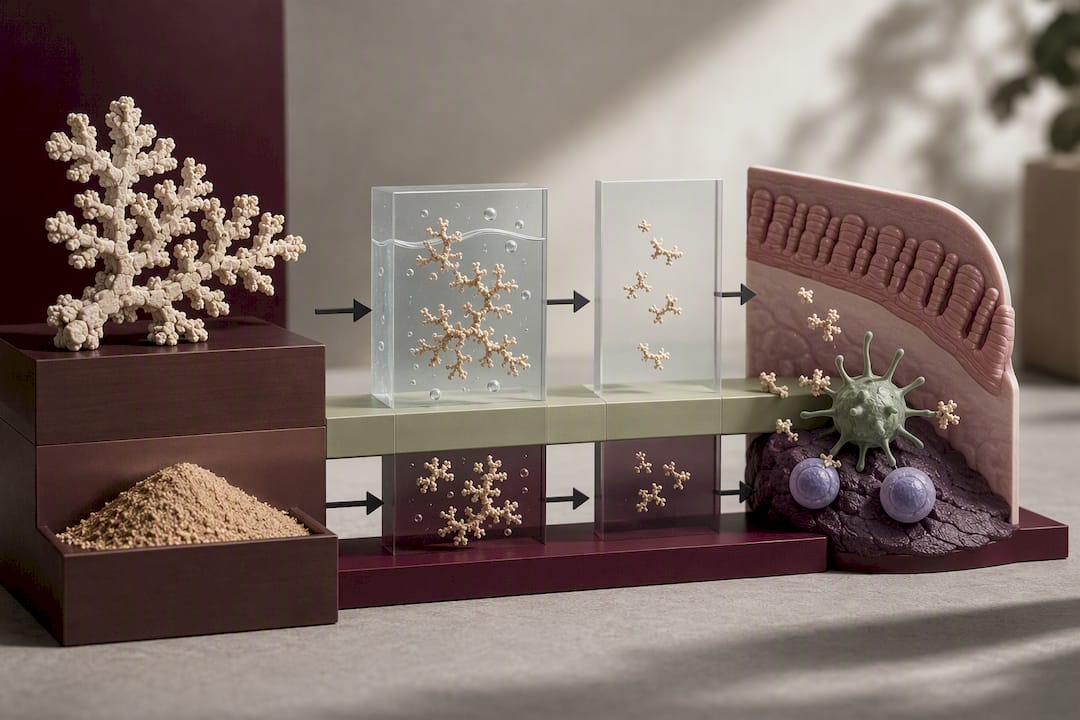
This is exactly why extraction method belongs on your checklist. A water-extracted product, ideally processed to preserve the (1→3)/(1→6) branching structure, is more likely to deliver bioactive material to receptor sites than a raw powdered mushroom capsule. If you’ve ever wondered why two products with identical “1,000 mg” labels seem to work differently, formulation quality and resulting bioavailability are almost always the answer.
Regulatory Status: What Claims Are Actually Allowed
In the United States, mushroom beta-glucan supplements are regulated as dietary supplements under the FDA’s framework, not as drugs. That distinction matters enormously for what a label can legally say. Manufacturers cannot claim their product treats, cures, or prevents any disease, including cancer, even though the clinical adjuvant data for PSK/PSP from Turkey Tail is genuinely strong in specific medical contexts.
What companies can legally state are structure/function claims, general statements like “supports immune health” or “supports cellular energy,” provided they don’t cross into disease-treatment territory. This is why you’ll see careful, measured language on reputable supplement sites rather than bold medical promises. It’s not evasiveness; it’s the actual legal boundary.
This regulatory gap creates real confusion for consumers. The strongest clinical evidence for beta-glucans exists in pharmaceutical and adjuvant oncology contexts abroad, particularly in Japan, where PSK has had regulatory approval as an adjunct cancer therapy for decades. That approval status doesn’t transfer to a supplement bottle sold in a wellness store here. A product can contain the same molecule studied in those trials while being legally prohibited from referencing that specific clinical history as a marketing claim.
The practical takeaway: if a supplement label makes a specific disease claim, that’s a red flag, not a selling point. Legitimate companies stick to structure/function language and let the mechanistic and clinical research speak for itself through education, not label promises.
What CP-1 Brings to This Conversation
This supplement is designed around the idea that cellular energy and immune resilience are interconnected. It combines NMN with lion’s mane, reishi, and turkey tail extracts alongside CoQ10, based on receptor biology and NAD+ mechanisms covered throughout this piece.
If you want to go deeper into any single piece of this puzzle, we’ve written dedicated breakdowns on turkey tail mushroom benefits and Lion’s Mane and NGF activity that go further into the species-specific mechanisms than this overview allows. We’ll keep adding to that library as more clinical research on these compounds becomes available.
A Combined Approach Worth Considering
Everything covered here points to one practical conclusion: immune support and cellular energy aren’t separate problems requiring separate cabinets full of supplements. The NAD+ Advanced Supplement combines NMN with lion’s mane, reishi, and turkey tail extracts, plus CoQ10, in a single chewable gummy reflecting this combined approach.
The formula uses NMN because it is a precursor converted to NAD+ inside cells, rather than oral NAD+, which breaks down in the gut before absorption. This same absorption logic applies to evaluating mushroom extracts: what matters is bioavailability, not just label claims.
If the mechanisms in this article, Dectin-1 activation, NAD+ decline, mitochondrial energy support, resonated with what you’re trying to solve, take a look at the CP-1 NAD+ Advanced Supplement collection and see whether a combined formula fits where your routine currently has gaps.
Sources
If you’re wondering whether food alone can get you there, the honest answer is: partially, and inconsistently. Fungal beta-glucans exist in edible mushrooms most people already cook with, though concentrations vary enormously by species and preparation.
Common culinary mushrooms like shiitake, mistake, and oyster mushrooms contain beta-glucans, but at meaningfully lower concentrations than the specialized species used in supplements, and cooking methods affect how much survives. Turkey Tail, Reishi, and Lion’s Mane are far less commonly eaten as food; Reishi in particular is woody and bitter, which is why it’s almost always consumed as an extract or tea rather than sautéed.
For someone wanting beta glucans for gut health and general immune support through diet, the practical approach looks like this: incorporate culinary mushrooms regularly into meals for a general polysaccharide contribution, and treat standardized extracts of Turkey Tail, Reishi, or Lion’s Mane as the more concentrated, dose-controlled route to meaningful intake. Food-based intake is a reasonable baseline habit, but it won’t replicate the beta-glucan concentrations used in the clinical studies discussed earlier in this piece. If your goal is specifically immune modulation or the cognitive signals tied to Lion’s Mane, an extract standardized for beta-glucan content will get you there far more reliably than diet alone.
- Dectin-1 Mediates the Biological Effects of β-Glucans (J Exp Med)
- Prevention of Early Alzheimer’s Disease by Erinacine A‑Enriched Hericium erinaceus Mycelia Pilot Study (Frontiers)
FAQ
What Are Beta Glucans Good For?
Fungal beta-glucans primarily support innate immune function by binding receptors like Dectin-1 and triggering cytokine responses. Evidence also points to species-specific benefits, including immune support from Turkey Tail and cognitive signals from Lion’s Mane, though most robust human data comes from adjuvant clinical settings rather than general wellness use.
How Do Beta Glucans Work in the Body?
Beta-glucans bind pattern-recognition receptors, mainly Dectin-1, along with CR3 and TLR-2, on immune cells like macrophages and dendritic cells. This binding activates Syk and NF-κB signaling, which triggers cytokine production and primes your innate immune response.
What Is the Right Beta Glucan Dosage?
Dosing varies by mushroom species and study design; Turkey Tail adjuvant trials have used gram-level daily doses, while Reishi and Lion’s Mane studies commonly use hundreds of milligrams to a few grams daily. Always check a product’s standardized beta-glucan percentage rather than total weight, since that number reflects actual bioactive content.
Can Beta Glucans Support Gut Health?
Beta-glucans interact with gut-associated lymphoid tissue during digestion, which is part of how they influence systemic immune signaling, though direct human research specifically on gut health outcomes remains limited. Culinary mushrooms and standardized extracts both contribute polysaccharides, but concentration and bioavailability vary widely by preparation.
Does CP-1 Contain Beta Glucan Mushrooms?
Yes, the CP-1 NAD+ Advanced Supplement includes lion’s mane, reishi, and turkey tail mushroom extracts alongside NMN and CoQ10. Current pricing is available directly on the CP-1 website.