Turkey tail mushroom (Trametes versicolor) has exploded in popularity, but so have the exaggerated claims surrounding it. Walk into any supplement store and you’ll see turkey tail positioned as everything from an immune booster to a cognitive enhancer to a cancer cure. Most of that marketing is getting way ahead of the science. If you’re someone who actually wants to know what the research supports, this guide cuts through the noise and lays out the real evidence, the honest limitations, and the practical guidance you need to make a smart choice.
Table of Contents
- Understanding turkey tail mushroom: What sets it apart?
- Immune resilience: The most established benefit
- Cognitive enhancement: What the research shows so far
- Turkey tail vs. other mushrooms: A comparison for smart supplement choices
- Safety and edge cases: Who should approach turkey tail with caution?
- A nuanced take: What most wellness guides miss about turkey tail
- Find your trusted source for turkey tail mushroom supplements
- Frequently asked questions
Key Takeaways
| Point | Details |
|---|---|
| Immune resilience | Turkey tail mushroom offers strong evidence for improving immune system function. |
| Emerging cognitive claims | Cognitive enhancement is still unproven and should be considered with caution. |
| Supplement type matters | PSK/PSP extracts are not interchangeable with regular turkey tail supplements. |
| Safety for edge cases | Consult a clinician if you have an autoimmune condition or take immunosuppressants. |
| Choose reputable sources | For maximal benefit, select standardized turkey tail mushroom supplements from trusted providers. |
Understanding turkey tail mushroom: What sets it apart?
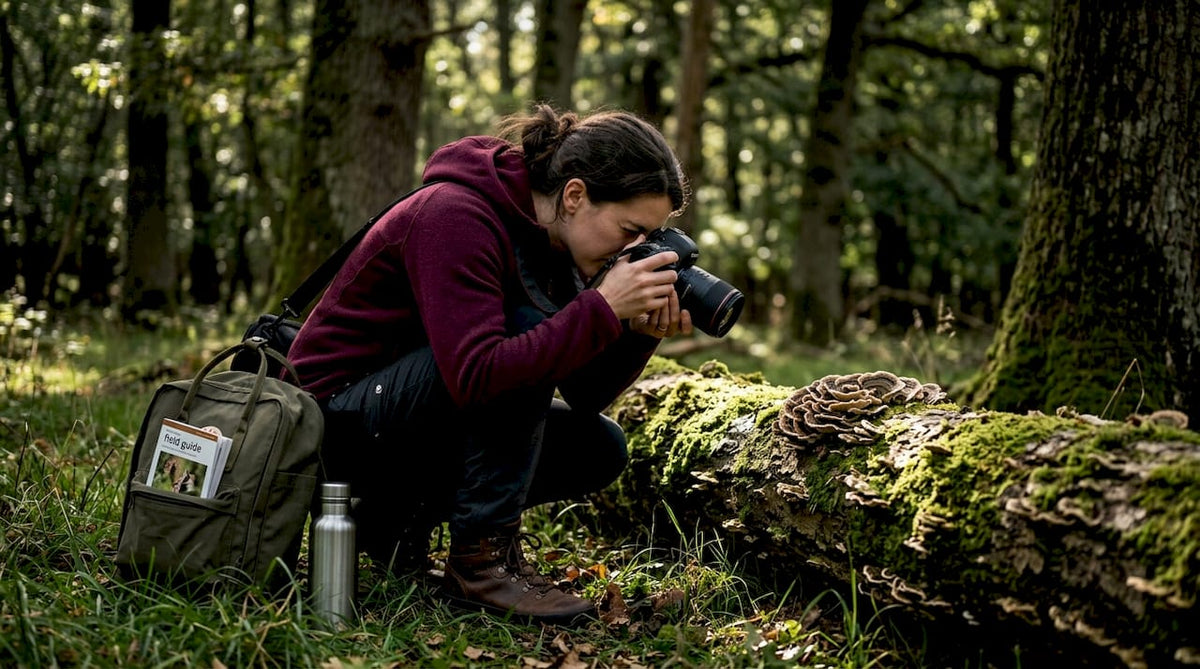
Turkey tail is a bracket fungus that grows on dead logs across forests worldwide. Its fan-shaped, multicolored rings resemble the tail feathers of a wild turkey, which explains the name. Traditional Chinese medicine has used it for centuries under the name “Yun Zhi,” primarily for immune support and general vitality.
What actually makes turkey tail interesting from a science perspective is its two key bioactive compounds: polysaccharide-K (PSK) and polysaccharide-P (PSP). These are beta-glucan-rich polysaccharides, which are complex carbohydrate molecules that interact with your immune receptors. PSK, also known as Krestin, is actually approved in Japan as an adjunct therapy in cancer treatment. That’s a meaningful distinction. Most mushroom supplements you buy online are nowhere near that level of clinical application.
Here’s where things get tricky. When you see studies citing impressive results from turkey tail, they’re often using highly purified PSK or PSP extracts that PSK/PSP studies don’t always represent in terms of typical supplement effects. In other words, the extract used in a clinical trial is not the same thing as the turkey tail powder in a capsule you order online.
Understanding mushroom extract evidence is critical before you spend money on any functional mushroom product. Extracts with standardized beta-glucan levels consistently outperform raw, unstandardized whole-mushroom powders.
Key things to look for when evaluating turkey tail supplements:
- Beta-glucan percentage listed on the label (look for 20% or higher)
- Hot water extraction method indicated, which frees the polysaccharides properly
- Third-party testing for heavy metals and microbial contamination
- Fruiting body vs. mycelium on grain (fruiting body contains higher active compound density)
- Non-GMO and vegan certification for additional quality assurance
Pro Tip: If a turkey tail supplement lists “mycelium on grain” as the source, that product may contain a high percentage of starchy grain filler and relatively little actual mushroom. Always look for fruiting body sourcing with stated beta-glucan content.
With a better understanding of what makes turkey tail unique, let’s explore its science-backed benefits.
Immune resilience: The most established benefit
Immune support is where turkey tail’s evidence is strongest. The research here isn’t just preliminary cell studies, which is what most supplement claims rely on. There are human clinical trials, particularly involving cancer patients receiving chemotherapy, that show meaningful immune-modulating effects when PSK was added to their protocol.
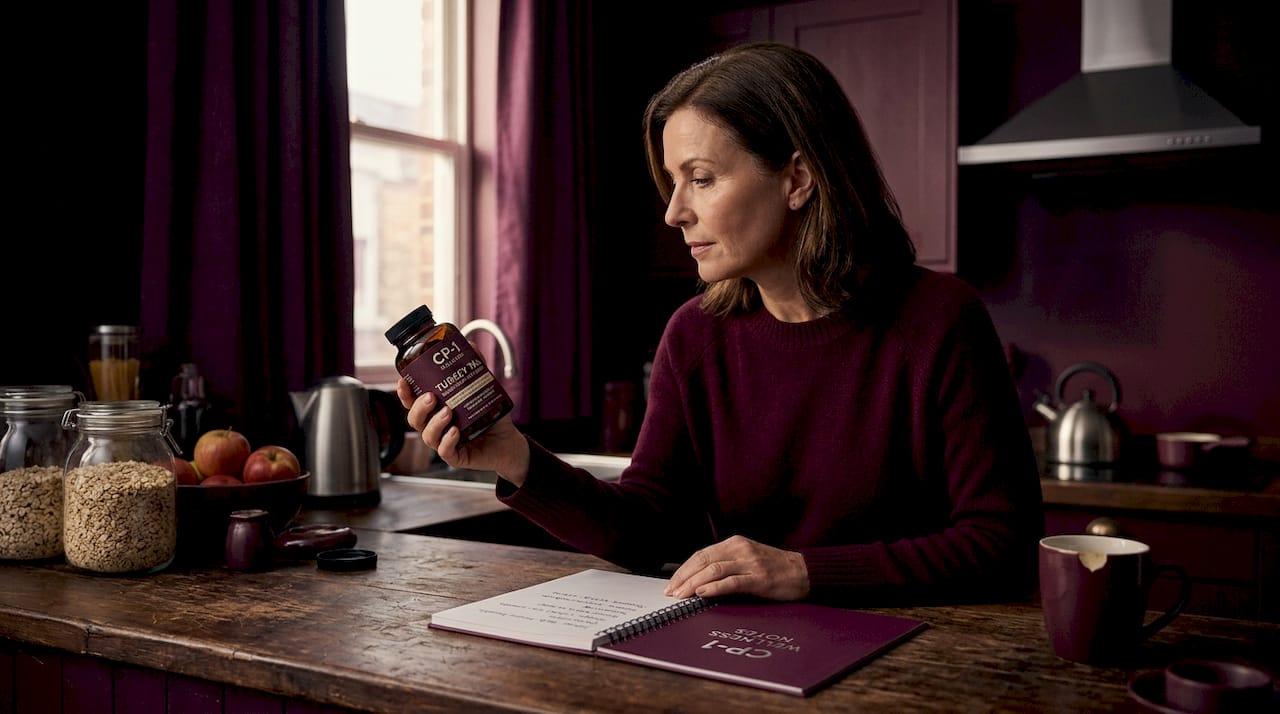
The mechanism is well-understood: turkey tail’s beta-glucans bind to immune receptors called Dectin-1 and TLR-2 on immune cells, activating natural killer cells, T-cells, and macrophages. This primes your immune system for a more robust response without overstimulating it, which matters for everyday immune resilience, not just clinical settings.
One underappreciated pathway is the gut-immune connection. A significant portion of your immune system, roughly 70%, is housed in your gut-associated lymphoid tissue (GALT). Turkey tail functions as a prebiotic, feeding beneficial bacteria like Lactobacillus and Bifidobacterium, which in turn strengthens gut-immune signaling. This dual action, direct immune modulation plus gut microbiome support, is part of why turkey tail stands out from many other botanicals.
According to a 2026 clinical review, the best-evidenced wellness use of turkey tail mushroom is immune resilience and gut-immune support, with stronger data than most other functional mushrooms currently on the market.
Who benefits most from this:
- Individuals with frequent colds or infections who want natural immune support
- People recovering from intense training or high-stress periods, when immune function often dips
- Those interested in gut microbiome optimization, looking beyond standard probiotics
- Anyone seeking adjunctive wellness support to complement a balanced lifestyle
Exploring the broader landscape of functional mushroom benefits helps contextualize how turkey tail fits alongside other evidence-backed options like lion’s mane and reishi.
While immune support is the most validated benefit, cognitive enhancement is gaining attention because of emerging research.
Cognitive enhancement: What the research shows so far
Here’s where you need to pump the brakes a little. Turkey tail doesn’t directly affect the brain the way lion’s mane does through nerve growth factor (NGF) stimulation. The cognitive angle for turkey tail is more indirect and considerably less established.
The hypothesis is that reduced systemic inflammation and a healthier gut microbiome both contribute to better cognitive function over time. The gut-brain axis is real and well-documented. If turkey tail improves gut health and reduces inflammatory load, there may be downstream cognitive benefits. But that chain of causation is long, and translating animal or mechanistic data into “turkey tail improves your focus” is a marketing leap.
Some users do report better mental clarity when taking turkey tail, and that’s worth acknowledging. But cognitive enhancement claims should be treated as emerging and not as proven outcomes. The honest answer is we don’t have rigorous human trials specifically measuring cognitive endpoints with turkey tail supplementation yet.
Common cognitive claims you’ll see marketed:
- Improved memory and recall
- Reduced brain fog
- Better mood stability
- Enhanced mental energy
What the science actually supports, currently:
- Indirect cognitive support through gut-brain axis (plausible but not yet proven in human trials)
- Reduced neuroinflammation in preclinical models (animal studies)
- Possible mood benefits through microbiome optimization (emerging)
If cognitive enhancement is your primary goal, exploring supplements specifically designed for cognition gives you a clearer picture of which compounds have stronger direct evidence, like lion’s mane with its NGF support or NMN for mitochondrial energy. Understanding how supplements interact with wellness and cognitive performance helps you build a stack that’s actually designed for results, not just marketing copy.
Pro Tip: If a turkey tail product leads with cognitive benefits on its label, that’s a yellow flag. It suggests the brand is stretching the science. The strongest reason to use turkey tail is immune resilience. Everything else is secondary.
Turkey tail vs. other mushrooms: A comparison for smart supplement choices
Not all functional mushrooms do the same thing. Each species has a different primary compound profile and a different evidence base. Choosing the right mushroom means matching the benefit you’re targeting with the species that has the strongest data for that specific outcome.
| Mushroom | Primary benefit | Evidence strength | Key compounds |
|---|---|---|---|
| Turkey tail | Immune resilience, gut support | Strong (human trials) | PSK, PSP, beta-glucans |
| Lion’s mane | Cognitive function, NGF support | Moderate (early human data) | Hericenones, erinacines |
| Reishi | Stress adaptation, sleep quality | Moderate | Triterpenoids, polysaccharides |
| Chaga | Antioxidant, general wellness | Limited (mostly preclinical) | Betulinic acid, melanin |
| Cordyceps | Physical endurance, energy | Moderate (athlete studies) | Cordycepin, adenosine |
As turkey tail is best-evidenced for immune support while other mushrooms excel in different domains, combining them in a synergistic formula makes practical sense for those who want broader coverage.
When turkey tail is your best choice:
- You want gut-immune support with the most clinical backing behind it
- You’re complementing a wellness protocol during high-stress or recovery periods
- You’re looking for prebiotic benefits alongside immune modulation
- You want a well-tolerated, low-risk option with decades of use data
Possible drawbacks to keep in mind:
- Not ideal as a standalone cognitive supplement
- Cognitive effects are indirect and slow-acting
- Quality varies enormously between products
- Unstandardized products may deliver minimal active compounds
Safety and edge cases: Who should approach turkey tail with caution?
Turkey tail is genuinely well-tolerated for most healthy adults. That’s one of the things that makes it practical for long-term use. But “generally safe” doesn’t mean “safe for everyone,” and the supplement industry glosses over this far too often.
The primary concern is immune modulation. Because turkey tail actively influences immune system activity, there are specific groups who should talk to a clinician before starting it. For anyone with autoimmune conditions, taking an immune-stimulating supplement without medical oversight is a real risk. You don’t want to potentially amplify an already overactive immune response.
Key risk groups:
- Autoimmune disease patients (rheumatoid arthritis, lupus, MS, etc.): risk of exacerbating immune activity
- Individuals on immunosuppressant medications: potential for drug-supplement interactions
- Pregnant or breastfeeding individuals: insufficient safety data for this population
- Pre-surgery patients: immune-modulating supplements should generally be paused two weeks before any surgical procedure
- Active cancer patients on treatment: always consult your oncologist before adding any supplement
The evidence is clear that for edge cases like these, consulting a clinician if you have autoimmune disease or are pregnant or taking immunosuppressants is non-negotiable, not optional.
| Risk group | Primary concern | Recommended action |
|---|---|---|
| Autoimmune disease | Immune stimulation risk | Consult rheumatologist/physician |
| Immunosuppressant users | Drug-supplement interaction | Consult prescribing doctor |
| Pregnant/breastfeeding | Insufficient safety data | Avoid until cleared by OB |
| Pre-surgery | Anticoagulant/immune effects | Pause 2 weeks prior |
| Allergy-prone individuals | Possible fungal allergy | Start low dose, monitor response |
Having covered both the benefits and risks, let’s examine a fresh perspective on how to approach turkey tail mushroom supplementation.
A nuanced take: What most wellness guides miss about turkey tail
Most articles about turkey tail mushroom do two things wrong. They either oversell it by citing the strongest clinical PSK data as if it applies to every product on the market, or they write it off as overhyped. Neither is accurate, and both leave you worse off than before you started reading.
Here’s what I’ve come to understand after formulating CP-1 with turkey tail extract as a core ingredient: the quality gap in this category is enormous. Not all turkey tail supplements are standardized, and the effects between a properly extracted, beta-glucan-standardized product and a cheap whole mushroom powder can be night and day. You’re not really comparing the same thing.
The second thing most guides miss is expectation management. Turkey tail is not a stimulant. You will not feel it the way you feel caffeine or even some adaptogenic herbs. Its benefits build over weeks, primarily through immune regulation and microbiome shifts. If you’re evaluating it after one week and looking for a buzz, you’re using the wrong metric entirely.
What experienced users and well-informed clinicians actually recommend:
- Commit to at least 8 to 12 weeks before evaluating results
- Use it as part of a broader wellness protocol, not as a single-ingredient magic fix
- Track markers that matter: frequency of illness, energy consistency, digestive comfort
- Prioritize standardized extracts over raw mushroom powder every time
- Combine it with other synergistic compounds for amplified effect (lion’s mane for cognition, NMN for cellular energy)
The biggest mistake I see is people buying the cheapest turkey tail powder on a major retail platform and then concluding the mushroom doesn’t work. That’s like buying the most diluted, poorly extracted version of anything and expecting pharmaceutical results. The mushroom works. The garbage supplement doesn’t.
Exploring a deep-dive into mushroom science will reinforce what I’m saying here: extraction method and standardization are the real dividing line between products that produce results and products that are essentially expensive filler.
Find your trusted source for turkey tail mushroom supplements
If this article has done its job, you now have a clearer picture of what turkey tail genuinely delivers and what questions to ask before buying any supplement. The evidence for immune resilience is real. The cognitive benefits are emerging. And the quality of the product you choose determines whether any of that evidence actually applies to what you’re taking.
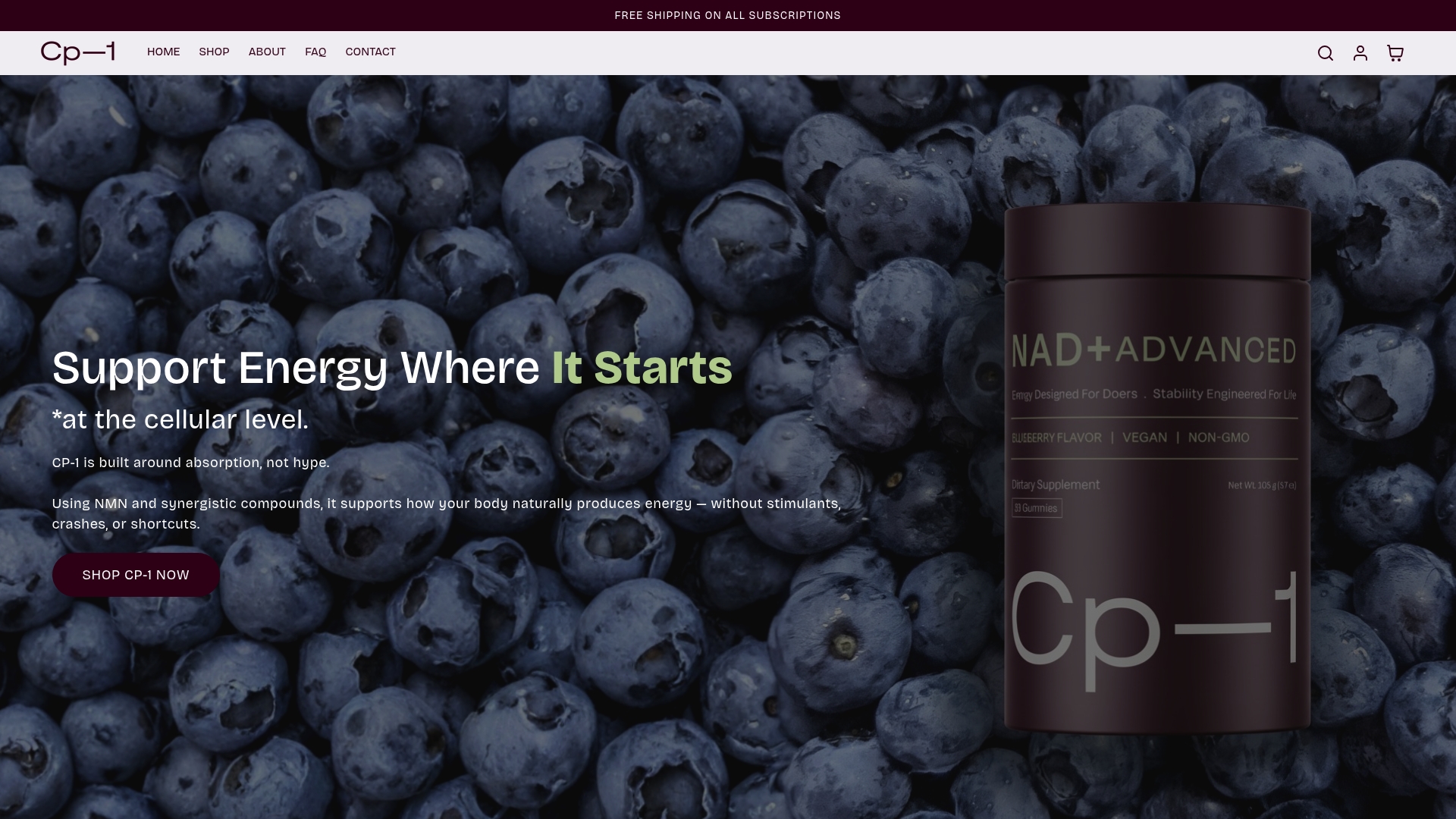
At CP-1, we formulate with turkey tail mushroom extract alongside lion’s mane, reishi, NMN, and CoQ10 because we believe in synergistic, evidence-aligned formulas built for real results, not marketing decks. Every batch is third-party tested, vegan, non-GMO, and manufactured in the US to strict quality standards. If you’re ready to take immune resilience and overall wellness seriously, explore turkey tail supplements that are actually built to deliver on the science.
Frequently asked questions
Is turkey tail mushroom safe for daily use?
For most healthy adults, turkey tail is well-tolerated when used as directed. However, you should consult a clinician if you have autoimmune conditions, are pregnant, or take immunosuppressants before starting daily use.
Does turkey tail mushroom really boost immunity?
Yes, with caveats. Turkey tail mushroom is the best-evidenced functional mushroom for immune resilience and gut-immune support, especially when using a properly extracted, standardized product.
How do PSK and PSP extracts differ from whole turkey tail supplements?
PSK and PSP are concentrated bioactive extracts with clinical trial data behind them, while whole turkey tail powder may contain different compound levels. Because PSK/PSP studies don’t always represent typical supplement outcomes, always look for standardized extract products.
Can turkey tail mushroom help with cognitive function?
Current evidence is promising but far from conclusive. Cognitive enhancement claims should be treated as emerging, not proven, and immune resilience remains the far more established use case.
Are there any groups who should avoid turkey tail mushroom?
Yes. Individuals with autoimmune disease, those taking immunosuppressants, and pregnant or breastfeeding people should always consult their clinician first, as autoimmune and pregnancy risks are real and documented safety considerations.