
Lion’s mane mushroom stimulates nerve growth factor (NGF) synthesis in cell and animal studies, with mycelial and fruiting body extracts driving measurable increases in NGF gene expression and neurite outgrowth. Human clinical evidence remains thin: a handful of small trials suggest cognitive benefits, but none have directly confirmed NGF elevation in living people. The PMC narrative review and a mouse hippocampus study anchor most of what we actually know. Everything below breaks down the mechanisms, the dosing, and what to look for on a label before you trust a claim.
TL;DR:
- Erinacines in lion’s mane are more likely to cross the blood-brain barrier and induce NGF production in the brain than hericenones found in the fruiting body.
- Mouse studies show that just seven days of a 5% hericium erganius diet can increase hippocampal NGF messenger RNA, but human effects remain unproven.
- Extracts that use ethanol or dual water and alcohol methods are more effective at capturing the terpenoids linked to NGF stimulation than simple water extracts.
- Human trials are limited by small sample sizes, variable doses, and lack of direct NGF measurement, making evidence of actual nerve growth in people inconclusive.
- Supplement labels should specify mushroom part, extraction method, and standardized compound percentages, as these factors determine if a product aligns with research findings.
Table of Contents
- How Lion’s Mane NGF Stimulation Works at the Molecular Level
- Hericenones vs. Erinacines: Why Mushroom Part and Extraction Method Matter
- What Preclinical Studies Actually Found
- Do Human Trials Confirm the Same Effect?
- How to Read a Lion’s Mane Label Against the Actual Research
- Is Lion’s Mane Safe? Side Effects and Who Should Be Cautious
- What the Evidence Actually Supports
- Where CP-1 Fits Your Evidence Checklist
- Sources
- FAQ
How Lion’s Mane NGF Stimulation Works at the Molecular Level
NGF is a protein your neurons need to survive, grow, and maintain connections. It supports cholinergic neurons (the ones that use acetylcholine, a chemical messenger tied to memory and learning) and plays a role in hippocampal neurogenesis, the process of forming new neurons in the brain region responsible for memory consolidation. Without adequate NGF signaling, neurons are more vulnerable to age-related decline and injury. That’s the biological stake here, and it’s why researchers keep circling back to lion’s mane.
Here’s where it gets interesting: NGF doesn’t just show up in your brain because you want it to. Its production is gated by specific molecular switches, and lion’s mane compounds appear to flip some of them.
How the signaling cascade appears to work:
- Certain compounds in Hericium erinaceus activate the JNK pathway (c-Jun N-terminal kinase, a stress-response signaling route inside cells).
- JNK activation leads to phosphorylation events that switch on transcription factors like c-Jun and c-Fos.
- Those transcription factors bind to the NGF gene promoter, ramping up NGF messenger RNA (mRNA) production.
- More mRNA means more NGF protein synthesized and released.
That’s the proposed chain from mushroom compound to functional NGF increase. A narrative review published in PMC synthesizes this pathway across multiple animal and cell studies, and it specifically calls out erinacines (a class of compounds found mainly in the mycelium) as the standout candidates for crossing the blood brain barrier, the selective membrane that keeps most large molecules out of the central nervous system.
That BBB penetration detail matters more than it might seem at first glance. NGF itself is a large protein that cannot cross the blood brain barrier efficiently when taken orally or injected peripherally, which is exactly why direct NGF supplementation has never worked as a therapy despite decades of trying. If erinacines can get past that barrier and trigger the brain’s own cells to manufacture NGF locally, that sidesteps the delivery problem entirely. It’s an indirect route to a direct outcome.
Statistic to know: in mouse feeding studies, a diet containing 5% Hericium erinaceus fruiting body dry powder for just seven days produced a measurable increase in hippocampal NGF mRNA expression. Seven days is a short window for a gene expression change to show up, which tells you the effect isn’t subtle when it happens.
None of this proves the same cascade fires identically in a human hippocampus after a person swallows a supplement. Mouse dietary percentages and human oral doses aren’t interchangeable math. But the mechanistic story is coherent, replicated across multiple labs, and grounded in specific molecular targets rather than vague “supports brain health” language you see slapped on half the products in this category.
Hericenones vs. Erinacines: Why Mushroom Part and Extraction Method Matter
Not every lion’s mane product delivers the same compounds, and that’s the single most misunderstood fact in this entire category. Two distinct chemical families drive the NGF story, and they come from different parts of the mushroom.
Hericenones are phenolic terpenoids (aromatic compounds with a fat-soluble terpenoid backbone) found primarily in the fruiting body, the visible, shaggy white mushroom cap you’d recognize on a shelf. Erinacines are sesquiterpenoids concentrated in the mycelium, the root-like fungal network that grows underground or through a growth substrate before the mushroom fruits. A neurotrophic and neuroprotective review catalogs multiple erinacines (labeled A through F) and hericenones (C through H) that have each shown NGF-stimulating activity in cell assays.
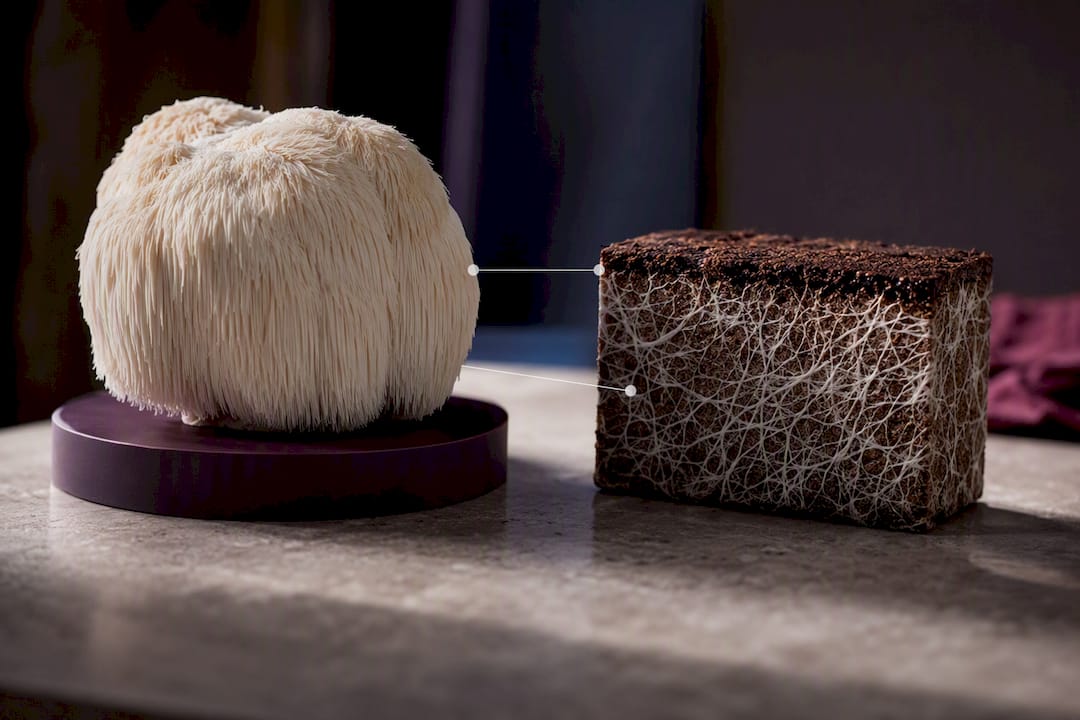
Here’s the practical wrinkle: erinacines appear to be the stronger candidates for crossing the blood-brain barrier and driving central nervous system NGF induction, based on the mechanistic review above. Hericenones contribute too, but the BBB penetration data leans toward erinacines specifically. That means a product made purely from fruiting body material may be missing the mycelial compounds most implicated in getting past the barrier that actually separates your bloodstream from your brain.
Extraction method compounds this further. Water (aqueous) extraction pulls out polysaccharides and some water-soluble compounds efficiently, but terpenoids like erinacines and hericenones are lipophilic (fat-loving) molecules that don’t dissolve well in water alone. Ethanol extraction, or a dual water-and-alcohol process, recovers those lipophilic terpenoids far more effectively. This distinction isn’t sourced from any single trial. It’s a basic principle of extraction chemistry, and it shows up consistently in how researchers describe their extract preparation methods.
What this means for reading a label:
- A product listing only “fruiting body” may lean toward hericenone content and lighter on erinacines.
- A product listing “mycelium” or “mycelial biomass” is more likely to carry erinacines, assuming proper extraction.
- “Dual-extract” or “water and alcohol extract” on a label suggests an attempt to capture both polysaccharides and terpenoids.
- Standardized erinacine or hericenone percentages (rare, but they exist) are the strongest signal of a formulation actually designed around the NGF mechanism.
Pro Tip: If a label doesn’t specify mushroom part or extraction solvent, assume you’re getting whatever was cheapest to process, not necessarily what the neurotrophic research actually studied.
What Preclinical Studies Actually Found
Two experiments carry most of the weight in this field, and they’re worth walking through in detail because the numbers matter more than the summary.
The first is a 2013 in vitro study using NG108-15 cells, a hybrid neuroblastoma-glioma cell line commonly used to model neurite growth. Researchers combined 1 µg/mL of aqueous Hericium erinaceus extract with 10 ng/mL of exogenous NGF (NGF added directly to the culture, not produced by the cells themselves). That combination produced a 60.6% increase in neurite outgrowth compared to controls.
That’s a striking number, and it’s worth being precise about what it does and doesn’t show. The extract wasn’t tested alone against a no-NGF control in that specific comparison. It was tested as a potentiator, something that made the NGF already present in the dish work harder. This is a synergy finding, not proof that lion’s mane manufactures neurite growth from nothing. It tells you the mushroom’s compounds interact meaningfully with the NGF pathway at the cellular level, which is exactly the kind of foundational signal that justifies further research.
The second key study moved into live animals. Mice fed a diet containing 5% Hericium erinaceus fruiting body dry powder for seven days showed increased NGF mRNA expression in the hippocampus. That’s gene transcription, the step where the cell reads the NGF gene and starts building the mRNA blueprint for the protein. It’s upstream of actually having more functional NGF protein circulating and doing work in neural tissue, though the two are closely linked in most cellular models.
Where the animal evidence gets more ambitious: a broader review of Hericium erinaceus mycelium in Alzheimer’s disease mouse models found that oral administration over several weeks shifted the ratio of mature NGF to proNGF (an immature precursor form) and reduced amyloid plaque burden, the toxic protein clumps associated with Alzheimer’s pathology.
The gap you need to hold onto:
- Inducing NGF gene expression in a mouse hippocampus is not the same as reversing memory loss in a human patient.
- Cell culture concentrations (µg/mL) don’t scale linearly to oral human doses. Nobody has solved that conversion math cleanly yet.
- Behavioral improvement in a transgenic Alzheimer’s mouse model doesn’t guarantee an equivalent effect in a healthy or aging human brain.
The preclinical case for lion’s mane and NGF for nerve growth is genuinely strong by lab-science standards. It’s replicated, mechanistically explained, and measured with real numbers instead of vague testimonials. It’s just not the same thing as a finished human answer.
Do Human Trials Confirm the Same Effect?
Human trials tell a much more modest story than the lab data, and being honest about that gap is the whole point of writing this article instead of a marketing page.
Clinical work on lion’s mane and cognition has used a range of formats and doses. Some trials gave participants 250 mg tablets three times daily for 16 weeks. Others used roughly 2 grams per day mixed into food over a four-week period. Review articles synthesizing this literature note that dosing and duration vary considerably from one trial to the next, which makes cross-study comparison genuinely difficult.
What these trials measured also varies. Some used cognitive screening scales designed to catch mild impairment. Others tracked self-reported mood or anxiety scores. None of the human trials to date have measured NGF concentration directly in cerebrospinal fluid or blood plasma as a primary outcome, largely because that kind of sampling is invasive and expensive to justify in a small pilot study. So when a headline claims lion’s mane “boosts NGF in humans,” it’s extrapolating from the mechanism, not citing a trial that measured NGF in a person’s brain.
The methodological problems stacking up across this evidence base:
- Sample sizes tend to run small, often a few dozen participants per arm, which limits statistical power to detect anything but a large effect.
- Trial durations cluster in the range of four to sixteen weeks, too short to assess whether benefits persist or fade.
- Extracts used across studies aren’t standardized. One trial’s “lion’s mane” may differ meaningfully in erinacine or hericenone content from another’s.
- Outcome measures shift between studies, so a positive mood finding in one trial can’t be stacked on top of a cognitive-scale finding in another as if they measured the same thing.
None of that makes the existing human data worthless. It makes it preliminary, which is a different category. The reasonable read, echoed by research groups like the Alzheimer’s Drug Discovery Foundation in their researcher-facing review, is cautious optimism grounded in a compelling mechanism rather than confirmed clinical efficacy.
What actual clinical validation would require:
- Standardized extracts with reported erinacine and hericenone content, so trials can be compared apples to apples.
- Pharmacokinetic studies tracking how orally administered compounds behave and whether they reach measurable brain concentrations.
- Larger randomized controlled trials, ideally 200 or more participants, run over six months or longer.
- Objective endpoints beyond self-report, potentially including neuroimaging or blood biomarkers tied to neurotrophic activity.
Until trials close those gaps, the honest position is that lion’s mane shows a coherent, biologically plausible signal in humans through indirect cognitive outcomes, without direct confirmation that NGF production supplement claims translate the way lab data suggests.
How to Read a Lion’s Mane Label Against the Actual Research
Trial doses and product labels rarely speak the same language, and that gap is where a lot of supplement marketing quietly takes advantage of confused consumers.
A 250 mg tablet used in a clinical trial three times daily adds up to 750 mg of dried powder per day, not concentrated extract. That’s a meaningfully different quantity than a product listing “500 mg lion’s mane extract” per serving, because extract concentration ratios (like a 10:1 or 8:1 extract) mean that 500 mg of extract may represent several grams of raw starting material. Reviews citing 3 to 5 grams of dried fruiting body as a general recommendation are talking about raw mushroom weight, not finished extract weight, and mixing those units up is one of the most common mistakes people make comparing products.
A short checklist for evaluating any lion’s mane label:
- Check whether the label specifies mycelium, fruiting body, or both — this tells you which compound family (erinacines vs. hericenones) is more likely present.
- Look for the extraction solvent (water, ethanol, or dual extraction) — ethanol or dual methods are needed to recover lipophilic terpenoids.
- Look for a standardized percentage of erinacines, hericenones, or beta-glucans, rather than just a raw milligram weight with no compound breakdown.
- Compare the stated dose against trial ranges (roughly 750 mg to 3.2 g dried powder-equivalent per day in most human studies), rather than assuming more is automatically better.
- Check for third-party testing disclosures, since mushroom supplements are a category with documented adulteration and filler issues.
Pro Tip: A high milligram number on the front of a label means nothing without knowing whether it’s raw powder, a low-concentration extract, or a high-ratio concentrate. Flip the bottle over and read the supplement facts panel before comparing price per serving.
If you want a deeper breakdown of how specific label doses map to the clinical trial ranges discussed above, this dose-matching resource walks through the math product by product.
Is Lion’s Mane Safe? Side Effects and Who Should Be Cautious
The safety data on lion’s mane is reassuring but incomplete, which is a fair summary for most natural nootropic ingredients that haven’t gone through large-scale pharmaceutical trials.
Clinical trial summaries and safety reviews consistently report mild, infrequent adverse events among study participants. The most commonly reported issues are gastrointestinal, including mild stomach discomfort or bloating, particularly at higher doses. There are also scattered case reports of allergic-type skin reactions, which isn’t surprising given that lion’s mane is, after all, a fungus, and fungal allergies exist just as pollen or shellfish allergies do.
Populations that should talk to a clinician before starting lion’s mane:
- Pregnant or breastfeeding individuals, since safety data in these groups is essentially absent from the clinical literature.
- Immunocompromised individuals, because mushroom-derived polysaccharides can influence immune signaling in ways that aren’t fully mapped for every health condition.
- Anyone on anticoagulant or antiplatelet medications, given some preliminary concern about mushroom compounds affecting platelet activity.
- Anyone with a known mold or fungal allergy history.
Long-term safety data, meaning use tracked over multiple years rather than weeks, simply doesn’t exist yet at scale. That’s not a reason for alarm. It’s a reason to treat lion’s mane the way you’d treat any relatively young supplement category: reasonable short-term safety signal, genuine gap in long-term surveillance.
For a closer look at reported side effects across specific trial doses, see this side-effect breakdown by dose. And for general guidance on evaluating supplement safety claims and label transparency across the natural health space, this overview of natural memory supplements covers similar due-diligence principles worth applying here.
What the Evidence Actually Supports
The mechanism behind lion’s mane and NGF is one of the more biologically coherent stories in the entire nootropic supplement space. JNK pathway activation, c-Jun and c-Fos induction, measurable NGF mRNA increases in animal hippocampal tissue: that’s a specific, testable chain of events, not a marketing slogan dressed up in scientific vocabulary. Preclinical data backs it with real numbers, not vague gestures at “supporting brain health.”
Where I’d push back on both overenthusiastic marketing and reflexive skepticism is the same place: human efficacy isn’t proven, but that doesn’t make the mechanism irrelevant. A biologically plausible pathway with consistent animal replication is worth far more than an unexplained correlation, even while we wait for larger, better-designed human trials. Readers should weight their expectations accordingly and prioritize products that report extraction method and mushroom part, since those two variables are what separate a product actually built around the NGF mechanism from one riding the name recognition of “lion’s mane” without matching the studied compounds.
If you’re evaluating supplements in this space, the standard should be transparency you can verify. Look for reporting on erinacine or hericenone content, ask what extraction solvent was used, and treat any product that won’t answer those questions as one making a claim it can’t back up.
— Hugo
Where CP-1 Fits Your Evidence Checklist
Everything in this article points to the same conclusion: the products worth trusting are the ones that tell you what’s actually inside them. A multi-ingredient supplement includes lion’s mane mushroom extract alongside NMN, reishi, turkey tail, and CoQ10, formulated in a chewable gummy manufactured under GMP-certified conditions with third-party testing.
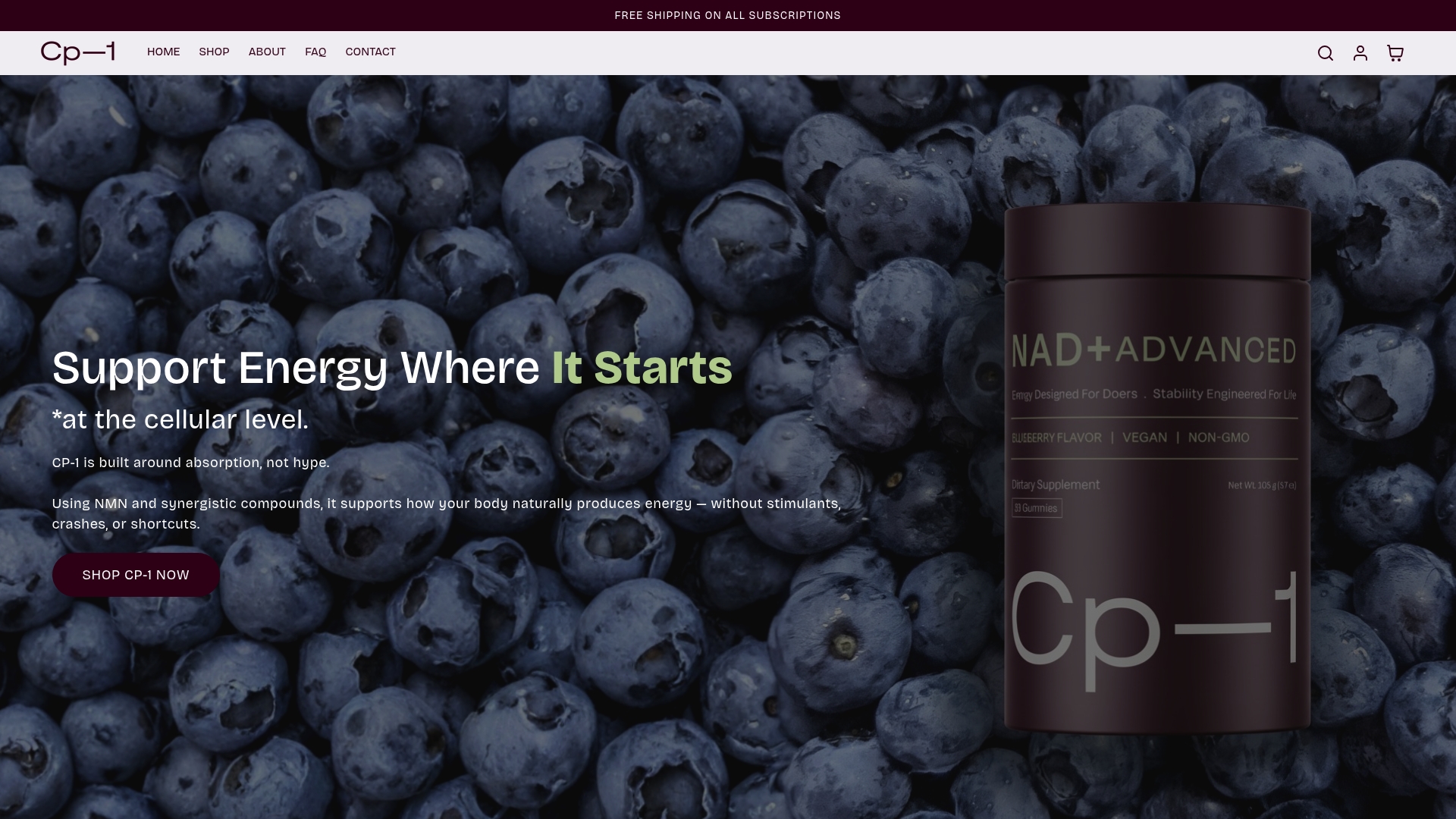
That transparency standard matters because it’s the same standard this entire article just walked you through: check mushroom part, check extraction method, check whether the manufacturer discloses testing. CP-1 is built as a multi-ingredient formula rather than a lion’s mane-only product, which means it’s positioned for readers looking at cellular energy, cognitive support, and immune health together rather than isolating NGF stimulation as a single goal. If lion’s mane’s role in supporting nerve growth factor production is what brought you here, run CP-1’s label against the checklist from the formulation section above, then see the full ingredient breakdown to decide if the combined formula matches what you’re looking to support.
This article is general information, not a substitute for advice from a qualified doctor. Consult a qualified healthcare professional about your own circumstances before acting on anything here.
Sources
- Lion’s Mane Mushroom (Hericium erinaceus): A Neuroprotective Fungus with Antioxidant, Anti-Inflammatory, and Antimicrobial Potential—A Narrative Review
- Neurotrophic properties of the Lion’s mane medicinal mushroom, Hericium erinaceus (Higher Basidiomycetes) from Malaysia
- Mori et al. mouse hippocampus NGF mRNA study
FAQ
Does lion’s mane increase nerve growth factor (NGF)?
Yes, in cell and animal studies. Mouse feeding studies show increased hippocampal NGF mRNA after just seven days, but no human trial has directly measured NGF levels rising in people.
Is there a downside to taking lion’s mane?
The most commonly reported issues are mild gastrointestinal discomfort and, rarely, allergic-type reactions, since it’s a fungus and fungal allergies exist. Long-term safety data beyond a few months is still limited, so people who are pregnant, immunocompromised, or on blood thinners should check with a clinician first.
Is lion’s mane actually good for your brain?
The mechanistic and preclinical evidence is genuinely strong, showing NGF pathway activation and neurite outgrowth in lab models. Human clinical evidence is preliminary, with small trials suggesting cognitive or mood benefits but nothing conclusive yet.
Can lion’s mane help with neuron growth?
Preclinical data shows lion’s mane extract combined with NGF produced a 60.6% increase in neurite outgrowth in cultured neuroblastoma-glioma cells. That’s a synergy effect in a lab dish, not direct proof of new neuron growth in a human brain.
What compounds in lion’s mane are responsible for NGF stimulation?
Erinacines, found mainly in the mycelium, and hericenones, found mainly in the fruiting body, are the two terpenoid families most consistently linked to NGF-stimulating activity across cell studies.