

The Role of Supplements in Aging: A 2026 Guide
Supplements play a defined role in aging: they correct specific nutritional deficiencies and support targeted health functions, not prevent aging itself. That distinction matters more than most people realize. Research published in march 2026 confirms that daily multivitamin use may slow certain biological aging markers, but does not reduce mortality risk or extend lifespan. The honest truth is that most adults over 50 are not getting the most out of supplements because they are taking the wrong ones for the wrong reasons. This guide cuts through the noise and tells you what the evidence actually says.
What evidence supports supplement use for healthy aging?
The role of supplements in aging is not to replace a healthy lifestyle. It is to fill gaps that food and sunlight cannot reliably cover as you get older. A handful of compounds have earned their place through human randomized controlled trials.
Supplements with RCT support for healthspan improvements include omega-3 fatty acids, vitamin D, creatine, magnesium, and NAD precursors like NMN (Nicotinamide Mononucleotide). Each of these has been tested in real people, not just lab animals. That is a short list compared to what fills the shelves at any supplement store.
Vitamin D and B12 are the two most commonly deficient nutrients in older adults. Vitamin D deficiency is especially common in people with limited sun exposure or osteoporosis risk, and supplementation is clearly warranted in those cases. B12 absorption declines with age because stomach acid production drops, making dietary sources less reliable over time.
Protein is not a supplement in the traditional sense, but it functions like one for older adults who are not eating enough. Healthy older adults need 1.0 to 1.2 grams of protein per kilogram of body weight daily to prevent sarcopenia, the muscle loss that accelerates after 60. Most people in that age group fall short of that target without tracking their intake.
- Omega-3 fatty acids: Reduce systemic inflammation and support cardiovascular and cognitive health.
- Vitamin D: Corrects deficiency, supports bone density, and reduces fracture risk.
- Creatine: Preserves muscle strength and supports brain energy metabolism in older adults.
- Magnesium: Supports sleep quality, nerve function, and blood pressure regulation.
- NAD precursors (NMN, NR): Support mitochondrial energy production and cellular repair pathways.
Pro Tip: Get your vitamin D, B12, and magnesium levels tested before you buy anything. Supplementing nutrients you are not deficient in rarely produces measurable benefits and sometimes causes harm.
What are the risks and misconceptions about supplements in aging?
The biggest misconception in the supplement industry is that more is better. It is not. Supplements are not nutritional insurance, and treating them that way is where people get into trouble.
Here are the most common and consequential mistakes older adults make with supplements:
-
Taking high-dose antioxidants without clinical guidance. Chronic high-dose antioxidant supplementation can blunt physiological redox signaling, which is the body’s natural adaptive response to exercise stress. That means megadosing vitamin C or E after workouts may actually cancel out the fitness benefits you are working for.
-
Ignoring toxicity thresholds. Excess vitamin A and B6 cause real harm. Too much vitamin A accelerates bone loss and raises fracture risk. Too much B6 causes peripheral neuropathy, a painful nerve condition. Both are sold over the counter with no warning label that most people read.
-
Assuming supplements are safe because they are natural. Natural does not mean inert. Many supplements interact with common medications. Blood thinners, statins, and thyroid medications all have documented interactions with popular supplements including fish oil, CoQ10, and St. John’s Wort.
-
Using supplements to compensate for a poor diet. No supplement corrects the downstream effects of chronic poor nutrition. A multivitamin does not undo the metabolic damage from years of processed food and sedentary behavior.
Pro Tip: Always bring a full list of your supplements to your doctor or pharmacist. Drug-supplement interactions are underreported and often the cause of unexplained symptoms in older adults.
How does longevity science differ from consumer supplement trends?
Longevity science is a clinical discipline focused on extending healthspan, which means the years you spend in good functional health, not just total lifespan. Longevity science integrates precision health diagnostics, hormonal therapies, regenerative interventions, and physician-supervised protocols. That is a fundamentally different model from buying a bottle of NMN off the internet because a podcast host recommended it.
“Longevity science shifts from anti-aging myths to optimizing healthspan with functional outcomes like cognitive clarity and mobility.” — vastkind.com
The consumer wellness market runs on mechanism-based claims. A product says it “supports NAD+ production” because that is technically true at the cellular level. What it does not say is whether that mechanism produces a measurable clinical outcome in a 65-year-old human. Longevity science demands the second part of that sentence.
Professional longevity care uses lab diagnostics to build personalized protocols. A physician measures your actual NAD+ levels, inflammatory markers, hormonal status, and metabolic function before recommending anything. That is categorically different from a consumer buying a longevity supplements checklist and self-prescribing based on general recommendations.
The distinction matters because longevity science trials measure composite outcomes: frailty scores, cognitive decline rates, and disease incidence. Consumer products are rarely tested against those endpoints. That gap between mechanism and outcome is where most supplement marketing lives.
- Longevity science uses biomarker testing before and after intervention.
- Consumer trends rely on population-level associations, not individual diagnostics.
- Physician supervision catches interactions, toxicity risks, and non-responders.
- Clinical protocols adjust over time based on measured results.
Which supplements are worth taking for practical aging support?
Targeted supplementation for confirmed deficiencies is the only approach with consistent evidence behind it. Universal supplementation is not recommended by current evidence. That means your supplement protocol should start with a blood panel, not a shopping cart.
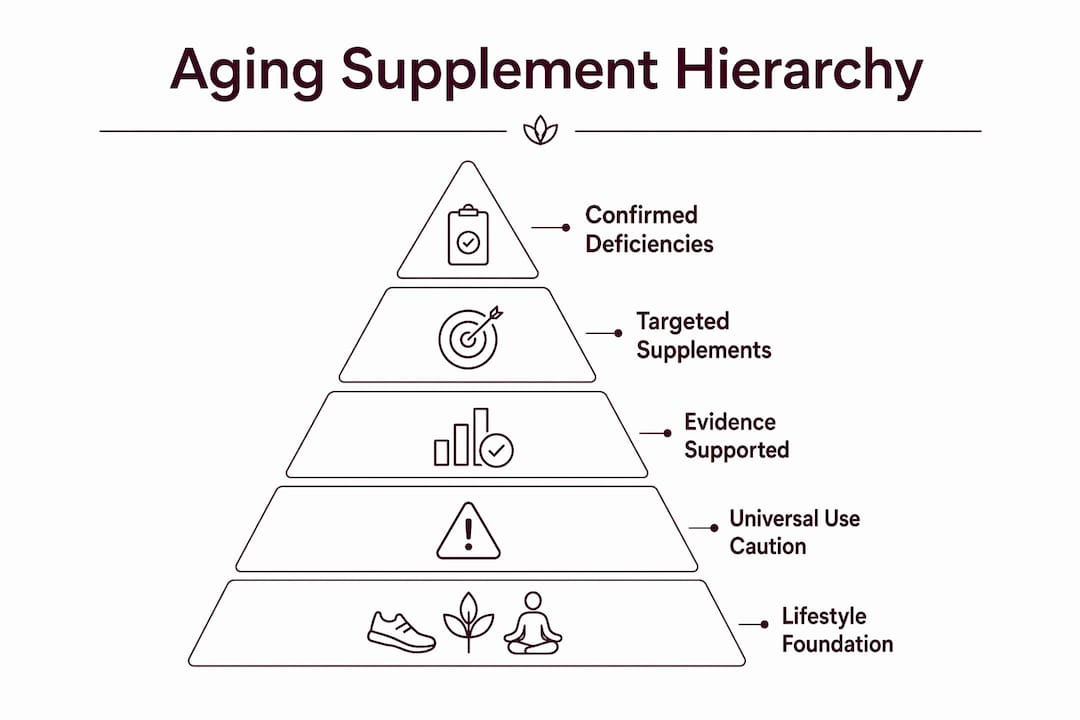
Here is a practical comparison of the supplements with the strongest evidence for older adults:
| Supplement | Primary benefit | Evidence level | Notes |
|---|---|---|---|
| Vitamin D | Bone density, immune function | Strong (RCT) | Test first; dose based on deficiency |
| Vitamin B12 | Nerve function, energy metabolism | Strong (RCT) | Sublingual form improves absorption |
| Omega-3 (EPA/DHA) | Cardiovascular, cognitive health | Strong (RCT) | 1–2g daily is the studied range |
| Creatine | Muscle strength, brain energy | Moderate (RCT) | 3–5g daily; safe for most older adults |
| Magnesium glycinate | Sleep, nerve function | Moderate (RCT) | Glycinate form is better tolerated |
| NMN / NAD precursors | Mitochondrial energy, cellular repair | Emerging (RCT) | Sublingual delivery improves blood levels |
Delivery method matters more than most people expect. Sublingual delivery of NAD+ precursors, glutathione, and vitamin B12 improves bioavailability compared to standard oral capsules. That means the same dose can produce meaningfully higher blood levels when absorbed under the tongue rather than through the gut.
The foundations of healthy aging remain balanced nutrition, strength training, social connection, and quality sleep. Supplements address specific needs within that framework. They do not replace it. If you are not sleeping, not exercising, and not eating real food, no supplement stack will compensate for those deficits.
- Confirm deficiencies with blood work before starting any new supplement.
- Prioritize protein intake from whole food sources first, then supplement if needed.
- Choose supplements with third-party testing verification.
- Review your full supplement list with a healthcare provider at least once a year.
Pro Tip: If you are taking NMN or other NAD precursors, ask about sublingual formulations. The difference in absorption is real, and it affects whether you actually feel anything from the product.
For a broader look at evidence-based aging strategies, including how to structure your supplement timing and lifestyle habits together, Cp-1 has published a practical 2026 guide worth reading.
Key Takeaways
Supplements support healthy aging only when they address confirmed deficiencies or specific functional needs within a broader lifestyle framework.
| Point | Details |
|---|---|
| Targeted use only | Supplement for confirmed deficiencies, not as general prevention or insurance. |
| Test before you buy | Blood panels for vitamin D, B12, and magnesium prevent wasted money and real harm. |
| Delivery method matters | Sublingual forms of B12 and NMN produce higher blood levels than standard capsules. |
| Longevity science is clinical | Physician-supervised protocols use diagnostics and adjust over time; consumer trends do not. |
| Lifestyle comes first | Nutrition, strength training, sleep, and social connection are the primary drivers of healthy aging. |
What I have learned from watching people get this wrong
I have spent years looking at what actually works in the supplement space, and the pattern I keep seeing is the same. People find a supplement that sounds promising, buy the cheapest version they can find, take it inconsistently, and then conclude that supplements do not work. That is not a fair test of anything.
The other pattern is more dangerous. Someone reads about antioxidants and starts taking high doses of vitamin C, vitamin E, and beta-carotene every day because more protection sounds logical. What they do not know is that chronic high-dose antioxidants can interfere with the body’s own adaptive responses. The stress your cells experience during exercise is partly what makes exercise beneficial. Flooding that system with antioxidants can blunt the adaptation.
What I have found actually works is boring and specific. Get tested. Fix what is broken. Take the compounds with real human trial data behind them. Use sublingual forms when bioavailability is a known issue. And stop expecting any pill to do what sleep, food, and movement do.
Longevity science is evolving fast. The research on NAD precursors, creatine for cognitive aging, and omega-3 dosing is genuinely exciting. But the science is still building. The honest position is that we know more than we did five years ago and less than we will know five years from now. That means staying curious, staying skeptical, and working with a clinician who keeps up with the research. For anyone serious about cognitive wellness and supplement use, the evidence base is worth understanding before spending money.
— Hugo
What Cp-1 offers for evidence-based aging support
Cp-1 was built for people who are tired of products designed for a marketing deck rather than for the person swallowing them.
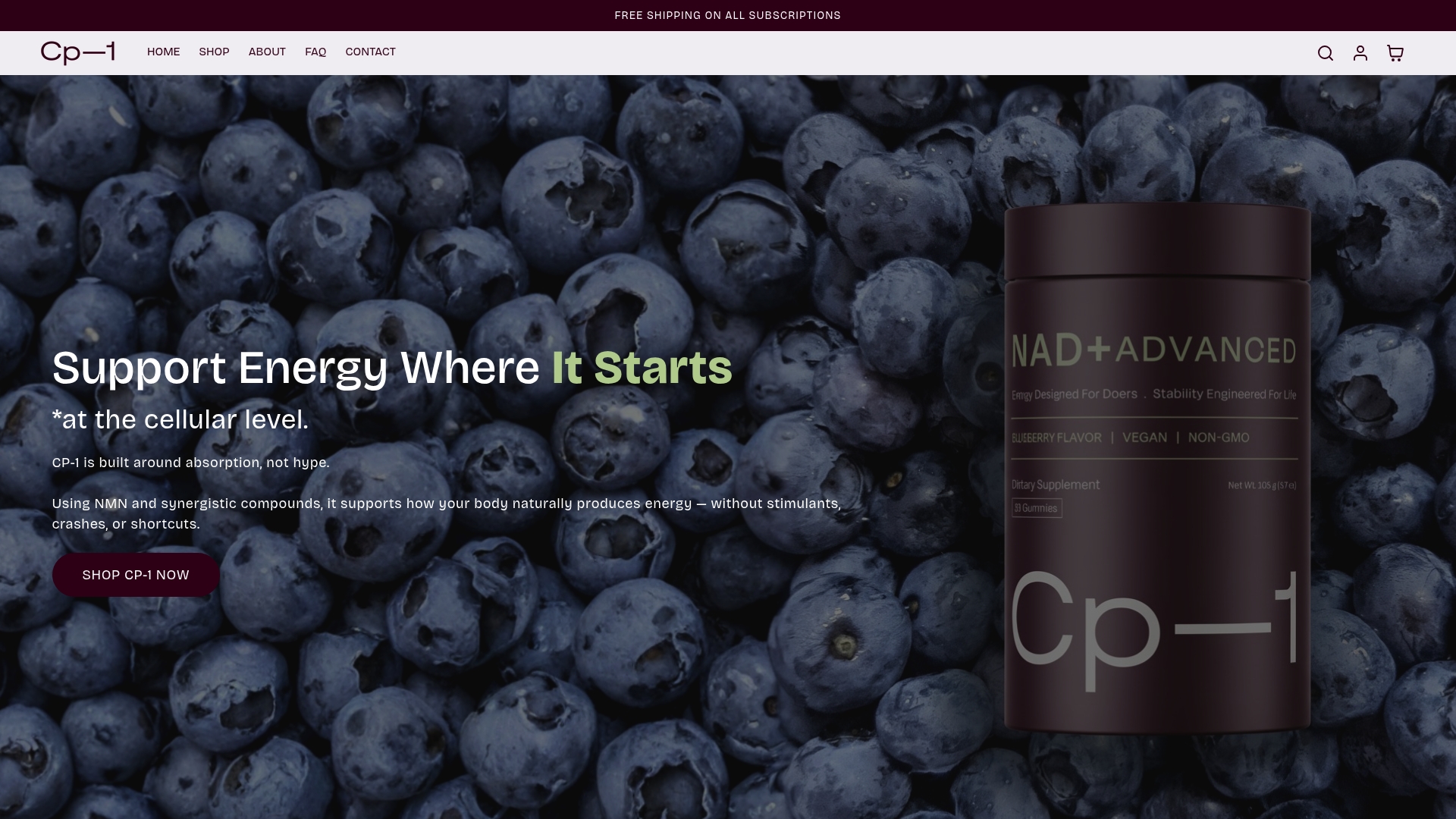
The CP-1 formula contains NMN, lion’s mane mushroom extract, reishi mushroom extract, turkey tail mushroom extract, and coenzyme Q10. These ingredients target NAD+ production, mitochondrial energy, immune resilience, and cognitive clarity. Every batch is third-party tested, vegan, non-GMO, and manufactured in the US. If you want to understand how these ingredients fit into a real aging support protocol, the CP-1 product page has the full breakdown, including sourcing standards and dosing rationale. No hype, no filler. Just what the evidence supports.
FAQ
What is the role of supplements in aging?
Supplements correct specific nutritional deficiencies and support targeted health functions in older adults. They do not prevent aging or extend lifespan on their own.
Which supplements have the strongest evidence for older adults?
Vitamin D, vitamin B12, omega-3 fatty acids, creatine, and magnesium have the strongest human trial support for aging-related benefits. NAD precursors like NMN show emerging clinical evidence for mitochondrial and cellular health.
What is longevity supplementation?
Longevity supplementation refers to using specific compounds, such as NMN, omega-3s, and creatine, to support healthspan outcomes like cognitive function, muscle preservation, and cellular energy. It is most effective when guided by lab diagnostics rather than general recommendations.
Can too many supplements be harmful for older adults?
Yes. Excess vitamin A causes bone loss and excess B6 causes nerve damage, both from over-the-counter products. Unsupervised supplementation also carries real drug interaction risks, particularly with blood thinners and statins.
Does delivery method affect how well supplements work?
Sublingual delivery of B12, NMN, and glutathione produces higher blood levels than standard oral capsules. For compounds where bioavailability is a known issue, the delivery format directly affects whether the supplement produces a measurable effect.