
NAD, short for nicotinamide adenine dinucleotide, is a coenzyme present in every living cell that shuttles electrons between chemical reactions to generate the energy your body runs on. Without it, your mitochondria cannot produce ATP, your DNA repair systems stall, and your cells age faster. Understanding what NAD does at the biochemical level is not just academic. It is the foundation for every serious conversation about energy, longevity, and why certain supplements are worth your attention while others are not. NAD exists in two primary forms: NAD+ (the oxidized form) and NADH (the reduced form), and the balance between them is what keeps your metabolism running.
What is NAD and how does it work in your cells?
NAD is defined by the Cleveland Clinic as a coenzyme that acts as an electron transporter, cycling between its oxidized form (NAD+) and reduced form (NADH) to drive the chemical reactions that convert food into usable energy. Think of NAD+ as an empty cargo shuttle and NADH as that same shuttle loaded with electrons. The shuttle picks up electrons from nutrients, carries them to the mitochondria, and drops them off to generate ATP, the molecule your body actually burns for fuel.
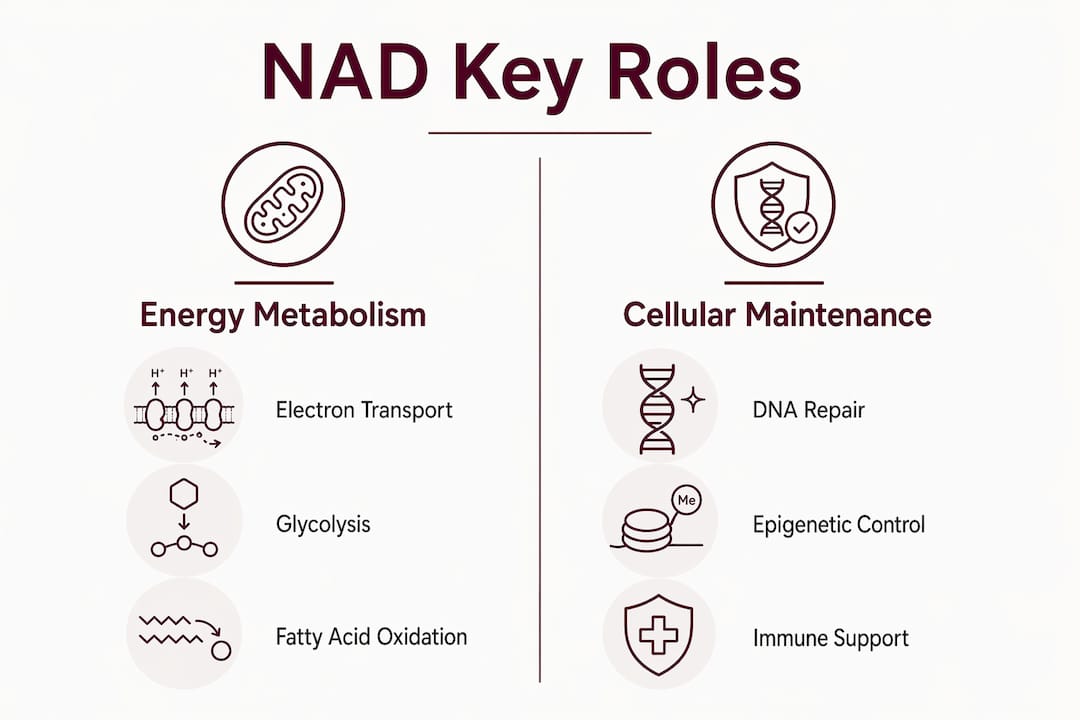
This cycling is not a minor detail. It sits at the center of glycolysis, the TCA (Krebs) cycle, and fatty acid oxidation. Every macronutrient you eat, whether protein, carbohydrate, or fat, feeds into pathways that depend on NAD+ being available to accept electrons. If NAD+ runs low, these pathways slow down, and your cells produce less energy regardless of how well you eat or sleep.
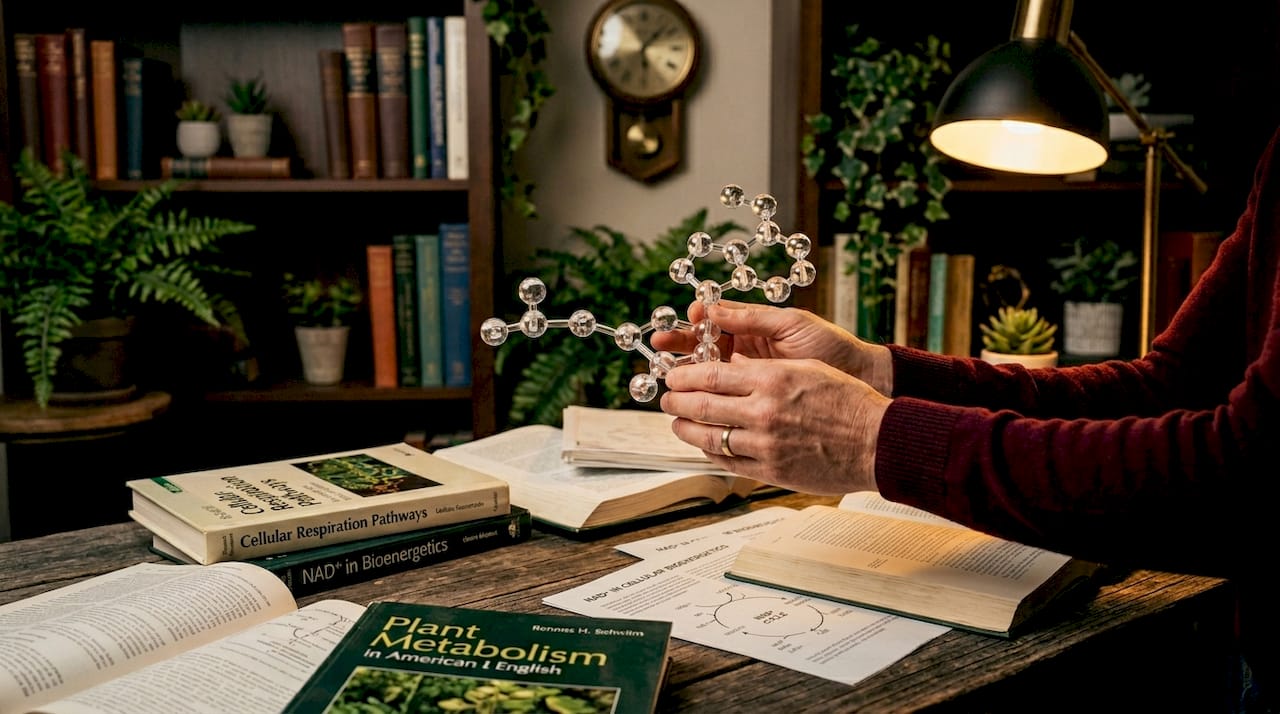
NAD also plays a direct role in cellular stress response and DNA repair. When your DNA takes damage from UV exposure, oxidative stress, or normal replication errors, repair enzymes called PARPs (poly ADP-ribose polymerases) consume NAD+ to fix the damage. This means NAD is not just a fuel molecule. It is also a repair resource, and your body is constantly competing for its supply.
How does NAD function in energy production and metabolism?
The mechanics of NAD and energy production are worth understanding precisely, because this is where most wellness content gets vague. Here is what actually happens at the cellular level:
- Glycolysis: NAD+ accepts electrons from glucose breakdown in the cytoplasm, producing NADH. This is the first stage of energy extraction from carbohydrates.
- TCA cycle: Inside the mitochondria, NADH is generated at multiple steps as acetyl-CoA (derived from fats, carbs, and proteins) is broken down. Each turn of the cycle produces three NADH molecules.
- Electron transport chain (ETC): NADH donates its electrons to Complex I of the ETC. This electron flow drives proton pumping across the mitochondrial membrane, creating the electrochemical gradient that powers ATP synthase.
- ATP synthesis: The proton gradient drives the production of ATP. Without NADH delivering electrons, the ETC stalls and ATP output drops sharply.
- Fatty acid oxidation: NAD+ is required to break down fatty acids in the mitochondria, making it central to fat metabolism as well as carbohydrate metabolism.
NAD+ availability directly limits mitochondrial efficiency. When NAD+ levels fall, the entire electron transport chain slows, ATP production drops, and cells shift toward less efficient energy pathways. This is not a theoretical concern. It is the biochemical explanation for why low NAD+ is associated with fatigue, metabolic slowdown, and reduced physical performance.
Pro Tip: The NAD+/NADH ratio is a direct readout of your cell’s energy status. A high NAD+/NADH ratio signals metabolic health and efficient energy production. Fasting, exercise, and caloric restriction all raise this ratio naturally, which partly explains their well-documented benefits.
Understanding NAD’s role as a cellular energy powerhouse helps clarify why researchers and clinicians pay close attention to NAD levels when studying aging and metabolic disease.
What else does NAD do beyond energy metabolism?
NAD’s role in metabolism is significant, but it is only part of the picture. The molecule also serves as a substrate for three major classes of enzymes that regulate cell survival, gene expression, and immune defense.
DNA repair via PARPs. When DNA strands break, PARP enzymes use NAD+ as raw material to build poly ADP-ribose chains that signal and scaffold the repair process. NAD+ supports DNA repair through this PARP-dependent mechanism, meaning cells with depleted NAD+ accumulate more DNA damage over time.
Epigenetic regulation via sirtuins. Sirtuins are a family of NAD±dependent enzymes that remove acetyl groups from histones and other proteins, effectively switching genes on or off. Sirtuins regulate pathways tied to inflammation, stress resistance, and metabolic adaptation. Without adequate NAD+, sirtuin activity drops, and these regulatory programs become less effective.
Immune cell metabolism. NAD’s extended roles include immune cell function and oxidative stress regulation. Both innate and adaptive immune cells rely on NAD+ to fuel their rapid energy demands during an immune response. Macrophages, T cells, and natural killer cells all depend on NAD+ availability to mount effective defenses.
Antioxidant defense via NADPH. A related molecule, NADPH (the phosphorylated form of NADH), is the primary electron donor for glutathione regeneration, your body’s main antioxidant system. Without NADPH, oxidative stress accumulates and cellular damage accelerates.
These roles collectively explain why NAD is described as a master regulator of cellular health, not just an energy carrier. The molecule sits at the intersection of metabolism, genome integrity, and immune function simultaneously.
How do NAD levels change with age, and what does that mean for your health?
NAD levels decline as a natural part of biological aging. NAD depletion contributes to mitochondrial dysfunction and is associated with age-related diseases, cognitive decline, and reduced metabolic resilience. The reasons for this decline are multiple: increased PARP activity consuming NAD+ in response to accumulated DNA damage, reduced expression of NAD biosynthesis enzymes, and higher inflammatory signaling that depletes NAD+ through CD38 enzyme activity.
The practical consequence is that older cells have less NAD+ available for both energy production and repair functions simultaneously. This creates a compounding problem. Less energy means less capacity to run repair processes, and less repair means more damage that consumes even more NAD+.
| NAD precursor | Mechanism | Evidence level |
|---|---|---|
| Nicotinamide mononucleotide (NMN) | Directly enters NAD+ salvage pathway via NMN transporter | Raises blood NAD+; clinical outcomes under study |
| Nicotinamide riboside (NR) | Converted to NMN then NAD+ in cells | Raises blood NAD+; limited clinical outcome data |
| Nicotinic acid (niacin) | Enters Preiss-Handler pathway | Established for cardiovascular use; causes flushing |
| Nicotinamide | Enters salvage pathway directly | Raises NAD+; high doses may inhibit sirtuins |
This is where the supplement conversation gets complicated. A randomized controlled trial found that oral NAD+ precursor supplements raised blood NAD+ levels by 74% versus placebo in healthy adults after 28 days. That is a meaningful biomarker change. The problem is that raising NAD+ in blood does not automatically translate to improved outcomes in the tissues that matter most, like the brain, heart, or skeletal muscle.
Pro Tip: Blood NAD+ measurements are a proxy, not a direct readout of mitochondrial NAD+ levels. Mitochondrial and cytoplasmic NAD+ pools are regulated separately, and a supplement that raises blood levels may not reach the compartments where NAD+ is most needed.
For a deeper look at how NMN and NAD+ compare as supplementation strategies, the NAD+ vs NMN breakdown on the Cp-1 blog is worth reading before you spend money on either.
What are the main NAD precursors and how do they compare?
NAD+ metabolism involves multiple biosynthetic and salvage pathways using precursors including tryptophan, nicotinamide, and nicotinic acid, and their effectiveness varies by tissue and biological context. No single precursor works the same way in every cell type, which is why the supplement market’s one-size-fits-all messaging is misleading.
Here is how the main supplementation approaches stack up:
- NMN (Nicotinamide Mononucleotide): The most direct NAD+ precursor in the salvage pathway. NMN enters cells via a dedicated transporter and converts to NAD+ with minimal steps. Cp-1 uses NMN as a core ingredient specifically because of this direct pathway.
- NR (Nicotinamide Riboside): Converts to NMN first, then to NAD+. Solid clinical data on blood NAD+ elevation, but the extra conversion step may reduce efficiency in some tissues.
- Nicotinic acid (niacin): The oldest and most studied NAD precursor. Effective for cardiovascular applications but causes skin flushing at therapeutic doses, limiting practical use.
- Nicotinamide: Inexpensive and raises NAD+ levels, but high doses may actually inhibit sirtuin activity, which would undercut one of NAD’s key regulatory functions.
- Intravenous NAD+: Bypasses digestive absorption entirely. Used in clinical and wellness settings, but evidence on long-term effectiveness remains limited and more rigorous trials are needed before strong conclusions can be drawn.
The regulatory environment around these products is tightening. A 2026 National Advertising Division ruling required discontinuation of “clinically proven” health benefit claims for Tru Niagen, a widely marketed NR supplement. This ruling signals that the gap between raising NAD+ biomarkers and demonstrating clinical health benefits is real and legally significant.
NAD and wellness science confirms that NAD+, NAD precursors like NR or NMN, and their biological impacts are not interchangeable. Evidence quality varies considerably across products and claims, and consumer caution is warranted.
Key takeaways
NAD is a coenzyme that drives energy production, DNA repair, and gene regulation in every cell, and its decline with age is one of the most well-documented contributors to metabolic and cellular dysfunction.
| Point | Details |
|---|---|
| NAD definition | Nicotinamide adenine dinucleotide is a coenzyme that cycles between NAD+ and NADH to transfer electrons and generate ATP. |
| Energy production role | NAD+ is required for glycolysis, the TCA cycle, and the electron transport chain, making it central to all macronutrient metabolism. |
| Beyond energy | NAD+ fuels PARP-mediated DNA repair, sirtuin-driven gene regulation, and immune cell metabolism simultaneously. |
| Age-related decline | NAD+ levels fall with age due to increased consumption and reduced synthesis, contributing to mitochondrial dysfunction and disease risk. |
| Supplement caution | Oral precursors like NMN and NR raise blood NAD+ levels, but blood biomarkers do not guarantee improved outcomes in target tissues. |
Why most people are thinking about NAD the wrong way
I have spent a lot of time reading the research on NAD, and the thing that frustrates me most is how the supplement industry has flattened a genuinely complex molecule into a simple “take this pill and feel younger” pitch. That is not what the science says, and it is not honest.
NAD is not a single thing you can just top up like a gas tank. It exists in separate cellular compartments, each with its own regulation. Mitochondrial NAD+ and cytoplasmic NAD+ are not the same pool. Boosting NAD+ may only help if it actually improves availability in the specific compartment where the deficit exists. A supplement that raises your blood levels by 74% might be doing almost nothing for your mitochondria.
That said, I do not think NAD precursors are useless. I think they are being sold with claims that outrun the evidence. The honest position is that NMN and NR are promising, the mechanisms are real, and the clinical outcome data is still catching up. If you are going to use them, use them as part of a broader approach that includes exercise, sleep, and diet, not as a replacement for those fundamentals.
— Hugo
Support your NAD+ levels with Cp-1
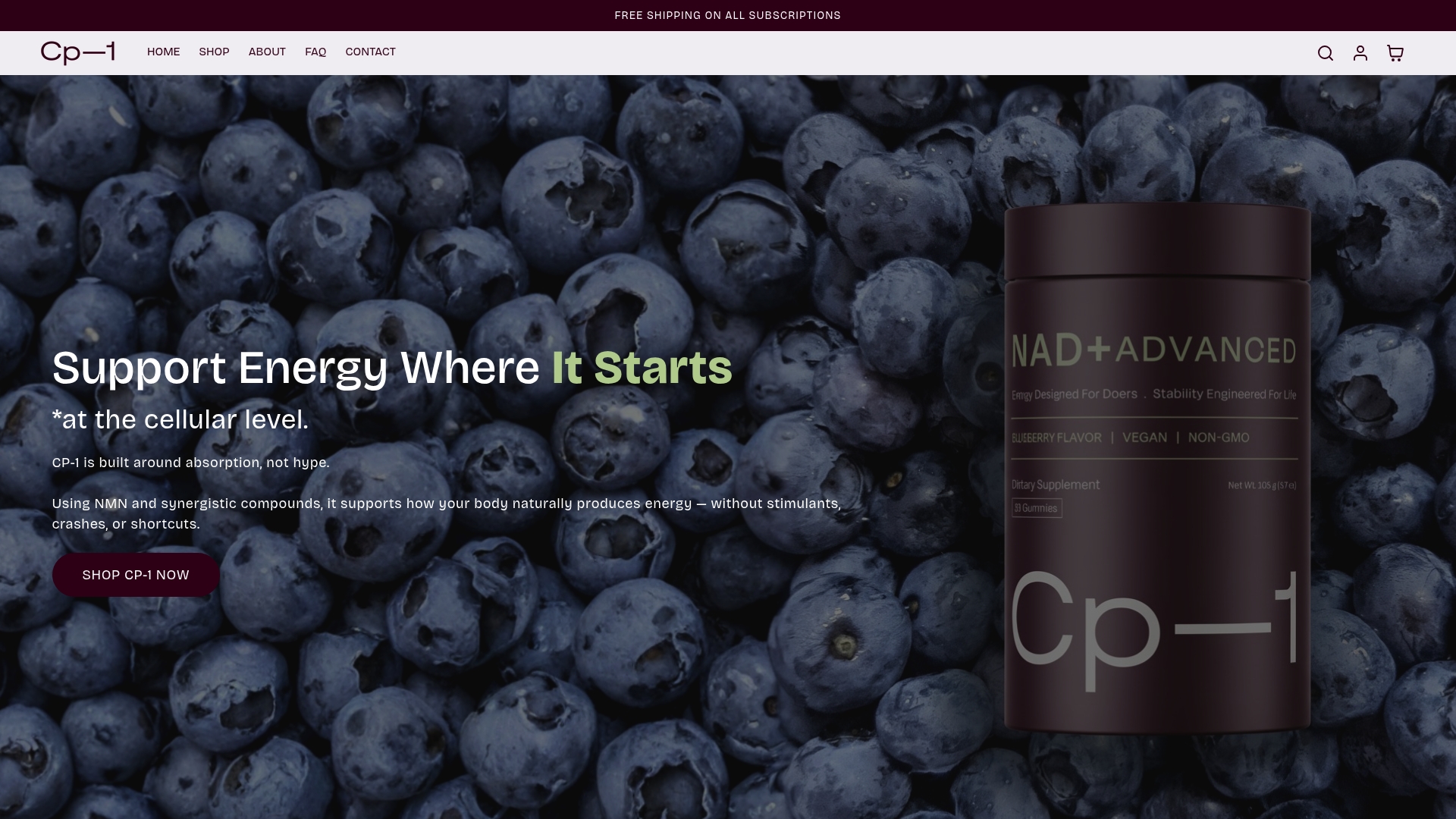
If you have read this far, you already think more carefully about supplements than most people do. Cp-1 was built for exactly that kind of person. The formula includes NMN as a direct NAD+ precursor alongside coenzyme Q10 for mitochondrial support, lion’s mane mushroom for cognitive function, and reishi and turkey tail mushroom extracts for immune resilience. Every ingredient is third-party tested, vegan, non-GMO, and manufactured in the US. No “clinically proven” marketing language. Just a well-formulated NAD+ supplement designed for people who want real cellular support, not a placebo in a premium bottle.
FAQ
What does NAD stand for?
NAD stands for nicotinamide adenine dinucleotide. It is a coenzyme found in every living cell that transfers electrons between molecules to generate cellular energy.
What is the difference between NAD+ and NADH?
NAD+ is the oxidized form that accepts electrons, while NADH is the reduced form that carries electrons to the mitochondria for ATP production. The ratio between them reflects your cell’s metabolic state.
Does NAD really decline with age?
NAD levels do decline with biological aging due to increased consumption by repair enzymes and reduced biosynthesis. This decline is linked to mitochondrial dysfunction and age-related metabolic changes.
Can you raise NAD levels with supplements?
Oral precursors like NMN and NR can raise blood NAD+ levels significantly. One randomized trial found a 74% increase versus placebo after 28 days, though whether this translates to clinical health benefits remains an open research question.
What is the best NAD precursor to take?
NMN and NR are the most studied oral precursors with the strongest evidence for raising NAD+ biomarkers. NMN enters the salvage pathway more directly, while NR requires an additional conversion step. The science behind NMN is detailed and worth reviewing before choosing a product.