

Whole Body Wellness Checklist: Your 2026 Complete Guide
A whole body wellness checklist is a structured set of daily and weekly habits that support your physical health, mental balance, and emotional well-being at the same time. The term “whole body wellness” is the informal version of what health researchers call integrative health, a model that treats sleep, movement, nutrition, supplementation, and stress management as one connected system. The most effective checklists include 5–7 core habits built around evidence-based targets: 7–9 hours of sleep, 15–20 minutes of daily movement, and 12–16 oz of water within the first hour of waking. Start with those anchors, and every other habit you add has a stronger foundation to land on.
1. What are the top daily habits for your whole body wellness checklist?
The most impactful daily habits share one trait: they are specific enough to measure and short enough to actually do. Vague goals like “move more” or “drink water” fail because they have no clear start or finish. The habits below are concrete, evidence-backed, and designed to build on each other.
- Sleep 7–9 hours. Sleep is when your body repairs tissue, consolidates memory, and regulates cortisol. Cutting it short by even 90 minutes measurably raises hunger hormones and lowers focus the next day.
- Hydrate first thing. Drinking 12–16 oz of water within the first hour of waking restores fluid lost overnight and reduces mid-afternoon energy crashes. Adding a pinch of electrolytes or a squeeze of lemon improves absorption without adding sugar.
- Move for 15–20 minutes. This does not require a gym. A brisk walk, a bodyweight circuit, or a yoga flow all count. The goal is to raise your heart rate and signal to your body that it is active and alive.
- Eat protein at breakfast. Protein at the first meal stabilizes blood sugar and reduces cravings for the rest of the day. Aim for at least 20–30 grams from eggs, Greek yogurt, or a quality protein source.
- Practice 5 minutes of mindfulness. Parasympathetic activation, the state your nervous system enters during calm breathing or meditation, lowers cortisol and improves decision-making. Five minutes is enough to shift your baseline.
- Follow a consistent skin care routine. Cleansing and moisturizing morning and night protects your skin barrier, which is your body’s first line of defense against environmental stress. Your oral microbiome is part of this system too, and daily care there directly affects systemic inflammation.
- Limit screens one hour before bed. Blue light suppresses melatonin production. Replacing screen time with reading or light stretching improves sleep onset and sleep quality.
Pro Tip: Pair new habits with existing cues. If you already make coffee every morning, drink your water before the coffee is ready. Habit pairing cuts the mental effort required to start.
Start with just 2–3 of these habits. Sustainable wellness routines built on a small core outperform ambitious 10-habit lists that collapse within weeks.

2. Which foundational supplements should beginners consider?
Supplements act as optimizers on top of sleep, movement, and nutrition. They are not replacements for those foundations. That said, three supplements have the strongest evidence base for most adults and address the most common deficiencies.
Before you buy anything, confirm your deficiencies with lab testing. Testing vitamin D and B12 levels before supplementing prevents you from spending money on nutrients you already have enough of. It also protects you from the real risk of over-supplementing fat-soluble vitamins like D.
| Supplement | Primary benefit | Recommended form | Typical repletion period |
|---|---|---|---|
| Vitamin D3 + K2 | Bone density, immune function | Softgel with fat | 8–12 weeks |
| Magnesium glycinate or malate | Sleep quality, muscle recovery | Capsule or powder | 4–8 weeks |
| Omega-3 (EPA/DHA) | Brain health, cardiovascular support | Triglyceride-form fish oil | 8–12 weeks |
Foundational supplements like Vitamin D3 + K2 and Magnesium glycinate work well together and are safe to start at the same time. Add Omega-3 after four weeks once you have confirmed the first two agree with your system. This gradual approach avoids overlap errors and makes it easier to identify what is actually working.
Avoid proprietary blends that hide individual ingredient doses behind a “blend” label. You cannot evaluate what you cannot measure. Look for supplements with transparent labeling, third-party testing, and no unnecessary fillers. Cp-1 publishes its ingredient list and manufacturing standards openly, which is the baseline you should expect from any supplement brand you trust.
Pro Tip: Use the minimum effective dose strategy. Start at the lower end of the recommended range, then adjust based on lab results after 8–12 weeks. More is rarely better, and it always costs more.
3. How to track and personalize your wellness checklist
Tracking works best when you measure both what you do and how you feel. Checking off habits completed is only half the picture. The other half is recording outcome signals: energy level, mood, sleep quality, and stress tolerance. Combining habit tracking with outcome feedback creates a feedback loop that shows you which habits actually move the needle for your body.
You do not need a fancy app. A notes app, a paper planner, or a simple spreadsheet all work. The tool matters far less than the consistency of use.
Outcome signals worth tracking daily:
- Morning energy: Rate it 1–5 before caffeine. This is your most honest signal.
- Mood at midday: A quick note on emotional state catches patterns tied to sleep or nutrition.
- Sleep quality: Note how rested you feel, not just how many hours you logged.
- Stress level: Rate it 1–5 in the evening. Chronic high scores signal a need for recovery habits.
- Digestion: Irregular digestion often reflects hydration, fiber, or stress issues before they become bigger problems.
Review your data every Sunday. Look for patterns across the week, not single-day outliers. If your energy scores are consistently low on days after poor sleep, that is a clear signal to protect sleep above all other habits. Do a full reset at the start of each month. Drop habits that show no outcome improvement and replace them with one new experiment. This monthly reset prevents your checklist from becoming stale or disconnected from your actual life.
Pro Tip: The best wellness tracker balances habits with how you feel. Patterns matter more than perfect completion streaks.
4. What weekly habits strengthen your health checklist?
Daily habits build the floor. Weekly habits build the ceiling. Weekly practices like one longer restorative activity, meaningful social connection, and a screen-free window each week complement daily loading and protect against burnout.
Here is what a strong weekly rhythm looks like:
- One longer movement session. Go beyond your daily 15–20 minutes once a week. A 45-minute hike, a swim, or a longer yoga class builds cardiovascular capacity and gives your body a different stimulus.
- Social connection. Loneliness raises cortisol and suppresses immune function. A meal with a friend, a phone call with family, or a group fitness class all count. Schedule it like an appointment.
- A screen-free window. Pick two to three hours on a weekend day with no phone, no laptop, and no TV. This is not punishment. It is nervous system recovery.
- Skin exfoliation or a longer self-care ritual. Weekly exfoliation removes dead skin cells and improves product absorption. Pair it with a longer bath or a face mask to signal genuine rest to your body.
- A nature exposure block. Spending time outdoors, even 30 minutes in a park, lowers cortisol and improves mood through mechanisms that indoor environments cannot replicate. Research on holistic gum health and systemic wellness consistently points to the same principle: the body responds to its environment, not just its inputs.
- A weekly supplement and habit review. Spend five minutes checking that your supplements are stocked, your habits are still relevant, and your checklist still fits your current schedule.
Weekly habits prevent the slow drift that kills most wellness routines. Without them, daily habits become mechanical and disconnected from the bigger picture of how you actually feel and function.
Key takeaways
A whole body wellness checklist works because it connects daily habits, targeted supplementation, and honest outcome tracking into one system that adapts to your biology.
| Point | Details |
|---|---|
| Start with 5–7 core habits | Sleep, hydration, movement, and mindfulness form the non-negotiable foundation. |
| Confirm deficiencies before supplementing | Lab testing for vitamin D and B12 prevents wasted money and over-supplementation. |
| Track outcomes, not just actions | Daily energy, mood, and sleep scores reveal which habits actually work for you. |
| Build weekly rhythms | Restorative activities and screen-free windows prevent burnout and sustain daily habits. |
| Use monthly resets | Drop habits with no outcome signal and replace them with one focused experiment. |
What I’ve learned building my own wellness checklist
The biggest mistake I see is people treating a wellness checklist like a to-do list. They add 12 habits on day one, feel great for a week, and then crash hard when life gets busy. I’ve been there. The checklist becomes a source of guilt instead of a tool for health.
What actually works is the foundation-plus-focus model. You lock in three to four non-negotiable habits, the ones that move every other metric, and then you add one focused experiment at a time. For most people, that foundation is sleep, morning hydration, and some form of daily movement. Everything else, including supplements, is layered on top only after those anchors are solid.
I also think people underestimate how much biology varies. A supplement that transforms one person’s energy does nothing for another because their baseline levels are different. This is why I keep pushing lab testing before supplementation. It is not about being overly cautious. It is about not wasting six months on something that was never going to work for your specific body.
The last thing I’ll say: review your checklist honestly every month. Your life changes. Your stress load changes. A checklist that fit your life in january may be completely wrong by april. The people who sustain real wellness improvements are the ones who treat their checklist as a living document, not a fixed contract.
— Hugo
Cp-1 and your whole body wellness goals
Building a real wellness routine takes more than good intentions. It takes the right information and the right tools working together.
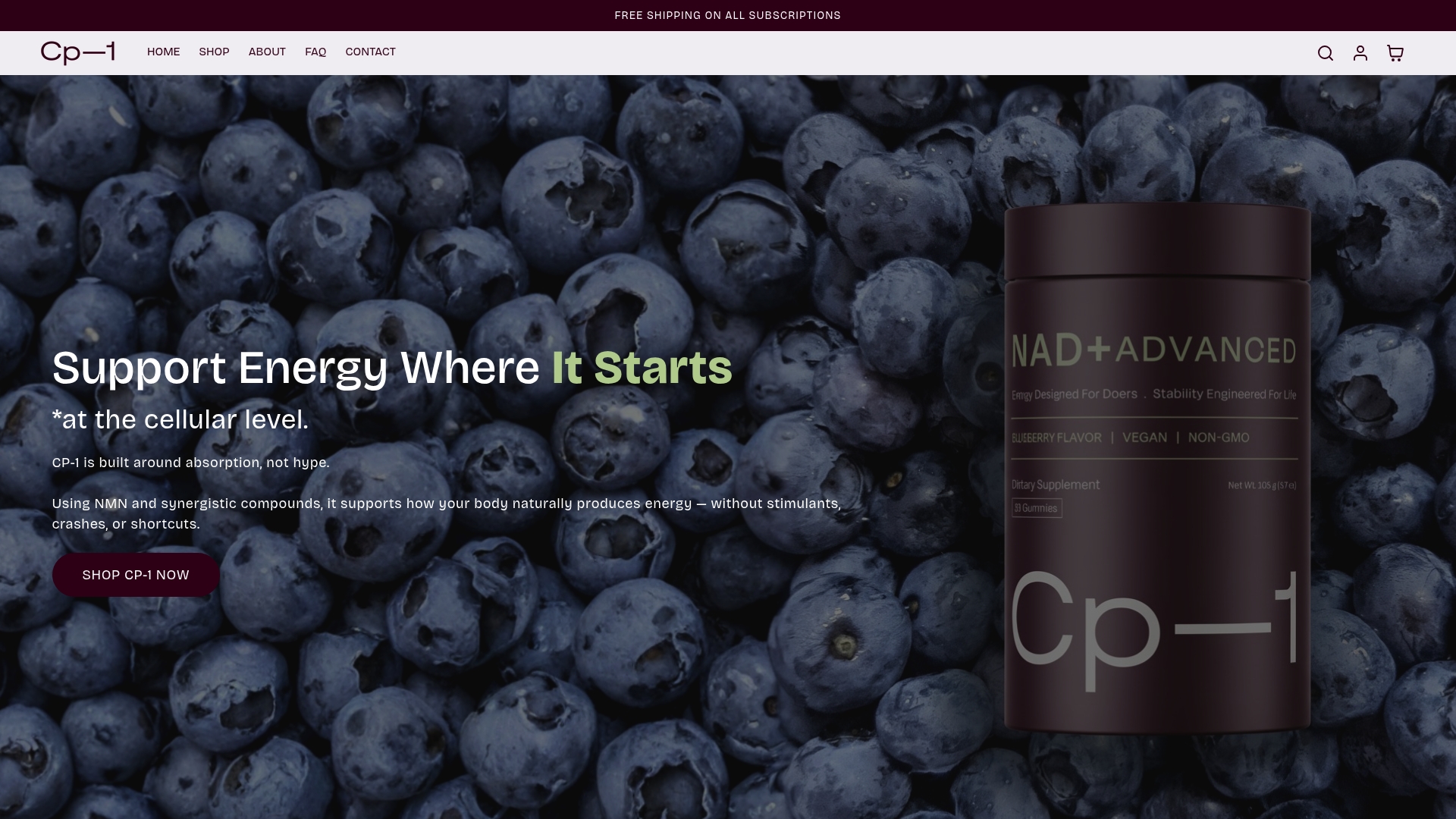
Cp-1 publishes detailed guides on daily wellness workflows, supplement quality standards, and the science behind cellular energy support. If you are ready to go deeper on supplementation, the longevity supplements checklist breaks down exactly which compounds have the strongest evidence for long-term health. Cp-1’s own formula, built around NMN, lion’s mane, reishi, turkey tail, and CoQ10, is designed to support NAD+ production, mitochondrial energy, and immune resilience. Every ingredient is third-party tested, vegan, non-GMO, and manufactured in the US. No garbage, no proprietary blends, no guessing about what you are actually taking.
FAQ
What is a whole body wellness checklist?
A whole body wellness checklist is a structured set of daily and weekly habits covering sleep, hydration, movement, nutrition, mental health, and supplementation. It functions as a personal health assessment tool that you review and adjust regularly.
How many habits should a beginner include?
Start with 2–3 core habits and build gradually. Attempting too many habits at once leads to burnout within weeks. Sleep, morning hydration, and 15 minutes of movement are the strongest starting three.
Which supplements belong on a wellness supplement beginner checklist?
Vitamin D3 + K2, Magnesium glycinate or malate, and Omega-3 (EPA/DHA) are the three foundational supplements for most adults. Confirm your levels with lab testing before starting any of them.
How long before supplements show results?
Most foundational supplements require 8–12 weeks to produce measurable changes in energy, sleep, or immune function. Track outcome signals weekly to detect progress before lab results confirm it.
How do I personalize my holistic health checklist?
Track both your daily habits and your outcome signals, such as energy, mood, and sleep quality, then review the data weekly. Drop habits that show no improvement after four weeks and replace them with one new experiment.