

Why US-Based Production Matters for Quality and Safety
US-based production is defined as the domestic manufacturing of goods within the United States under federal and state regulatory oversight, with supply chains that remain traceable, auditable, and legally accountable. For consumers who care about what goes into the products they buy, that definition carries real weight. Offshore manufacturing may look cheaper on a spec sheet, but the full picture tells a different story. Over 60% of consumers actively seek US-origin products, and 83% say they will pay up to 20% more for them. That preference is not nostalgia. It is a rational response to documented differences in quality, safety, and environmental accountability.
Why US-based production delivers better quality and safety
Domestic manufacturing operates under a fundamentally different regulatory environment than most offshore alternatives. The FDA, OSHA, and EPA set enforceable standards that apply to every facility on US soil. That means a supplement, a mattress, or a steel component made in the US has been produced under conditions that can be inspected, audited, and legally challenged if they fall short. Offshore facilities in many countries face no equivalent enforcement.
The precision advantage is measurable. Advanced automation at facilities like Marlin Steel achieves tolerances as tight as ±0.005 to 0.015 inches, with robotics that reduce scrap rates and defect escapes significantly. That level of consistency is not accidental. It is the product of skilled labor, maintained equipment, and quality systems that US manufacturers are legally required to document. For health supplements specifically, that precision matters at the ingredient level, where dosing accuracy directly affects whether a product works or does nothing.
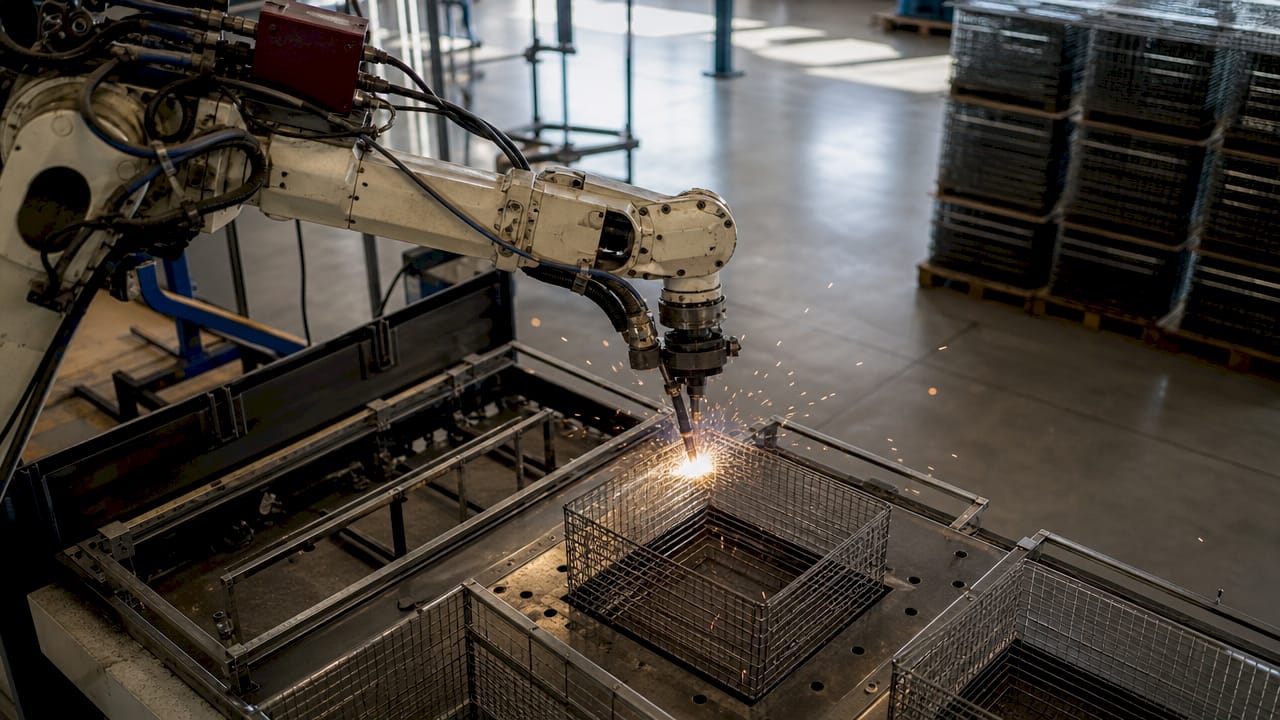
US production also shortens the feedback loop between engineering and manufacturing. When your design team and your production floor are in the same time zone, or the same building, problems get caught before they ship. Co-location accelerates new product timelines by weeks to months compared to offshore arrangements where a design flaw might not surface until a container arrives at port. That speed advantage reduces defect escape risk and improves the final product you receive.
Intellectual property protection is another concrete benefit. Domestic production reduces IP leakage risk by over 90% compared to offshore manufacturing. For brands investing in proprietary formulas, novel ingredients, or patented processes, that protection is not theoretical. It is the difference between owning your innovation and watching it copied.
- Stricter FDA, OSHA, and EPA oversight applies to every US facility
- Precision tolerances as tight as ±0.005 inches reduce defect rates
- Co-located engineering and production teams catch design flaws faster
- IP protections reduce product leakage risk by over 90%
- Third-party testing and quality assurance standards are easier to enforce domestically
Pro Tip: When evaluating any US-made product, ask whether the manufacturer publishes third-party test results. Domestic facilities that operate under FDA oversight are far more likely to provide that documentation than offshore alternatives.
What are the real cost differences between US and offshore production?
The sticker price comparison between US and offshore manufacturing is misleading. Offshore unit prices appear 30 to 40% lower on paper, but total landed cost calculations consistently show that domestic production becomes cheaper once freight increases 20% or tariffs double. Those two conditions have both occurred in recent years, and neither shows signs of permanent reversal.
The hidden costs of offshoring stack up fast. Freight volatility, customs delays, quality rework on defective shipments, and the capital tied up in months of safety stock all erode the apparent savings. A company sourcing from overseas typically needs to carry 90 to 120 days of inventory to buffer against supply disruptions. A domestic supplier can often deliver in days or weeks, which frees up cash and reduces warehouse costs.
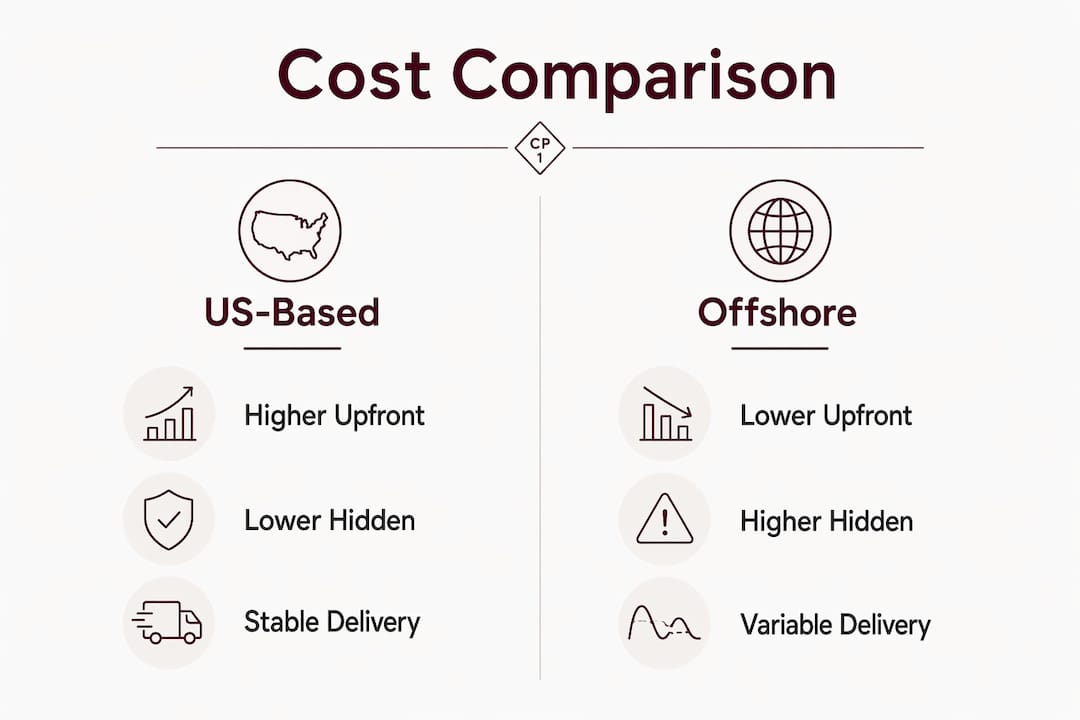
| Cost Factor | US-Based Production | Offshore Production |
|---|---|---|
| Unit price | Higher upfront | Lower upfront |
| Freight and tariffs | Minimal | Significant and volatile |
| Inventory carrying cost | Low (faster lead times) | High (90+ day buffer stock) |
| Defect rework cost | Low (tighter QC) | High (defect escape risk) |
| Supply chain disruption risk | Low | High |
| Total landed cost | Competitive to lower | Often higher than expected |
Supply chain disruptions drop 30 to 50% when companies reshore production, and delivery reliability improves measurably. That reliability translates directly into fewer stockouts, fewer emergency air freight bills, and fewer disappointed customers. For a health supplement brand, running out of stock because a container is stuck at a port is not just a logistics problem. It is a trust problem.
Pro Tip: Before comparing unit prices, ask your supplier for a total landed cost breakdown that includes freight, duties, expected rework rates, and inventory carrying costs. That single calculation often changes the decision entirely.
The surge in US manufacturing is driven by exactly this kind of analysis. Companies like Walmart have committed to reshoring billions in domestic sourcing not out of patriotism, but because the numbers work when you count everything.
How does US production support environmental sustainability?
Shorter supply chains produce fewer emissions. That is not a marketing claim. It is physics. A product manufactured in Ohio and shipped to a customer in Chicago travels a fraction of the distance of one manufactured in Southeast Asia and shipped across the Pacific. Local production eliminates long-distance shipping and benefits from the US’s comparatively stronger environmental standards at the facility level.
US environmental regulations require manufacturers to manage waste, limit emissions, and document their environmental impact in ways that many offshore jurisdictions do not. The EPA’s Clean Air Act and Clean Water Act create a compliance floor that raises the baseline for every domestic facility. When you buy a product made in the US, you are buying something produced under those standards. When you buy offshore, you are often buying something produced under no equivalent constraint.
The sustainability advantage extends to supply chain auditing. A brand that manufactures domestically can visit its facility, inspect its processes, and verify its ESG claims without a 14-hour flight and a language barrier. That auditability matters to consumers who are serious about sustainability. It also matters to brands that want to make credible claims rather than vague ones.
- Shorter shipping distances reduce transportation emissions directly
- EPA and state environmental regulations enforce cleaner production processes
- Domestic facilities are easier to audit for ESG compliance
- Waste management standards are legally enforced, not voluntary
- Consumers increasingly reward brands with verifiable sustainability practices
The consumer side of this equation is clear. Over 83% of consumers are willing to pay a premium for sustainably sourced products, and domestic production is one of the most credible signals a brand can offer. It is traceable, auditable, and regulated in ways that offshore “eco-friendly” claims often are not.
What community and economic benefits come from US-made products?
Every US manufacturing job supports four times as many secondary jobs locally compared to other sectors. That multiplier effect means a single factory in a mid-sized American city generates economic activity well beyond its own payroll. Suppliers, logistics providers, local restaurants, and service businesses all benefit. Manufacturing also contributes 76% greater value-added per job and funds 1,288% more R&D per job than the services sector.
The economic output numbers are concrete. US manufacturing generates $2.74 in economic output for every dollar spent and adds 1.6 jobs per manufacturing position. That is not a rounding error. It is a structural advantage that compounds over time as wages circulate through local economies and R&D investment produces new products and processes.
National security is part of this picture too. The COVID-19 pandemic exposed what happens when critical supply chains are entirely offshore. PPE shortages, pharmaceutical ingredient bottlenecks, and semiconductor scarcity all traced back to the same root cause: decades of offshoring had eliminated domestic production capacity in sectors that turned out to be strategically critical. Rebuilding that capacity is not just good economics. It is risk management.
- One manufacturing job creates four times as many secondary local jobs
- US manufacturing generates $2.74 in output per dollar spent
- Higher wages in manufacturing support stronger local tax bases
- Domestic capacity reduces national vulnerability to supply chain shocks
- Government incentives including the CHIPS Act and Inflation Reduction Act are actively funding reshoring
Consumer loyalty follows domestic production too. Brands that manufacture in the US consistently score higher on trust and quality perception. That brand equity is real and durable, and it compounds over time in ways that cost-cutting offshore strategies rarely do.
Key takeaways
US-based production delivers measurably better quality, lower total costs when all factors are counted, stronger environmental accountability, and broader community benefits than offshore alternatives.
| Point | Details |
|---|---|
| Quality and safety advantage | US regulatory oversight and precision automation reduce defects and protect consumers directly. |
| True cost comparison | Offshore unit prices appear lower, but total landed costs often favor domestic production once freight, tariffs, and rework are included. |
| Environmental accountability | Shorter supply chains and EPA-enforced standards make US production the more credible sustainability choice. |
| Economic multiplier | Every US manufacturing job supports four times as many secondary local jobs and generates $2.74 in output per dollar spent. |
| Consumer preference | Over 83% of consumers will pay up to 20% more for US-made products, reflecting genuine trust in domestic quality standards. |
Why I stopped accepting “made overseas” as the default
I spent years looking at supplement labels that said nothing meaningful about where or how they were made. The ingredients list looked fine. The marketing copy was polished. But when I started asking real questions about manufacturing conditions, testing protocols, and supply chain traceability, the answers were either vague or nonexistent. That is not a coincidence. It is a business model built on consumer indifference.
What changed my thinking was not ideology. It was data. When you actually run the numbers on total landed cost, defect rates, and supply chain reliability, domestic production wins more often than the conventional wisdom suggests. And when you layer in the regulatory protections, the IP security, and the environmental accountability, the case gets stronger. The brands I trust most are the ones that can tell me exactly where their product was made, under what conditions, and by whom. That level of transparency is far easier to deliver when your supply chain is domestic.
The consumer shift toward US-made supplements and goods is not a trend driven by tariff anxiety. It is a rational recalibration. People are tired of buying products that underdeliver because the manufacturer optimized for margin, not for the person using the product. US-based production does not guarantee quality, but it creates the conditions under which quality is far more likely to exist and far easier to verify.
My honest recommendation: treat domestic manufacturing as a quality signal worth paying attention to, not a premium you are being asked to absorb. The difference in what you get is usually worth more than the difference in what you pay.
— Hugo
How Cp-1 puts US-based production into practice
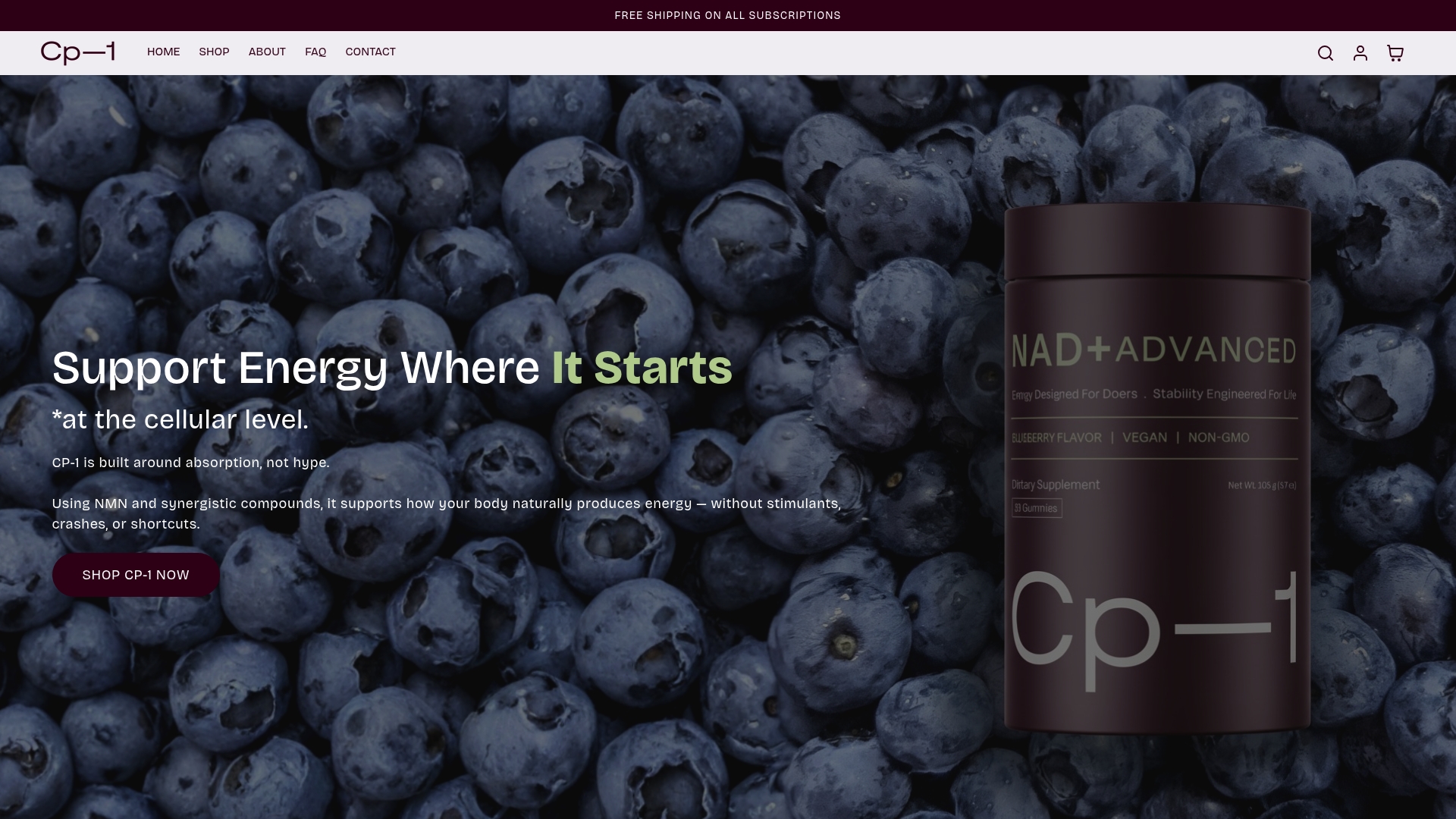
Cp-1 is built on the premise that what goes into a supplement matters as much as what the label claims. Every batch of CP-1 is manufactured in the US under strict quality controls, with third-party testing that verifies potency and purity before anything ships. Ingredients like NMN, lion’s mane, reishi, turkey tail, and CoQ10 are sourced and processed under conditions you can actually verify, not just trust on faith. If you have been burned by supplements that promised results and delivered nothing, the difference starts with where and how they are made. Explore CP-1’s formulation and standards to see what domestic manufacturing transparency looks like in practice.
FAQ
What makes US-based production safer than offshore manufacturing?
US facilities operate under FDA, OSHA, and EPA oversight with legally enforceable standards. Offshore manufacturers in many countries face no equivalent regulatory framework, which creates meaningful gaps in quality control and consumer protection.
Is US manufacturing actually more expensive than overseas production?
Not when you count everything. Offshore unit prices appear 30 to 40% lower, but total landed costs including freight, tariffs, rework, and inventory carrying costs often make domestic production equally competitive or cheaper, especially when supply chains are disrupted.
How does US production reduce environmental impact?
Shorter supply chains eliminate long-distance ocean freight, which cuts transportation emissions directly. US facilities also operate under EPA regulations that enforce waste management and emissions limits that many offshore jurisdictions do not require.
Why do consumers prefer US-made products?
Over 83% of consumers are willing to pay up to 20% more for US-made goods, driven by trust in domestic quality standards, regulatory oversight, and supply chain transparency. That preference reflects real experience with the quality gap between domestic and offshore products.
Does buying US-made products actually support local jobs?
Yes, directly and indirectly. Every US manufacturing job supports four times as many secondary local jobs, and US manufacturing generates $2.74 in economic output for every dollar spent, making domestic purchasing one of the most effective ways to support local economies.