

Top Wellness Tips 2026: What Actually Moves the Needle
If you want the top wellness tips for 2026 in one sentence, here they are: sleep on a consistent schedule, move your body daily with real strength work mixed in, regulate your nervous system before you try to optimize it, pick one small habit instead of ten, eat mostly plants and less processed sugar, stay connected to real people, prioritize recovery and preventive care, and put your phone down more than you pick it up. None of that is flashy; that’s the point.
The Global Wellness Summit named nervous-system regulation, not another biohacking gadget, as one of the defining wellness trends heading into 2026. Health experts at the University of Miami’s UHealth system make a similar case: small, boring, repeatable changes beat dramatic January resets almost every time. Here’s what each of these priorities actually means and how to act on them.
- Sleep anchors everything else on this list. Skip it and the rest gets harder.
- Movement plus strength work protects your brain and your bones, not just your waistline.
- Nervous-system regulation is the 2026 shift: training your body’s stress response, not just managing symptoms.
- One small habit at a time sticks. Ten habits at once usually collapse by week three.
- Mostly-plant nutrition with fewer processed sweeteners supports your gut and your energy.
- Real social connection protects mental health as much as any supplement or app.
- Recovery and preventive care catch problems early and help your body actually absorb the work you’re putting in.
Key Takeaways
Sustainable wellness in 2026 comes from stacking a few small, evidence-backed habits, sleep, movement, nervous-system regulation, and connection, rather than chasing constant optimization.
| Point | Details |
|---|---|
| Sleep comes first | Fix a consistent sleep and wake schedule before adding any other wellness habit. |
| Move daily, lift weekly | Combine regular activity with two to three strength sessions to protect long-term function. |
| Regulate before you optimize | Use box breathing or vagal toning to calm your nervous system before chasing performance gains. |
| Choose one habit at a time | Small, anchored changes stick far longer than dramatic full-lifestyle overhauls. |
| Support cellular energy with CP-1 | CP-1’s NMN and mushroom-based formula offers optional extra support once core habits are in place. |
This article is general information, not a substitute for advice from a qualified doctor. Consult a qualified healthcare professional about your own circumstances before acting on anything here.
Table of Contents
- Prioritize Quality Sleep as Your Top Wellness Tip for 2026
- Move More and Add Strength Work, Not Just Cardio
- Regulate Your Nervous System Before You Try to Optimize It
- Eat Mostly Plants and Rethink Your Sweeteners
- Pick One Small Habit and Make It Stick
- Protect Your Mental Health Through Real Connection
- Build a Recovery Stack Without Overspending on It
- Make Preventive Care Part of Your Wellness Plan
- Hydration and Its Impact on Wellness
- Stress Management Techniques Beyond Nervous-System Regulation
- Importance of Outdoor Time and Nature Exposure
- Personalized Wellness Through Tracking and Biofeedback
- Setting Realistic Goals and Practicing Self-Compassion
- A Realistic Week: My Take on Combining These Habits
- Where CP-1 Fits Into Your 2026 Wellness Routine
- Sources
Prioritize Quality Sleep as Your Top Wellness Tip for 2026
Sleep is not a wellness add-on. It’s the mechanism that makes every other habit on this list work. The CDC links chronic sleep insufficiency to higher risk of cardiovascular disease, metabolic dysfunction, cognitive decline, and mood disorders. That’s a wide net, and it’s exactly why sleep sits at the top of nearly every credible 2026 wellness list, including guidance from UHealth.
You don’t need a $400 mattress to fix this. You need consistency.
- Go to bed and wake up within roughly the same time window, even on weekends.
- Keep your bedroom cool and genuinely dark, not just dim.
- Cut screens 30 to 45 minutes before bed, or at minimum dim them and switch off notifications.
- Try a short breathing wind-down (more on that below) instead of scrolling.
Pro Tip: If you sleep eight hours and still wake up exhausted, or your partner mentions loud snoring or gasping, ask your doctor about a sleep apnea screening before you try another supplement. Some sleep-support ingredients have decent evidence behind them, but they work best as a backup to good sleep hygiene, never as a replacement for it.
Move More and Add Strength Work, Not Just Cardio
The 2026 movement consensus isn’t about grinding through punishing workouts. It’s about consistent, enjoyable activity most days, with dedicated strength work layered in two or three times a week. The CDC points to regular physical activity as a direct support for brain health and a reducer of chronic disease risk, and a large review of more than 1.2 million adults found consistent exercise associated with meaningfully better self-reported mental health.
- Walk daily, even in short bursts. Ten minutes after each meal adds up faster than one long weekend hike.
- Add two to three resistance sessions weekly, bodyweight squats, push-ups, and rows count.
- Take the stairs, carry your own groceries, or try rucking with a loaded backpack on regular walks.
- Progress slowly. Add reps or weight in small increments rather than jumping distance or intensity all at once.
Pro Tip: If a joint aches for more than 48 hours after a session, back off intensity before you back off consistency. Showing up matters more than any single workout.
Regulate Your Nervous System Before You Try to Optimize It
This is the real shift for 2026. The Global Wellness Summit put nervous-system regulation and neurowellness at the center of its 2026 trends report, framing the vagus nerve as core to resilience rather than a niche biohacker topic. The idea isn’t just to lower your baseline stress. It’s to widen your capacity to shift out of a stress state quickly when life throws something at you.
You can practice this in minutes, no equipment required.
- Box breathing: inhale for four counts, hold for four, exhale for four, hold for four. Repeat for two minutes.
- Vagal toning through humming: a long, low hum for 30 to 60 seconds stimulates the vagus nerve directly.
- Somatic grounding: name five things you see, four you hear, three you can touch. It interrupts a spiral fast.
Pro Tip: These practices calm an activated nervous system in the moment, but they aren’t a substitute for treatment if anxiety or stress feels constant and unmanageable. If that’s your baseline rather than the exception, talk to a mental-health professional.
Eat Mostly Plants and Rethink Your Sweeteners
Nutrition advice gets complicated fast, but the 2026 consensus stays refreshingly simple: eat mostly plants, cut back on ultra-processed food, and reconsider your relationship with non-nutritive sweeteners. Clinical guidance summarized by UHealth notes that these sweeteners can alter gut microbiome balance and trigger GI symptoms in some people, which is a good enough reason to scale back even without a formal diagnosis.
Build most meals around vegetables, legumes, and whole grains, then add lean protein and healthy fats like olive oil, nuts, and fatty fish. Batch-cooked beans and frozen vegetables are cheaper than most processed snack aisles, not more expensive, despite what “eating healthy is pricey” myths suggest.
- Swap diet soda for sparkling water with citrus.
- Replace one processed snack a day with fruit and a handful of nuts.
- Cook one more meal at home per week than you currently do.
Omega-3s and magnesium are two supplements with a reasonable evidence-to-cost ratio for most adults. Medical weight-loss drugs are a different category entirely: they’re clinical interventions prescribed and monitored by a physician, not a wellness habit you adopt on your own.
Pick One Small Habit and Make It Stick
Consistency beats intensity. This isn’t a slogan, it’s the throughline of behavior-change research and the exact advice health systems like UHealth give for setting realistic 2026 goals: small, sustainable steps like a modest amount of daily strength work or a fixed sleep window, not a total lifestyle overhaul on January 1.
Here’s a three-step framework that actually works:
- Choose one anchor habit tied to something you already do daily, like brushing your teeth or making coffee.
- Define the smallest possible first step. Not “meditate for 20 minutes,” but “take three breaths before your coffee brews.”
- Schedule it and track it simply. A checkmark on a calendar is enough. You don’t need an app for this.
Two examples you could start this week: a two-minute stretch right after you get out of bed, or drinking one full glass of water before your first cup of coffee.
Pro Tip: If a habit feels hard after two weeks, the habit is too big. Shrink it further rather than pushing through.
Protect Your Mental Health Through Real Connection
Isolation is quietly one of the biggest threats to wellness, and it’s also one of the easiest to address in small doses. You don’t need a weekly support group to move the needle, though those help too. You need repeated, low-stakes contact with other people.
Try a regular micro-connection habit: text a friend something specific instead of a generic “how are you,” compliment a coworker, or call a family member for five minutes instead of texting. Pair that with a short self-compassion practice when you’re hard on yourself. Something as simple as asking “would I say this to a friend?” before you spiral into self-criticism resets the moment.
- Reach out to one person daily, even briefly.
- Say one kind thing out loud to someone else each day.
- Notice when your internal voice is harsher than you’d allow toward anyone else, and correct it.
If low mood, anxiety, or hopelessness persist for more than two weeks and start affecting your work or relationships, that’s a signal to talk to a professional, not just push through with more journaling.
Build a Recovery Stack Without Overspending on It
“Recovery stack” sounds like marketing language, and often it is, but the underlying idea is sound: layering practices that help your body absorb the stress of training and daily life rather than just accumulate it. Sleep is the base of that stack, full stop. Everything else, contrast therapy, sauna, red light, sits on top of it, not in place of it.
- Sleep first. No recovery tool compensates for chronic sleep debt.
- Hot and cold contrast (a warm shower followed by 30 to 60 seconds of cold) is low-cost and worth testing for yourself.
- Red light and other newer tools are gaining popularity as part of the 2026 recovery stack trend, but the evidence is still developing, so treat them as optional extras, not essentials.
Before spending money on any recovery tool, ask whether your sleep and basic movement habits are solid first. If they’re not, that’s where your budget and attention belong.
Make Preventive Care Part of Your Wellness Plan
Wellness habits matter, but they don’t replace a relationship with a primary care provider. Preventive care is the part of this list that’s easiest to skip and most costly to skip long term.
- Schedule an annual physical, even if you feel fine. Blood pressure, cholesterol, and blood sugar checks catch problems years before symptoms show up.
- Stay current on age-appropriate screenings like colonoscopies, mammograms, or skin checks based on your personal and family risk factors.
- Keep immunizations up to date, including annual flu shots and any boosters your doctor recommends.
Personalize this by family history. If heart disease or diabetes runs in your family, your screening schedule should start earlier than generic guidelines suggest. Persistent fatigue, unexplained weight change, or new pain that doesn’t resolve in a couple of weeks are red flags worth a same-week appointment, not a “wait and see.” Treat your primary care provider as the hub coordinating everything else on this list, not an afterthought you visit once symptoms show up.
Hydration and Its Impact on Wellness
Hydration doesn’t get the same headline treatment as sleep or nervous-system regulation, but it touches nearly everything else on this list. Mild dehydration, even at levels many people don’t notice as thirst, is associated with reduced concentration, lower mood, and increased fatigue. If you’ve ever hit a 3 p.m. slump and reached for coffee when a glass of water would have done more, you’ve felt this firsthand.
Your hydration needs shift with activity level, climate, and body size, so a single universal number doesn’t serve everyone equally well. A more useful gauge: check your urine color. Pale yellow generally signals adequate hydration; dark yellow is a sign to drink more. Thirst itself is a lagging indicator, by the time you feel thirsty, you’re often already mildly dehydrated.
Practical habits beat rigid tracking here. Keep a water bottle visible on your desk rather than in a bag. Drink a full glass before your morning coffee, since coffee has a mild diuretic effect that can compound overnight fluid loss. Add water-rich foods like cucumbers, watermelon, and citrus to meals, especially if you struggle to drink enough plain water.
Electrolytes matter more than most people think, particularly if you sweat heavily during exercise or live somewhere hot. Plain water alone can’t replace sodium and potassium lost through sweat, so a pinch of salt in water or an electrolyte packet after a hard workout supports better recovery than water alone. This isn’t a call to buy expensive sports drinks daily. It’s a reminder that hydration is about more than just volume.
Stress Management Techniques Beyond Nervous-System Regulation

Breathwork and vagal toning handle the physiological side of stress in the moment, but they don’t address what’s actually causing chronic stress in the first place. That requires a different set of tools, more structural, less physiological.
Time boundaries are one of the most underused stress management tools available. Blocking off specific hours for focused work, and just as importantly, specific hours where work is genuinely off-limits, reduces the low-grade stress of feeling perpetually “on.” This is different from a nervous-system exercise; it’s a lifestyle boundary that prevents the stress from accumulating in the first place.
Journaling gives you a structured way to externalize what’s cycling in your head. You don’t need elaborate prompts. Writing down what’s stressing you and one small action you can take tomorrow is often enough to quiet racing thoughts before bed.
Cognitive reframing helps when stress comes from how you’re interpreting a situation rather than the situation itself. Asking “will this matter in a year?” or “what would I tell a friend in this position?” creates just enough distance to respond instead of react.
Physical decompression through activities unrelated to your stressor, cooking, gardening, playing an instrument, gives your brain a genuine break rather than a distraction that still taxes attention (like scrolling does).
Professional support matters when stress becomes chronic rather than situational. Therapy, particularly cognitive behavioral approaches, gives you tools that self-directed practices can’t fully replicate. If stress is affecting your sleep, relationships, or work performance for weeks at a time, that’s the signal to bring in outside support rather than adding another self-help technique to the pile.
Importance of Outdoor Time and Nature Exposure
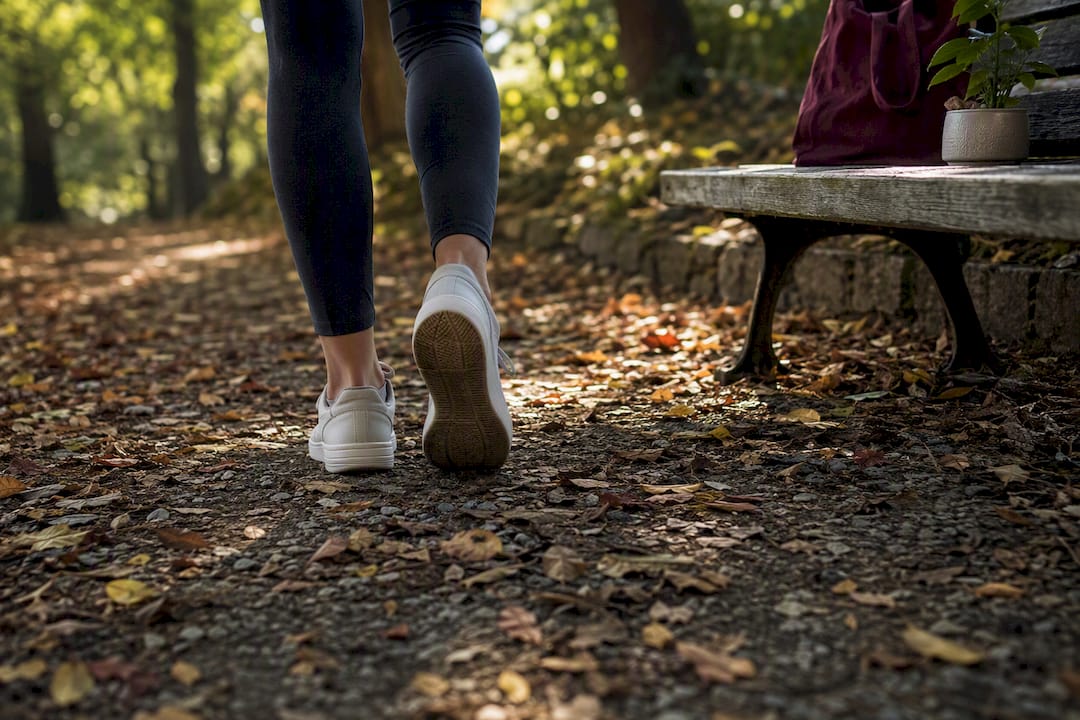
Getting outside is one of the simplest, least expensive wellness interventions available, and it’s consistently underused. You don’t need a wilderness retreat. A 15 to 20 minute walk in a park, or even sitting outside during lunch, delivers measurable benefits to mood and stress levels that indoor time doesn’t replicate as reliably.
Part of this comes down to light exposure. Natural daylight, especially in the morning, helps regulate your circadian rhythm, the same internal clock that governs your sleep quality. Getting outside within an hour of waking, even on a cloudy day, sends a stronger signal to your body than staring at a screen indoors does. That’s a direct link back to the sleep habits covered earlier: better daytime light exposure supports better nighttime sleep.
Nature exposure also appears to lower the physiological stress response in ways urban environments don’t. You don’t need to fully unplug in the wilderness to get this benefit, though a weekend hike certainly counts. A short walk near trees, a lunch break on a park bench, or tending a small garden all count as legitimate wellness practices, not just leisure activities.
Combine outdoor time with movement whenever you can. Walking outside instead of on a treadmill checks two boxes from this list at once: physical activity and nature exposure. If your schedule is tight, even five minutes standing outside without your phone, just noticing the sky or the temperature, interrupts the indoor, screen-heavy default that most days default to.
Personalized Wellness Through Tracking and Biofeedback
Wearables and biofeedback tools have matured past step counters. Heart rate variability, sleep staging, and continuous glucose data now give people direct feedback on how specific habits affect their own body, not a generic population average. That personalization is genuinely useful, when it’s used correctly.
The trap is over-tracking. Interestingly, one of the more notable countertrends heading into 2026 is a pullback toward moving and resting without tracking everything, a direct response to data fatigue from years of quantifying every metric available. If checking your recovery score every morning is making you more anxious about your body rather than more informed, the tool has stopped serving you.
Use tracking data as a mirror, not a scoreboard. If your heart rate variability consistently drops after nights with less than six hours of sleep, that’s useful, actionable information. If you’re adjusting your entire day based on a single number from an app, you’ve likely crossed from informed into obsessive. The goal is noticing patterns over weeks, not reacting to daily fluctuations that are often just noise.
Pro Tip: Pick one metric that matters most to you, like sleep consistency or resting heart rate, and check it weekly instead of daily. You’ll get the personalization benefit without the anxiety spiral.
If you don’t own a wearable, simple manual tracking works too. A one-line daily note on energy, mood, and sleep quality often reveals patterns just as clearly as a device does, without the cost or the notification pressure.
Setting Realistic Goals and Practicing Self-Compassion
Most wellness plans fail not because the habits are wrong, but because the goals are too big and the self-talk around missing them is too harsh. If you set out to overhaul your sleep, diet, exercise, and stress management simultaneously on January 1, you’re not building a sustainable plan. You’re setting up a predictable crash by February.
Realistic goal-setting starts with picking one or two priorities from this entire list, not all of them at once. If sleep is genuinely your weakest link, fix that first before you add a strength-training program on top of it. Trying to fix everything simultaneously usually means fixing nothing well.
Self-compassion isn’t a soft add-on to goal-setting, it’s a functional requirement for consistency. When you miss a workout or eat poorly for a few days, the instinct is often to spiral into all-or-nothing thinking: “I already ruined it, might as well stop.” That thought pattern is far more damaging to long-term consistency than the missed workout itself. Research on behavior change consistently favors self-compassionate framing over punitive self-talk for sustaining habits over months, not just days.
Practically, this looks like treating a missed day as data rather than failure. Ask what got in the way, adjust the plan slightly, and continue the next day without treating it as evidence you can’t do this. Progress in wellness rarely looks like a straight line. It looks more like a slow upward trend with plenty of dips along the way, and that’s normal, not a sign you’re doing it wrong.
A Realistic Week: My Take on Combining These Habits
Trying to implement everything on this list simultaneously is the fastest way to abandon all of it by Thursday. Here’s a version that actually fits into a real week: a consistent sleep and wake time every day, a few strength sessions and some short nervous-system practices (a two-minute box breathing session works fine for all three), and one nutrition swap, say, sparkling water instead of soda.
That’s it. Four categories, minimal complexity, none of it dependent on perfect willpower.
My honest opinion after looking at how these trends actually play out: the biggest failure mode in 2026 wellness culture isn’t lack of information, it’s over-optimization. People stack five trackers, three supplements, and a rigid morning routine, then abandon all of it within a month because it’s exhausting to maintain. Track only what changes your mood or your energy in a way you can actually feel. Ignore the rest. If you want more structured ideas on sequencing habits like this, Cp-1’s longevity guide walks through a similar step-by-step approach.
Where CP-1 Fits Into Your 2026 Wellness Routine
Lifestyle habits, sleep, movement, nervous-system regulation, do the heaviest lifting in any wellness plan, and nothing replaces them. But if you’re already doing that work and looking for extra support at the cellular level, that’s the specific gap CP-1 was built to fill.
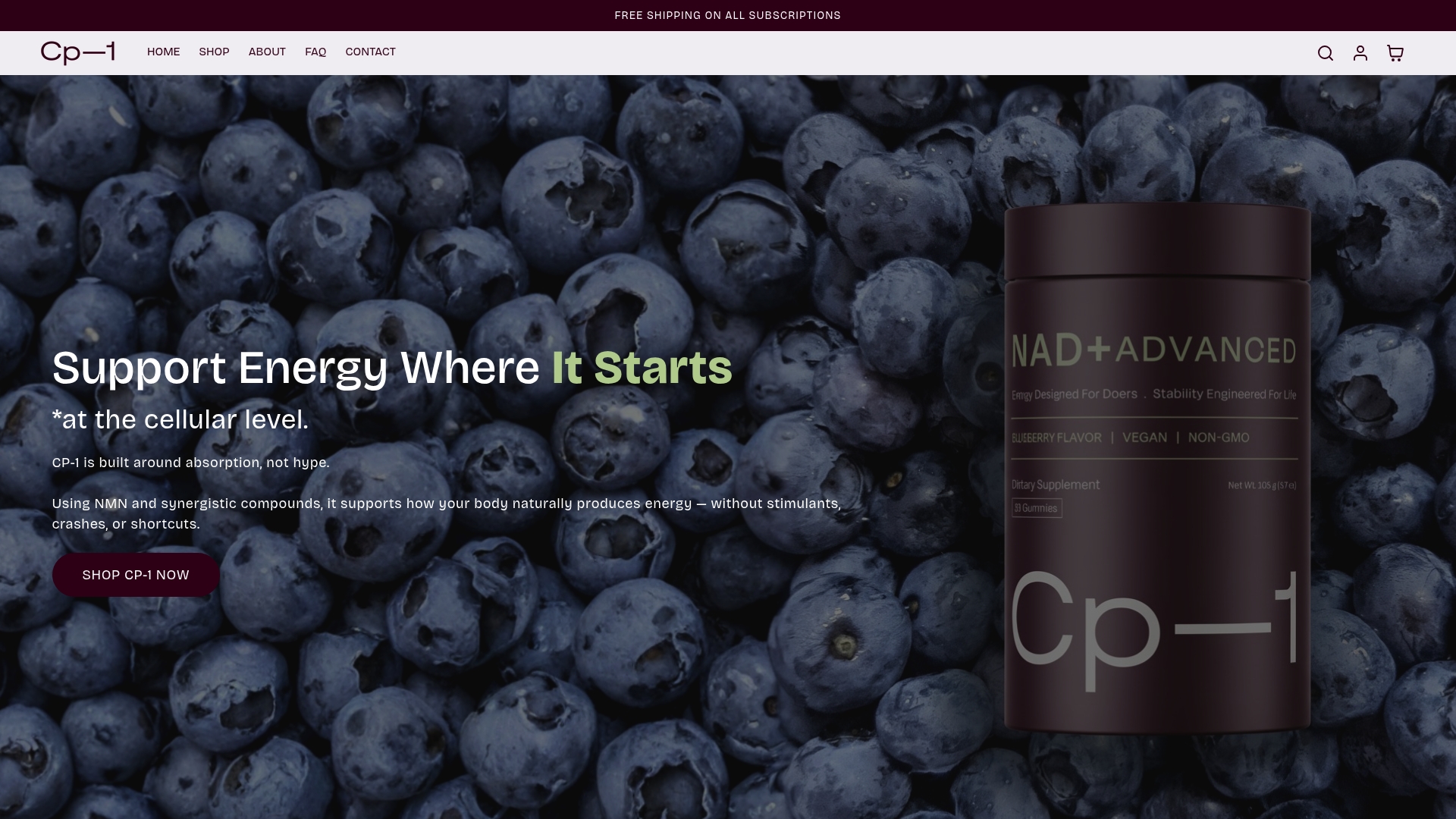
CP-1 is a chewable gummy built around NMN, lion’s mane, reishi, turkey tail, and CoQ10, ingredients chosen to support NAD+ production, mitochondrial energy, cognitive clarity, and immune resilience. It’s made in the US under GMP-certified manufacturing, third-party tested, and formulated vegan and non-GMO, with an emphasis on honest dosing over flashy claims. This isn’t a replacement for sleep or exercise, and it never will be. Think of it as backup for the cellular energy and mental clarity side of wellness, useful once your foundational habits are already in place. If steady, sustained energy without a stimulant crash sounds like something missing from your current routine, visit CP-1’s product page to see the full ingredient breakdown and decide if it fits your 2026 plan.
Sources
- Global Wellness Summit releases 10 wellness trends for 2026
- Make 2026 your healthiest year yet | UHealth Collective
- About sleep | CDC