

Why Optimize Wellness: Benefits for Life and Longevity
Wellness optimization is defined as the deliberate, data-informed process of enhancing your biological function beyond simply avoiding disease. The goal is measurable improvement in physical vitality, cognitive performance, and long-term resilience. A 2026 NIH survey shows 58% of adults want to use wearables to monitor health, and 44.6% want more involvement in their own healthcare decisions. That shift reflects a growing understanding that passive health management leaves real performance on the table. Understanding why optimize wellness matters starts with recognizing that your body is not just a system to maintain. It is a system you can actively improve, at the cellular level, through consistent and targeted choices.
Why optimize wellness: the core strategies that actually work
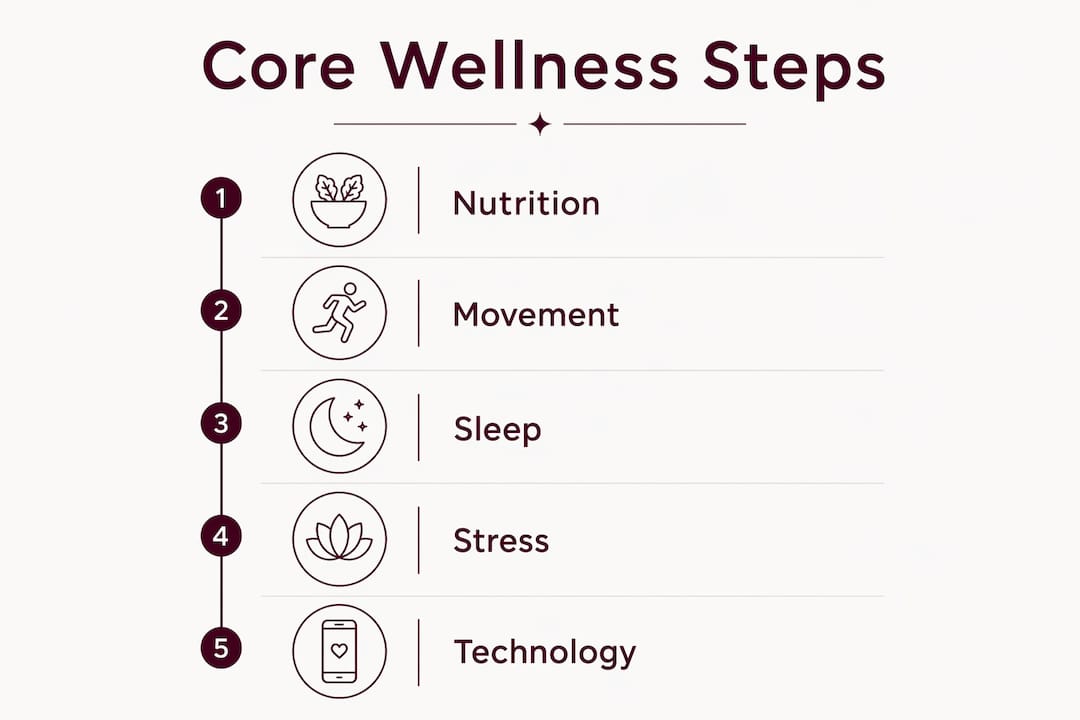
The foundation of any effective wellness program rests on four pillars: nutrition, movement, sleep, and stress management. Each one directly influences the others. Neglect one, and the rest underperform.
Nutrition that supports biological function
Whole foods, adequate protein intake, and time-restricted eating are the three most evidence-supported nutritional levers. Protein supports muscle repair and satiety. Time-restricted eating, typically an 8–10 hour eating window, aligns food intake with circadian rhythms and supports metabolic flexibility. Mitochondrial efficiency and metabolic flexibility are direct targets of nutrition-based optimization, meaning what you eat affects how well every cell in your body produces energy.
Movement: consistency beats intensity
Strength training, cardiovascular work, and mobility practice each serve distinct biological roles. Strength training preserves muscle mass and bone density. Cardio supports heart and lung efficiency. Mobility work protects joints and reduces injury risk. The research is clear: consistency across all three categories outperforms any single high-intensity approach done sporadically.
Sleep as a performance variable
Sleep is not recovery time. It is active biological repair. Duration matters, but consistency matters more. Going to bed and waking at the same time daily stabilizes cortisol rhythms, supports memory consolidation, and regulates appetite hormones. A disrupted sleep schedule undermines every other wellness effort you make.

Stress management techniques with real evidence
4-7-8 breathing reduces anxiety within minutes by activating the parasympathetic nervous system. Ten minutes of daily mindfulness practice improves focus and emotional regulation over time. These are not soft suggestions. They are clinically supported tools that directly affect your body’s stress response.
Pro Tip: Start with just one stress management technique and practice it at the same time each day for 30 days before adding another. Consistency with one tool beats rotating through five.
Technology as a feedback tool
Wearables like fitness trackers and continuous glucose monitors give you real data on sleep quality, heart rate variability, and activity levels. The key word is “feedback,” not “control.” Use the data to spot patterns, not to chase perfect numbers. The iterative cycle of measure, intervene, remeasure, and refine is how habits compound into lasting results.
How do interconnected health domains shape overall wellness?
Your body does not operate in isolated departments. Physical health, mental health, emotional resilience, and social connection form an integrated system. A disruption in one area creates ripple effects across all others.
Sleep is the clearest example. Poor sleep raises cortisol, which disrupts digestion, increases cravings for high-sugar foods, and reduces motivation to exercise. One bad night does not derail you. But chronic sleep disruption creates a cascade that touches metabolism, mood, and immune function simultaneously. Chronic stress depletes repair systems, and wellness optimization works precisely because it builds the capacity to handle daily challenges without that depletion taking hold.
The concept of “stress reserves” captures this well. Stress reserves represent your body’s buffer capacity, the ability to absorb physical and emotional demands without tipping into dysfunction. You build stress reserves through balanced nervous system regulation, not through eliminating all stress, but through training your body to recover from it efficiently.
“Health optimization is best viewed through a Whole Person Health model that integrates physical, mental, social, and spiritual well-being rather than isolated lab values. Chasing individual biomarker decimals misses the point entirely.”
Social connection and sensory experience also belong in this picture. Time with people you care about, time in nature, and activities that produce genuine enjoyment all contribute to well-being in ways that no supplement or wearable can replicate. Sustained well-being requires balancing “wanting,” “liking,” and “learning,” and many of the most powerful wellness inputs are free and completely untracked.
Pro Tip: Schedule at least one social activity per week with no phones and no agenda. The neurological benefits of genuine human connection are real and measurable, even if your wearable never records them.
What are the common pitfalls of over-optimization?
The wellness industry has a problem. It sells the idea that more tracking, more testing, and more supplementing always leads to better outcomes. The data says otherwise. Rigid metric tracking increases anxiety and disconnects people from the lived experience of health. That is the opposite of what optimization is supposed to deliver.
The “hedonic treadmill” describes what happens when you constantly raise the bar for what counts as “good enough.” Each new biomarker you track becomes a new source of worry. Each supplement you add creates a new variable to manage. Over time, the pursuit of perfect health becomes its own stressor, which directly undermines the biological systems you are trying to support.
Practitioners recommend a structured approach to avoid this trap:
- Start with a 90-day stabilization phase. Focus exclusively on sleep consistency, exercise, and whole-food nutrition before pursuing advanced diagnostics. This baseline reduces noise in your data and reduces anxiety.
- Add one change at a time. Incremental habit formation prevents overwhelm and makes it easier to identify what is actually working.
- Measure in cycles, not constantly. Check key metrics monthly or quarterly rather than daily. Daily tracking of most biomarkers adds stress without adding useful information.
- Choose movement you enjoy. Joyful movement, whether that is hiking, dancing, or lifting, produces better long-term adherence than exercise you dread.
- Build in recovery weeks. Planned rest periods prevent burnout and allow your body to consolidate the adaptations you have been building.
Over-optimization can disrupt hormonal regulation and push the nervous system into a state of chronic low-grade stress. The goal is resilience, not perfection.
Pro Tip: If checking your health app first thing in the morning makes you anxious, move that habit to the afternoon. Your emotional state when reviewing data affects how you interpret it.
How can you implement wellness optimization for long-term results?
The most effective framework for lasting wellness improvement follows a four-step cycle: assess, intervene, reassess, and refine. This is not a one-time reset. It is an ongoing process that gets more precise as you learn how your body responds.
Here is how to put that cycle into practice:
- Assess your baseline. Track sleep duration, daily steps, food quality, and stress levels for two weeks without changing anything. You need honest data before you can make good decisions.
- Intervene on one pillar at a time. Start with sleep if it is your weakest area. Foundational pillars like consistent sleep, whole-food nutrition, and regular movement yield significant returns before any advanced intervention.
- Reassess after 30 days. Look for changes in energy, mood, and performance, not just numbers on a screen. Subjective experience is valid data.
- Refine based on what you find. If sleep improved but energy is still low, add a stress management practice. If energy improved but focus is lagging, examine nutrition timing and hydration.
- Repeat the cycle every 90 days. Bio-individuality means no single protocol fits everyone. What works for someone else may not work for you, and your own needs will shift over time.
The compounding nature of these habits is what makes the approach so powerful. Improved sleep leads to better craving control, which supports better nutrition, which improves energy for exercise, which further improves sleep quality. Each pillar reinforces the others. You can explore a step-by-step longevity framework that maps this cycle in practical detail.
| Approach | What it targets | Best for |
|---|---|---|
| Foundational lifestyle changes | Sleep, nutrition, movement | Everyone, starting point |
| Wearable data tracking | Heart rate variability, sleep stages, activity | People who respond well to feedback loops |
| Targeted supplementation | Cellular energy, NAD+ production, cognitive support | Those with stable baselines seeking further gains |
| Advanced diagnostics | Hormonal panels, metabolic markers | People with specific symptoms or plateaus |
The table above shows how to layer interventions by readiness, not by enthusiasm. Most people should spend at least 90 days in the foundational tier before moving to more advanced tools. A whole body wellness checklist can help you audit where you currently stand across all domains.
My honest take on what wellness optimization actually means
I have spent years watching people approach health optimization the wrong way. They buy every test, track every metric, and still feel worse than they did before. The problem is not the tools. The problem is the mindset that more data automatically means more progress.
Real optimization is not about perfection. It is about building a body and mind that handles life well, day after day, without falling apart under pressure. That means prioritizing sleep over supplements. It means choosing movement you will actually do over the “optimal” workout you will skip. It means spending time with people who matter to you, even when your tracker says you should be in bed by 9 PM.
The data is useful. I am not dismissing it. But data is a map, not the territory. Your lived experience, your energy levels, your mood, your ability to show up for the people and work you care about, those are the real metrics. When the numbers serve those outcomes, use them. When they create anxiety and rigidity, step back.
The best wellness approach I have seen is one that a person can sustain for years without burning out. That usually means starting simple, building slowly, and treating the process as a long-term relationship with your own biology rather than a problem to solve once and move on from. If you are curious about how cellular energy and longevity science fit into that picture, that is where targeted support becomes genuinely interesting.
— Hugo
What Cp-1 offers for your wellness goals
Cp-1 was built for people who are serious about their health and tired of products that overpromise and underdeliver. The supplement contains NMN, lion’s mane mushroom extract, reishi mushroom extract, turkey tail mushroom extract, and coenzyme Q10. These ingredients target NAD+ production, mitochondrial energy, cognitive clarity, and immune resilience, the exact biological systems that wellness optimization depends on.
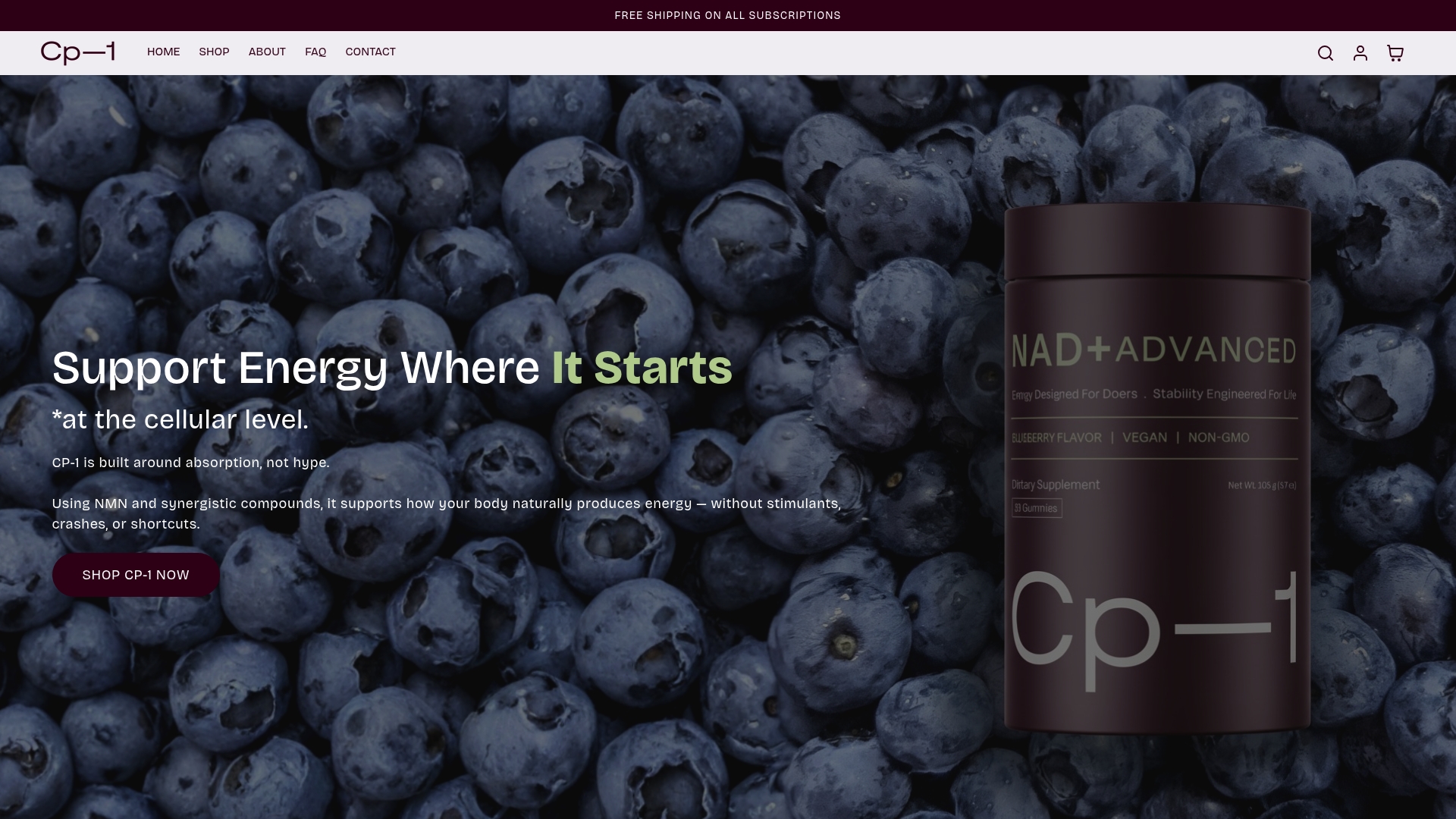
Cp-1 is vegan, non-GMO, third-party tested, and manufactured in the United States. It is designed to support the foundational biology that makes every other wellness effort work better. If you are already doing the basics well and want to go further, explore Cp-1 to see how targeted cellular support fits into your plan.
Key Takeaways
Wellness optimization works because it targets the biological systems that govern energy, resilience, and cognitive performance through consistent, layered improvements rather than isolated fixes.
| Point | Details |
|---|---|
| Start with the four pillars | Sleep, nutrition, movement, and stress management form the non-negotiable foundation before any advanced intervention. |
| Use the assess-intervene-refine cycle | Measure your baseline, make one change, reassess after 30 days, and repeat every 90 days. |
| Avoid over-optimization | Rigid metric tracking increases anxiety and can disrupt hormonal regulation; prioritize lived experience alongside data. |
| Interconnected domains amplify results | Improving sleep improves nutrition choices, which improves energy for exercise, creating compounding gains across all pillars. |
| Personalize your protocol | Bio-individuality means no single plan fits everyone; refine your approach based on your own response over time. |
FAQ
What does wellness optimization mean?
Wellness optimization is the deliberate, data-informed process of improving your biological function beyond the absence of disease. It targets physical vitality, cognitive performance, and long-term resilience through consistent, layered lifestyle changes.
How long does it take to see results from wellness optimization?
Most practitioners recommend a 90-day stabilization phase focused on sleep, nutrition, and movement before expecting measurable results. Compounding habit improvements, such as better sleep leading to better food choices, often become noticeable within 4–6 weeks.
Can you over-optimize your health?
Yes. Excessive metric tracking and rigid protocols increase anxiety and can disrupt hormonal regulation. The most effective approach balances data-informed decisions with attention to your lived experience and emotional well-being.
What is the best starting point for improving wellness?
Sleep consistency is the highest-leverage starting point for most people. Stabilizing sleep duration and timing improves cortisol rhythms, appetite regulation, and exercise motivation before any other intervention is needed.
How does cellular health relate to wellness optimization?
Cellular health, specifically mitochondrial efficiency and NAD+ production, determines how well your body produces energy and repairs itself. Targeting these mechanisms through nutrition, movement, and targeted supplementation supports every other dimension of wellness improvement.