

Step by Step Energy Optimization for Real Vitality
Step by step energy optimization is the process of systematically improving your personal energy levels through targeted lifestyle changes, dietary choices, and natural supplements. Most people treat fatigue as a fixed state. It is not. The DMAIC framework (Define, Measure, Analyze, Improve, Control), borrowed from industrial efficiency, applies directly to personal energy management. You define your energy baseline, measure what drains it, and make deliberate changes. The result is sustained vitality, not a temporary spike from caffeine or a quick fix that fades by noon.
What lifestyle changes have the greatest impact on step by step energy optimization?
Sleep is the single most powerful lever in any personal energy management plan. Consistent sleep and wake times regulate your circadian rhythm, which controls cortisol, melatonin, and cellular repair. Skipping this step is like trying to reduce energy waste in a building with no insulation. You can add all the upgrades you want, but the foundation is broken.
Physical activity is the second lever. Exercise increases mitochondrial density in muscle cells. More mitochondria means more ATP production, which is the actual currency of cellular energy. Even 20 minutes of moderate cardio three times per week produces measurable improvements in sustained energy output.

The 4 P’s of Energy (Prioritize, Plan, Pace, and Position) give you a practical framework for managing daily energy drain. Prioritize your most demanding tasks for your peak energy window, typically mid-morning. Plan recovery breaks between high-focus blocks. Pace yourself by avoiding back-to-back draining activities. Position your environment to reduce friction, meaning less decision fatigue, less noise, and less clutter.
Key lifestyle drains to address:
- Chronic stress elevates cortisol, which suppresses mitochondrial function over time
- Screen exposure after 9 p.m. delays melatonin release and fragments sleep architecture
- Sedentary stretches longer than 90 minutes reduce circulation and slow cellular metabolism
- Social or emotional stress without recovery time depletes mental energy faster than physical exertion
Pro Tip: Track your energy on a 1–10 scale every two hours for one week before making any changes. This baseline data tells you exactly when your energy drops and what precedes the crash. Without it, you are guessing.
How can dietary choices support long-lasting energy optimization?
Mitochondrial health depends directly on what you eat and when you eat it. Blood sugar stability is the core dietary goal for sustained energy. Spikes and crashes from refined carbohydrates create the afternoon slump that most people mistake for a sleep problem. Complex carbohydrates, healthy fats, and adequate protein slow glucose absorption and keep energy production steady.
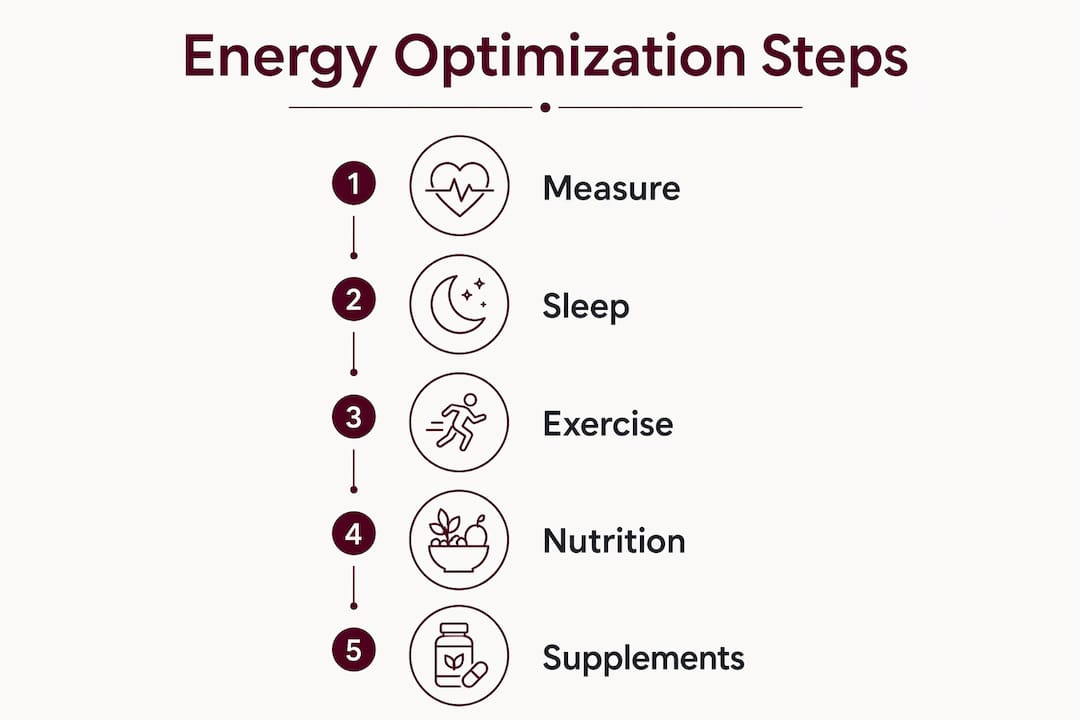
Hydration, balanced nutrition, and meal timing significantly influence cellular energy production and overall vitality. Even mild dehydration reduces cognitive performance and physical output. A practical rule: drink 16 oz of water within 30 minutes of waking before consuming anything else.
Foods that directly support mitochondrial function and blood sugar stability:
- Complex carbohydrates: oats, sweet potatoes, quinoa, and legumes provide slow-release glucose
- Healthy fats: avocado, olive oil, walnuts, and fatty fish supply the lipids mitochondria use for membrane integrity
- Protein sources: eggs, lentils, Greek yogurt, and lean meats stabilize blood sugar and support neurotransmitter production
- Micronutrient-dense foods: leafy greens, berries, and cruciferous vegetables deliver B vitamins, magnesium, and antioxidants that protect mitochondria from oxidative stress
Meal timing matters as much as food choice. Eating a protein-rich breakfast within 60 minutes of waking stabilizes morning energy. A small snack combining protein and fat in the early afternoon prevents the 2–3 p.m. crash. Avoiding large meals within two hours of sleep protects sleep quality and overnight cellular repair.
What natural supplements can enhance your energy and how to use them effectively?
Natural supplements like adaptogens, B vitamins, and CoQ10 boost personal energy when properly integrated into lifestyle and diet. The key word is “integrated.” Supplements do not replace sleep, nutrition, or movement. They amplify the results of those foundational habits.
Here is what the evidence supports:
- Coenzyme Q10 (CoQ10): directly supports the electron transport chain in mitochondria, the process that generates ATP. Levels decline with age, making supplementation relevant for adults over 35.
- B vitamins (B1, B2, B3, B6, B12): act as cofactors in energy metabolism. B12 deficiency alone causes fatigue, brain fog, and reduced physical stamina.
- Adaptogens (reishi, lion’s mane, turkey tail): reduce cortisol response to stress and support immune function, which frees up energy the body would otherwise spend on inflammation.
- NMN (Nicotinamide Mononucleotide): a precursor to NAD+, the molecule your cells use to convert food into usable energy. NAD+ levels drop significantly with age, and NMN supplementation supports their restoration.
- Magnesium: involved in over 300 enzymatic reactions, including ATP synthesis. Most adults do not get enough from diet alone.
Timing matters. Take B vitamins and NMN in the morning to align with natural energy production cycles. Take magnesium glycinate in the evening to support sleep and overnight recovery. Take adaptogens consistently for at least four weeks before evaluating results.
Pro Tip: Supplement quality is not uniform. Look for products that are third-party tested, non-GMO, and manufactured in the United States under current Good Manufacturing Practice (cGMP) standards. A supplement that does not absorb properly is no different from a placebo.
What is a practical step-by-step routine to optimize your energy daily?
A structured daily routine is where all the strategies above become real results. The DMAIC approach applied to personal energy means you do not skip the measurement phase. Skipping measurement is the most common mistake in energy optimization. Solid baseline data is what separates real improvement from wishful thinking.
Follow this sequence:
- Define your energy goal. Be specific. “I want to feel alert from 8 a.m. to 6 p.m. without caffeine after noon” is a goal. “I want more energy” is not.
- Measure your baseline. Track energy levels every two hours for seven days. Note sleep duration, meals, stress events, and activity. This is your data.
- Analyze the patterns. Identify your two biggest energy drains. For most people, these are poor sleep and blood sugar crashes. Fix those first.
- Implement changes in layers. Start with sleep and hydration. Add dietary changes in week two. Introduce supplements in week three. Layering prevents overwhelm and isolates what works.
- Monitor and adjust. Continuous monitoring prevents energy relapse as habits degrade. Check your energy log weekly and adjust one variable at a time.
| Time of Day | Action | Benefit |
|---|---|---|
| Morning (6–8 a.m.) | Hydrate, take B vitamins and NMN, eat protein-rich breakfast | Activates cellular energy production, stabilizes blood sugar |
| Mid-morning (9–11 a.m.) | Tackle high-priority cognitive tasks | Aligns with peak cortisol and alertness window |
| Midday (12–1 p.m.) | Eat balanced lunch with complex carbs, protein, and fat | Prevents afternoon blood sugar crash |
| Early afternoon (2–3 p.m.) | 10-minute walk or light movement break | Restores circulation and reduces mental fatigue |
| Evening (7–9 p.m.) | Take magnesium glycinate, reduce screen exposure | Supports melatonin release and overnight cellular repair |
This routine is not rigid. It is a starting framework you adjust based on your own data. The goal is a cellular energy workflow that fits your actual life, not a theoretical schedule that collapses by day three.
Key Takeaways
Sustainable personal energy optimization requires a measured, layered approach that addresses sleep, nutrition, and supplementation in sequence rather than all at once.
| Point | Details |
|---|---|
| Measure before you change | Track energy levels for seven days to identify your real drains before making any adjustments. |
| Sleep is the foundation | Consistent sleep and wake times regulate the hormones that control all other energy systems. |
| Diet stabilizes energy output | Complex carbs, healthy fats, and protein prevent blood sugar swings that cause energy crashes. |
| Supplements amplify habits | CoQ10, NMN, B vitamins, and adaptogens work best when layered onto solid sleep and nutrition. |
| Monitor and adjust weekly | Reviewing your energy log weekly prevents backsliding and keeps improvements compounding. |
What I have learned from doing this myself
Most people come to energy optimization backwards. They buy supplements first, then wonder why nothing changed. I did the same thing years ago. I spent money on products that did nothing because my sleep was a disaster and I was eating in a way that guaranteed a 2 p.m. crash every single day. No supplement fixes a broken foundation.
The measurement step is the one people skip most often, and it is the one that matters most. When I started logging my energy every two hours, I found that my worst crash happened at 3 p.m. and was almost always preceded by a high-carb lunch with no protein. That one insight changed more than any supplement I had ever tried.
The other thing I have seen consistently: people expect results in a week and quit in two. Real energy optimization compounds over 30–60 days. The first two weeks feel slow. By week four, the difference is undeniable. The step by step biohacking approach works precisely because it is incremental. You are not overhauling your life. You are fixing one leak at a time.
Technology helps. A simple app or even a paper log that tracks sleep, meals, and energy gives you the feedback loop you need. Without that loop, you are flying blind. With it, you can see exactly what is working and what is not.
— Hugo
Cp-1 and the natural energy support you actually need
If you have worked through the steps above and want a supplement that was built to complement this kind of structured approach, Cp-1 is worth your attention. The formula combines NMN, CoQ10, lion’s mane, reishi, and turkey tail mushroom extracts. Every ingredient targets a specific part of the energy and recovery chain, from NAD+ production to mitochondrial support to stress resilience.
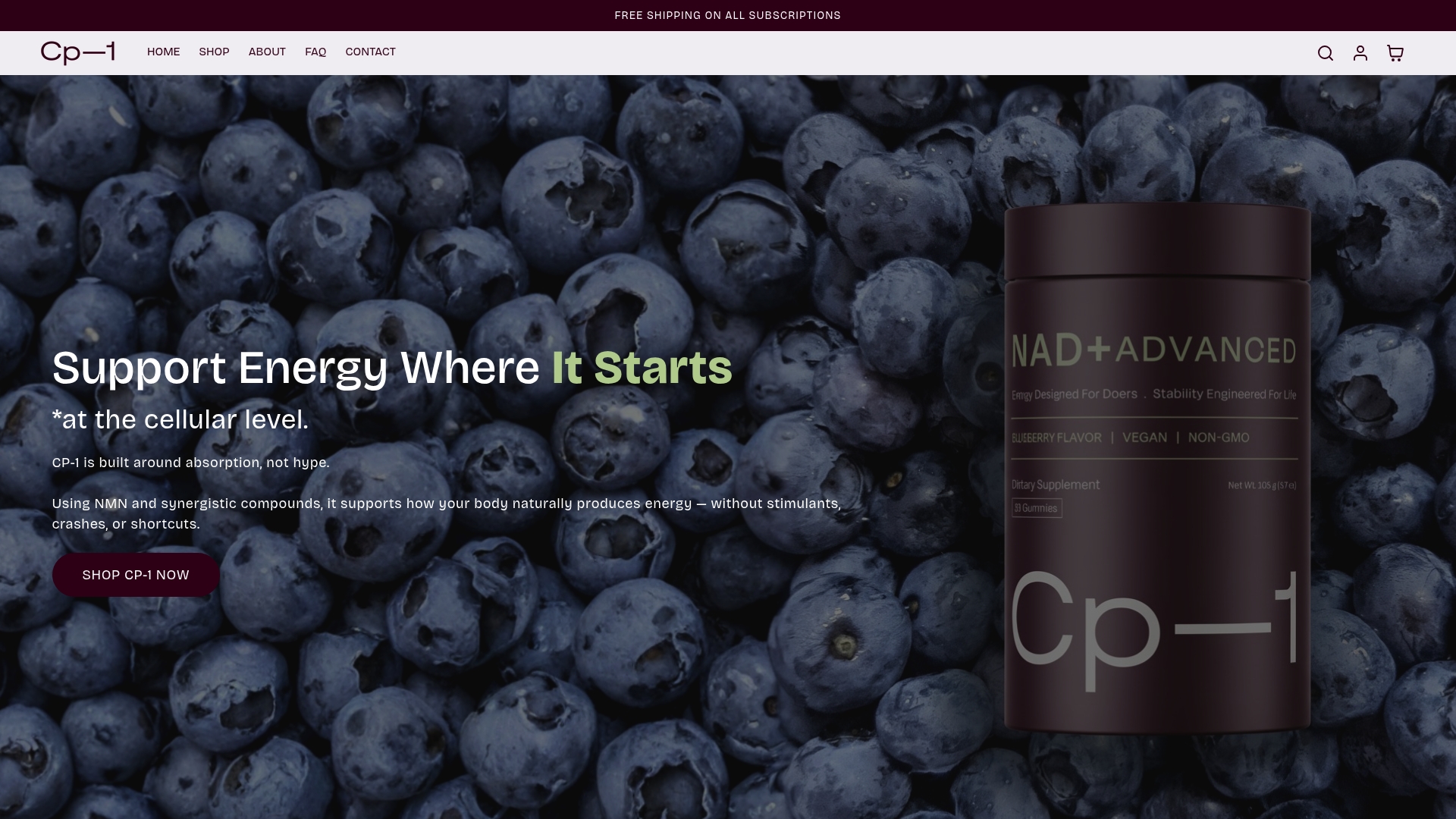
Cp-1 is third-party tested, vegan, non-GMO, and made in the United States under cGMP standards. It is not designed to replace the habits covered in this article. It is designed to make those habits work harder. If you want to see how it fits into a natural energy support workflow, the full details are at cp-1.com.
FAQ
What is step by step energy optimization?
Step by step energy optimization is a structured process of improving personal vitality through sequential changes to sleep, diet, movement, and supplementation. It uses a measure-first approach to identify real energy drains before making any changes.
How long does it take to see results from energy optimization?
Most people notice meaningful improvements within 30–60 days when following a layered approach. The first two weeks establish the foundation; results compound from week three onward.
What supplements support personal energy optimization most effectively?
CoQ10, NMN, B vitamins, and adaptogens have the strongest evidence base for supporting cellular energy production. They work best when combined with consistent sleep and stable blood sugar from diet.
Why does measuring energy levels matter before making changes?
Skipping the measurement phase is the most common reason energy optimization fails. Without baseline data, you cannot identify which habits are causing the drain or verify whether your changes are actually working.
What foods have the biggest impact on sustained energy levels?
Complex carbohydrates like oats and sweet potatoes, healthy fats from avocado and walnuts, and protein from eggs and legumes provide the most stable energy output. These foods slow glucose absorption and support mitochondrial health throughout the day.