

Energy Boosting Supplement Tips for Lasting Vitality
Effective energy supplementation is defined by one principle: correct what’s actually missing before adding anything new. Most adults chasing sustained energy are not deficient in caffeine. They are deficient in iron, vitamin B12, or vitamin D, and correcting those deficiencies is where real energy gains begin. The best energy boosting supplement tips are not about stacking more products. They are about choosing the right compounds, taking them at the right time, and building the lifestyle foundation that makes them work. This article covers all three, without the hype.
1. Energy boosting supplement tips: start with deficiency testing
The single most overlooked step in any supplement plan is a blood panel. Many supplements only produce noticeable energy gains when a deficiency exists. Iron, B12, and vitamin D are the three most common culprits behind chronic fatigue in otherwise healthy adults. Testing first means you spend money on what your body actually needs, not on what a marketing email told you to buy.
Ask your doctor for a complete blood count, serum ferritin, B12, and 25-OH vitamin D. These four markers give you a clear picture of where your energy production is breaking down at the cellular level. Without this baseline, you are guessing.
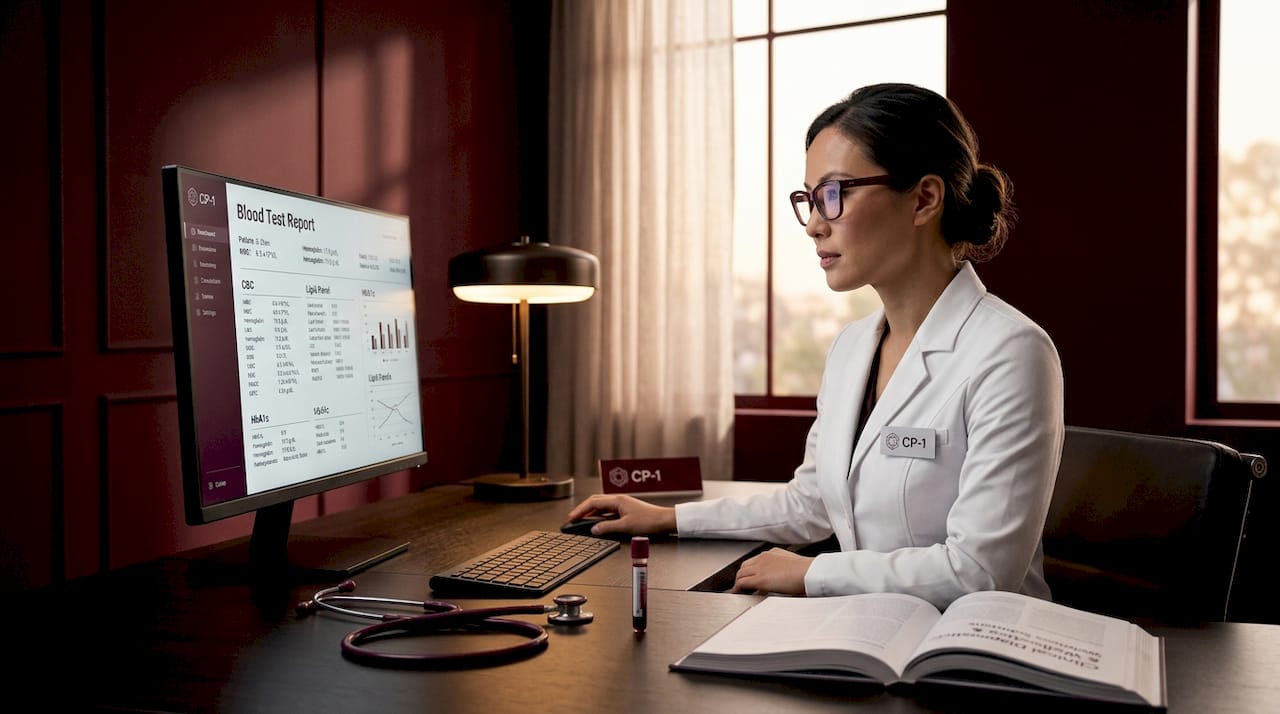
Pro Tip: Request serum ferritin specifically, not just hemoglobin. Ferritin measures stored iron, and it can be depleted well before anemia shows up on standard tests.
2. The supplements with the strongest evidence for natural energy
Not every product on a supplement shelf earns its place. Here are the compounds with the most credible research behind them for physical and cognitive energy support.
- Iron: Supports oxygen transport in red blood cells. Fatigue is the primary symptom of iron deficiency, and supplementing when deficient produces measurable improvements in energy and endurance. Irrelevant if your levels are normal.
- Vitamin B12 and folate: Both are central to cellular energy metabolism. B12 deficiency is common in adults over 50 and in anyone eating a plant-based diet. Sublingual B12 absorbs better than standard tablets for many people.
- Creatine: Creatine supplementation supports short bursts of high-intensity output and reduces mental fatigue. A daily dose of 2 to 3 grams is effective without any loading phase.
- CoQ10: A mitochondrial cofactor that declines with age and statin use. Supports cellular energy production directly and pairs well with fat-containing meals for absorption.
- Magnesium: Involved in over 300 enzymatic reactions, including ATP synthesis. Most adults do not get enough from food alone. Magnesium glycinate is the most bioavailable form for most people.
- Ashwagandha and Rhodiola rosea: Both are adaptogens with evidence for reducing perceived fatigue and stress-related exhaustion. Neither is a stimulant, which makes them useful for people who want non-stimulant energy support.
- Omega-3 fatty acids: A 2025 MDPI study found omega-3 linked to fewer depressive symptoms but no significant direct cognitive performance improvement in healthy adults. Worth taking for mood and inflammation, but do not expect an energy surge.
Pro Tip: Creatine is one of the most studied supplements in existence. If you only add one compound to your routine, make it creatine. The cognitive benefits alone justify it.
3. How to time supplements to maximize absorption
Timing is where most people leave real results on the table. The same supplement taken at the wrong time, or alongside the wrong food or drink, can absorb at a fraction of its potential.
Here is a practical daily timing schedule for the most common energy supplements:
- Morning (with breakfast containing fat): Vitamin D, CoQ10. Taking vitamin D with fat can increase absorption by 32 to 50%. CoQ10 follows the same rule.
- Morning (on an empty stomach): Iron, taken with a small glass of orange juice. Iron absorption on an empty stomach is 2 to 3 times higher than with food. Coffee and tea reduce iron absorption by 60 to 90%, so keep them separated by at least one hour.
- Morning or midday: B vitamins and creatine. B vitamins have a mild stimulating effect, so taking them in the evening can disrupt sleep. Creatine timing is flexible since daily consistency matters more than the specific hour.
- Evening (30 to 60 minutes before bed): Magnesium. It supports muscle relaxation and sleep quality, making it the one supplement that genuinely belongs at night.
| Supplement | Best timing | Key rule |
|---|---|---|
| Vitamin D | Morning with fatty meal | Fat increases absorption by up to 50% |
| CoQ10 | Morning with fatty meal | Fat-soluble; same rule as vitamin D |
| Iron | Morning, empty stomach | Separate from calcium, coffee, and tea |
| B12 / B vitamins | Morning or midday | Avoid evening to protect sleep |
| Creatine | Any time, daily | Consistency beats perfect timing |
| Magnesium | 30 to 60 min before bed | Supports relaxation and sleep onset |
Pro Tip: Calcium, iron, and zinc compete for the same absorption pathways. Separating these minerals by one to two hours is not optional if you want full benefit from each.
4. Natural lifestyle habits that amplify supplement results
Supplements do not work in a vacuum. The lifestyle habits you build around them determine whether you get 30% of their potential or 100%.
- Morning sunlight: Early sunlight exposure resets your circadian rhythm and suppresses daytime melatonin, which is one of the primary drivers of afternoon fatigue. Ten minutes outside within an hour of waking costs nothing and works.
- Consistent meal timing: Eating at regular intervals and stopping at least three hours before bed supports metabolic health. Dr. Amy Shah recommends maintaining at least a 12-hour overnight fasting window to let your body complete its repair cycle.
- High-fiber, nutrient-dense food: Your gut microbiome influences how well you absorb supplements. A diet built around vegetables, legumes, whole grains, and quality protein creates the internal environment where supplements actually land.
- Limiting sugar and excess caffeine: Sugary drinks and back-to-back coffee create energy spikes followed by crashes. Caffeine improves vigilance, but a 2026 randomized trial showed caffeine’s physical benefits are inconsistent even at 3 mg per kg of body weight. Use it as a targeted tool, not a crutch.
- Stress management and sleep: Chronic stress burns through magnesium, B vitamins, and CoQ10 faster than supplementation can replenish them. Adequate sleep is not a lifestyle bonus. It is the condition under which every supplement you take actually does its job.
“Fatigue is often a signal, not a character flaw. The body is asking for something specific. Your job is to figure out what that is.” This is the frame that separates smart supplementers from people who just spend money on bottles.
5. How to choose quality supplements and start safely
The supplement industry is largely unregulated, which means the label and the contents do not always match. Here is how to protect yourself and get real results.
- Look for third-party testing: Certifications from NSF International, USP, or Informed Sport confirm that what is on the label is actually in the capsule. This is non-negotiable for anyone serious about what they put in their body.
- Start with one supplement at a time: Adding three new products simultaneously makes it impossible to know what is working or what is causing a side effect. Give each new addition two to four weeks before evaluating.
- Avoid stimulant stacking: Combining caffeine with other stimulants does not multiply benefits. It multiplies tolerance and crash risk. If you want cognitive energy without the jitter cycle, supplements that boost cognition without stimulants are a smarter long-term play.
- Use creatine daily, not cyclically: Consistent daily creatine replenishes ATP stores in both muscle and brain tissue. There is no benefit to cycling off it. For a detailed breakdown of how to start, the guide on starting creatine safely covers dosing, timing, and what to expect.
- Consult a healthcare provider if you are on medication: Iron, magnesium, and B vitamins all interact with common medications. This is especially relevant for anyone on thyroid medication, antibiotics, or blood pressure drugs.
Pro Tip: Vegan and non-GMO certifications matter less than third-party testing for purity. A certified organic supplement with no third-party testing is still a gamble.
Key takeaways
The most effective approach to natural energy enhancement combines deficiency correction, precise supplement timing, and lifestyle habits that support absorption and cellular function.
| Point | Details |
|---|---|
| Test before you supplement | Blood panels for iron, B12, and vitamin D reveal the real cause of fatigue. |
| Timing changes everything | Iron on an empty stomach and vitamin D with fat can double their effectiveness. |
| Creatine is underrated | Daily doses of 2 to 3g support both physical output and mental clarity. |
| Lifestyle is not optional | Sleep, sunlight, and meal timing determine how well supplements absorb and work. |
| Quality over quantity | Third-party tested supplements from brands with transparent manufacturing beat unverified stacks. |
What I’ve actually learned about energy after years of doing this wrong
I spent a long time doing what most people do: buying whatever had the best reviews, taking everything at once, and wondering why I still felt flat by 2 p.m. The turning point was not finding a better supplement. It was getting a blood panel and discovering my ferritin was at the floor while my vitamin D was barely functional. I was not tired because I lacked willpower or the right nootropic stack. I was tired because my cells were running on empty.
What changed everything was treating timing as seriously as ingredient selection. Taking iron with coffee in the morning, which I did for years, was actively blocking absorption. Switching to iron with orange juice on an empty stomach, then waiting an hour before coffee, made a noticeable difference within weeks. That is not a placebo. That is basic biochemistry that most supplement guides skip entirely.
The other thing I will say plainly: stimulants are a loan, not a solution. Caffeine borrowed against tomorrow’s energy is still debt. The people I know who have genuinely transformed their energy levels did it through cellular energy support, consistent sleep, and targeted deficiency correction. Not through a pre-workout that hits harder. Patience and consistency are the actual active ingredients most people are missing.
— Hugo
How Cp-1 supports your natural energy goals
If you are serious about getting this right, Cp-1 was built for exactly this kind of person. The CP-1 formula includes NMN, CoQ10, lion’s mane mushroom extract, reishi mushroom extract, and turkey tail mushroom extract. These are ingredients chosen for mitochondrial energy support, NAD+ production, and cognitive clarity without stimulants. Every batch is third-party tested, vegan, non-GMO, and manufactured in the US.
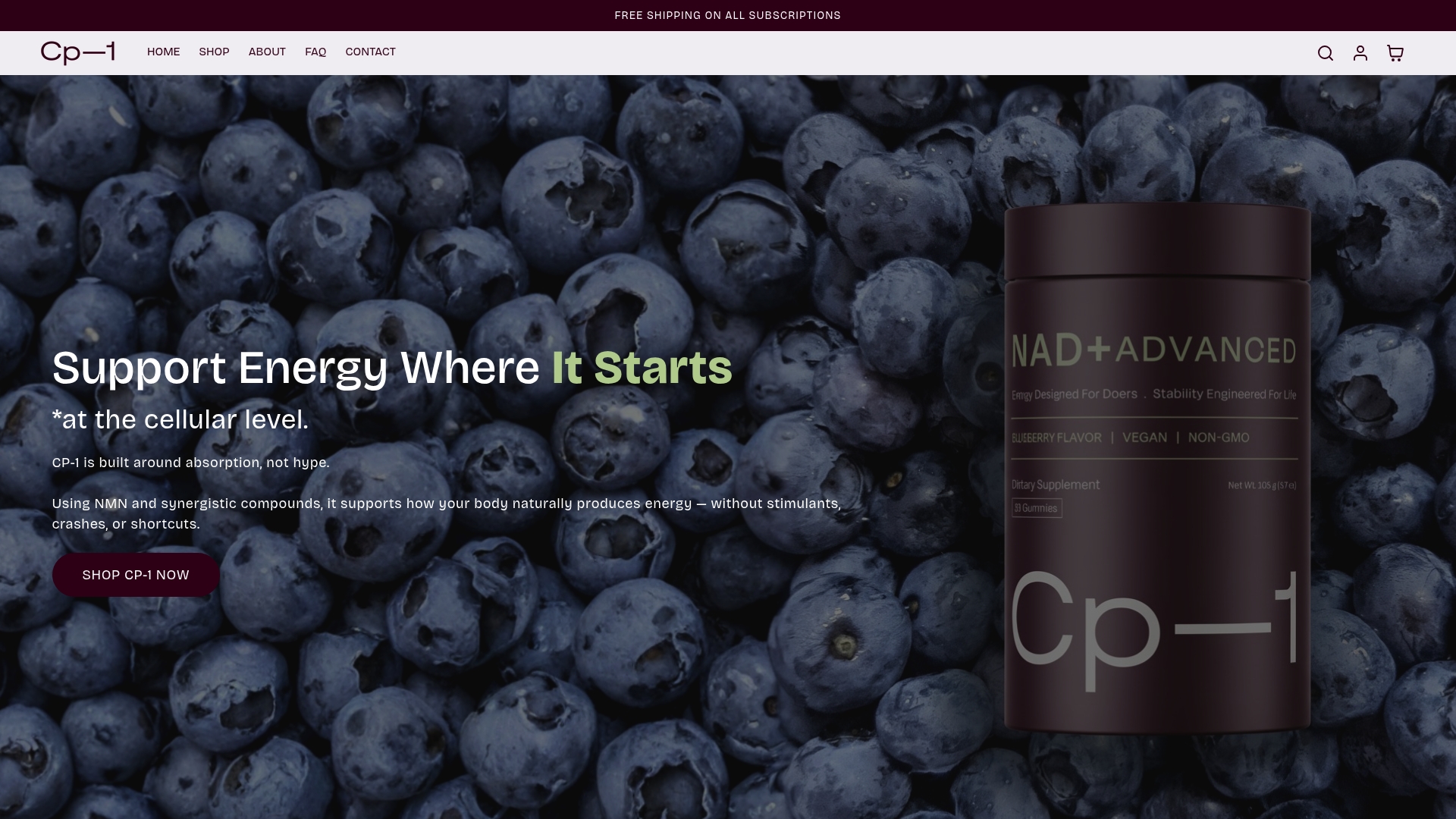
Cp-1 also publishes detailed educational content on supplement timing, creatine use, and energy and cognitive performance for people who want to understand what they are taking and why. If you are ready to move past the guesswork, explore the top energy supplement alternatives for 2026 and find what actually fits your biology.
FAQ
What are energy boosters, exactly?
Energy boosters are supplements or compounds that support the body’s natural energy production, typically by correcting nutrient deficiencies, supporting mitochondrial function, or improving mental alertness. They are not a substitute for sleep or a balanced diet.
Which supplements are the best energy boosters for most adults?
Iron, vitamin B12, vitamin D, creatine, CoQ10, and magnesium have the strongest evidence for supporting energy in adults, particularly when deficiencies are present. Creatine is the most broadly effective option for both physical and cognitive energy regardless of deficiency status.
Does supplement timing really affect energy benefits?
Yes. Supplement timing affects absorption significantly. Vitamin D taken without fat absorbs poorly, and iron taken with coffee can lose up to 90% of its bioavailability. Getting timing right is as important as choosing the right supplement.
Is caffeine a reliable energy supplement?
Caffeine reliably improves cognitive alertness and reaction time, but its physical performance benefits are inconsistent. It works best as a targeted tool rather than a daily baseline, and relying on it chronically builds tolerance without addressing the root cause of fatigue.
How long does it take to feel results from natural energy supplements?
Most deficiency-correcting supplements like iron and vitamin D take four to eight weeks of consistent use before energy improvements become noticeable. Creatine typically shows cognitive and physical effects within one to two weeks of daily use at 2 to 3 grams per day.