
Most people do well with 1 to 3 grams (1,000 to 3,000 mg) of whole turkey tail powder daily, split into two doses with food. The clinical benchmark is higher: Japanese trials used PSK at about 3 grams a day as a cancer adjuvant, and some dose-escalation studies tolerated up to 9 grams daily. Potency swings wildly between brands, so talk to your clinician before you start, especially if you’re on medication or in active cancer treatment.
TL;DR:
- Most people should aim for 1,000 to 3,000 mg of whole turkey tail powder daily, split into two doses with food for optimal tolerance.
- Clinical trials for cancer adjuvant use typically used around 3 grams of standardized extract daily, with tolerability up to 9 grams in small studies.
- Product potency varies widely; look for supplement labels that state extract ratios and beta-glucan percentages, and prefer third-party lab testing to verify strength.
- Supplement interactions are possible, especially with medications or immunotherapy, so always consult a clinician before starting, particularly at higher doses.
- To determine a safe and effective dose, fully read the label, convert units accurately, and start with a low dose, gradually increasing over weeks while monitoring your response.
Table of Contents
- Turkey Tail Dosage Ranges by Goal
- What Do Clinical Trials Actually Use for Dosing?
- Why Does Turkey Tail Potency Vary So Much Between Products?
- How Do You Translate a Label Into a Safe Daily Plan?
- Is Turkey Tail Safe, and Who Should Avoid It?
- How Should You Actually Take It Day to Day?
- Our Take on the Evidence
- Where Turkey Tail Fits in a Bigger Wellness Formula
- Sources
- FAQ
Turkey Tail Dosage Ranges by Goal
There isn’t one turkey tail daily dose that fits every reason someone reaches for this mushroom. A person taking it for general wellness has different needs than someone using it alongside chemotherapy, and the dosing reflects that difference.
For general wellness and immune support, most turkey tail supplement guidelines point to:
- Whole powder or capsules: 1,000 to 3,000 mg per day, often split into two doses
- Tinctures or liquid extracts: typically 1 to 2 mL, one to three times daily, depending on concentration
- Standardized extracts: lower gram amounts because the active compounds are concentrated
Immune-support users frequently split doses morning and evening rather than taking one large serving. Splitting appears to ease digestive tolerance and keep blood levels of the active polysaccharides steadier through the day.
Clinical-adjuvant dosing is a different animal entirely. PSK was used at roughly 3 grams daily in multiple Japanese randomized trials for gastric and colorectal cancer, and PSP trials in China ran similar 1 to 3 gram ranges. Those doses come from pharmaceutical-grade, standardized extracts, not the powder you scoop from a jar at home. That difference in preparation is exactly why matching a retail label to a trial dose takes more than simple math.

What Do Clinical Trials Actually Use for Dosing?
The dosage for turkey tail used in research has a long paper trail, mostly out of Japan, where PSK has been an approved cancer adjuvant since the 1970s.
3 grams per day is the number that shows up again and again in PSK trials. Japanese researchers standardized on this dose across multiple randomized adjuvant trials for gastric and colorectal cancer, typically alongside chemotherapy rather than instead of it. These trials measured survival rates, immune cell counts, and recovery after chemo, not subjective symptom relief.

Smaller, more exploratory studies pushed the ceiling further. A phase-1 dose-escalation trial and case series found whole turkey tail preparations tolerated up to 9 grams a day in some breast cancer patients, with immune recovery signals showing up around the 6 gram mark in one small study.
A few things worth flagging before you try to copy those numbers onto your own bottle:
- These were small samples, often a handful of patients, which limits how far you can generalize the findings
- Preparation methods varied between studies, so “9 grams” in one trial isn’t chemically identical to “9 grams” in another
- Endpoints focused on lab markers and cancer recovery, not day-to-day wellness
The core number to remember: 3 g/day of PSK is the recurring clinical benchmark, with tolerability tested as high as 9 g/day for whole powder in small trials.
Because PSK and PSP are partially purified, specific preparations, a milligram figure on a supplement label doesn’t automatically carry the same biological punch as the same figure in a trial. That gap is the single biggest source of confusion in turkey tail dosage conversations, and it’s why the next section matters more than most people expect.
Why Does Turkey Tail Potency Vary So Much Between Products?
Not all turkey tail products are built the same, even when the label says the same milligram number. Fruiting-body powder is the whole dried mushroom, ground up. Hot-water extracts concentrate the polysaccharides that seem to matter most, while dual extracts combine hot-water and alcohol extraction to pull both water-soluble and fat-soluble compounds. Isolated PSK and PSP sit at the far end, pharmaceutical-grade preparations refined for consistency.
Extract ratio changes everything about what “500 mg” actually means:
- A 500 mg 10:1 extract represents roughly 5,000 mg of raw mushroom material concentrated down
- A 500 mg whole powder serving is just 500 mg of dried mushroom, no concentration involved
- Neither number tells you the beta-glucan percentage, which is the real marker of biological activity
Commercial turkey tail supplements vary significantly in potency compared with the pharmaceutical-grade PSK and PSP used in trials, which complicates any direct dose translation. If a label doesn’t state beta-glucan content or extract ratio, you’re guessing at what you’re actually taking.
Pro Tip: Look for a supplement that states its beta-glucan percentage and shows third-party lab testing on the packaging. If neither is listed, treat the milligram number on the front of the bottle as a rough estimate, not a fact. You can read more about how extraction methods change what a supplement delivers if you want the deeper mechanics.
How Do You Translate a Label Into a Safe Daily Plan?
Turning a bottle’s label into an actual dosage for turkey tail takes a few concrete steps, not guesswork.
- Read the label fully for mg per serving, extract ratio (like 8:1 or 10:1), and beta-glucan percentage if it’s listed
- Convert units when needed. Most labels use milligrams; if you’re aiming for a 1 to 3 gram daily target, remember 1,000 mg equals 1 gram
- Use the included scoop or a gram scale rather than a kitchen spoon, which can vary by 30% or more between fillings
- Titrate slowly. Start at the low end of the range and increase over one to two weeks, watching how your digestion responds
- Split doses across meals to smooth out absorption and reduce stomach upset
- For tinctures, check the manufacturer’s stated concentration and use the dropper markings provided rather than eyeballing drops
Pro Tip: If you’re used to translating labels for other mushroom supplements, the same logic applies across the board. Our guide on converting reishi mushroom labels into a titration plan walks through nearly identical math.
Is Turkey Tail Safe, and Who Should Avoid It?
Turkey tail carries a good general safety record, but “supplement” doesn’t mean “no interactions.” Memorial Sloan Kettering notes that turkey tail in food or tea form is generally safe, but concentrated supplements are a different story and can interact with medications.
Known and possible issues include:
- Mild gastrointestinal upset is the most commonly reported side effect, particularly at higher doses or when starting cold
- Rare allergic reactions, including skin rash, in sensitive individuals
- Immune-modulating effects that may interact with immunotherapy drugs, since turkey tail’s mechanism overlaps with how some cancer treatments work
- Theoretical clotting concerns for people on anticoagulants, though data here is thin
One regulatory fact worth knowing: dietary supplements in the United States are regulated as foods, not drugs. Manufacturers are responsible for safety and truthful labeling, but the FDA does not pre-approve supplements for effectiveness the way it does prescription medications. That’s a meaningful gap between what a bottle claims and what’s been independently verified.
If you’re pregnant, breastfeeding, treating a child, or managing an autoimmune condition, the honest answer is to talk to a clinician before adding turkey tail to your routine. The same goes if you’re currently receiving chemotherapy or immunotherapy. You can read a fuller breakdown of turkey tail side effects and drug interaction risks if you want the complete picture before you buy anything.
How Should You Actually Take It Day to Day?
A common, practical schedule looks like 1 gram in the morning and 1 gram in the evening for a 2 gram daily plan, both taken with food. Food seems to ease the mild stomach upset some people report, and splitting the dose keeps things gentler than one large serving.
Set realistic expectations on timing:
- Immune markers in lab testing can shift within a few weeks of consistent use
- Subjective changes, if they happen at all, tend to take longer, often a couple of months
- Re-evaluate your dose with your clinician if you’re tracking lab values, or simply reassess after 8 to 12 weeks of consistent use
Our Take on the Evidence
We’d rather point you to a trial number than a marketing headline. The gap between a 3 gram PSK benchmark and a vague “clinically studied” claim on a bottle is exactly the kind of thing the supplement industry glosses over, and it shouldn’t. Label transparency, beta-glucan content, and third-party testing matter more to us than a bold claim on the front of a box. The formula includes turkey tail extract, alongside reishi and lion’s mane. Whatever you choose, check the label against the benchmarks here, and loop in your clinician before you start.
— Hugo
Where Turkey Tail Fits in a Bigger Wellness Formula
If you’ve made it this far, you already know that dosage alone doesn’t tell the whole story. What surrounds turkey tail in a formula matters too. CP-1’s NAD+ Advanced Supplement combines turkey tail extract with reishi, lion’s mane, NMN, and CoQ10 in a chewable gummy built around third-party testing and US manufacturing.
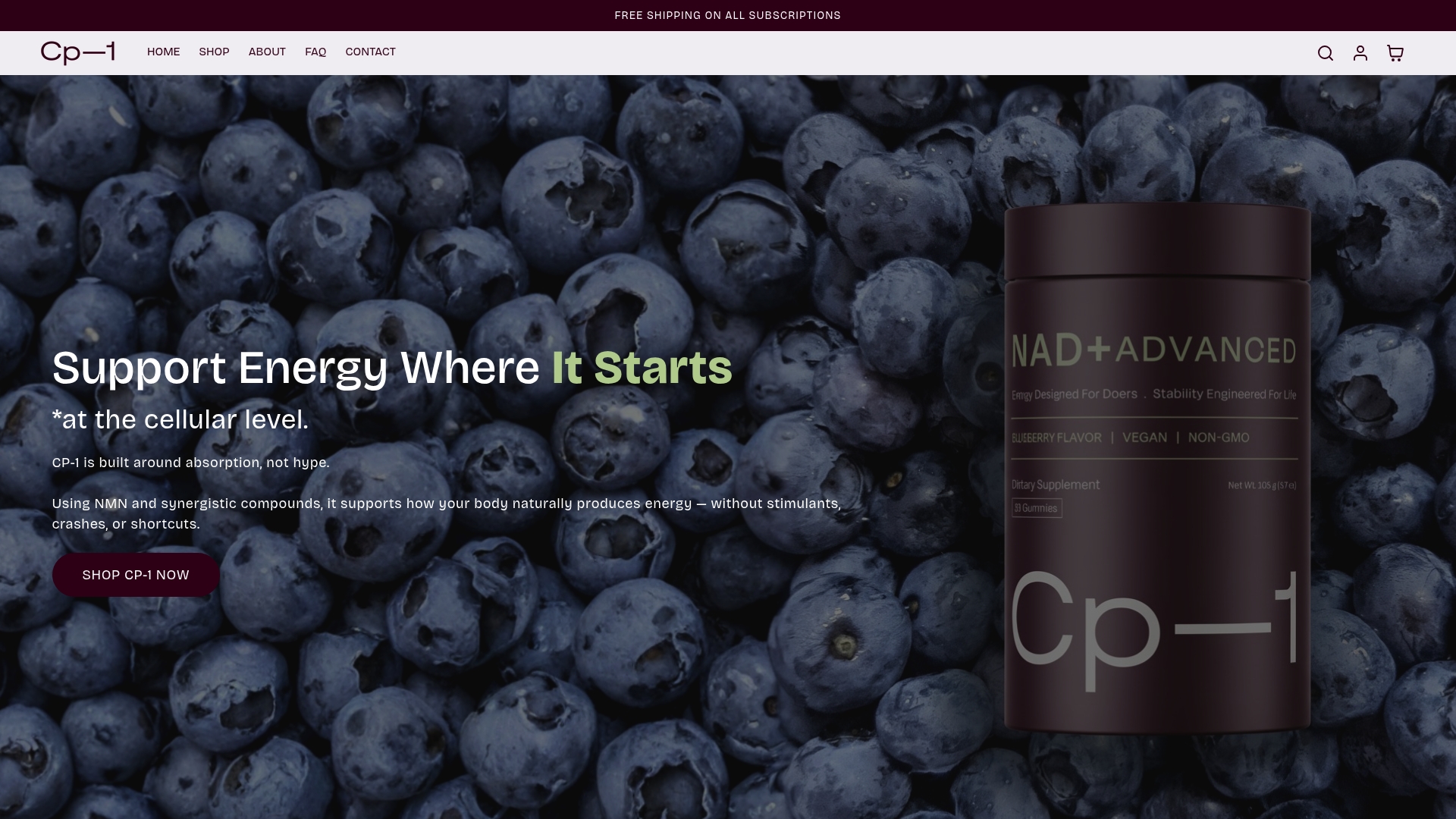
Comparing CP-1’s label against the guidelines above is straightforward: check the turkey tail amount per serving, note whether the formula lists any extract standardization, and weigh that against the 1 to 3 gram consumer range covered in this guide. That’s the same label-reading habit you’d apply to any product, and it applies here too. If you’re weighing a blended mushroom formula against a single-ingredient turkey tail supplement, start by checking the full CP-1 product collection and comparing labels side by side. As always, run any new supplement by your clinician first, particularly if you’re managing a medical condition or taking prescription medication.
This article is general information, not a substitute for advice from a qualified doctor. Consult a qualified healthcare professional about your own circumstances before acting on anything here.
Sources
- Mushrooms - PDQ Integrative, National Cancer Institute
- Coriolus versicolor | Memorial Sloan Kettering Cancer Center
- Case reports and phase-1 trials reporting tolerability up to 9 g/day (PMC 2012)
- Turkey Tail Mushroom - Uses, Side Effects, and More | WebMD
FAQ
What Is the Standard Turkey Tail Daily Dose?
Most consumer guidelines recommend 1,000 to 3,000 mg (1 to 3 grams) daily of whole powder, split into two doses with food. Concentrated extracts require lower gram amounts to deliver a comparable effect.
How Much Turkey Tail Is Used in Cancer Research?
Japanese randomized trials for gastric and colorectal cancer used PSK at about 3 grams per day as an adjuvant alongside standard treatment. Small dose-escalation trials tested tolerability up to 9 grams daily for whole powder preparations, though this isn’t a general consumer recommendation.
Can I Take Turkey Tail With Chemotherapy or Immunotherapy?
Only under direct clinician supervision. Memorial Sloan Kettering advises that concentrated turkey tail supplements can interact with medications, and its immune-modulating action may overlap with how immunotherapy drugs work.
Does CP-1 Contain a Full Turkey Tail Dose?
The supplement includes turkey tail extract as part of a blended formula with reishi, lion’s mane, NMN, and CoQ10. Check the product label on the CP-1 site and compare the stated amount to the consumer ranges covered in this guide.
How Do I Know if My Turkey Tail Supplement Is Potent Enough?
Look for a label that states the extract ratio (such as 8:1 or 10:1) and the beta-glucan percentage, since potency varies significantly between commercial products. Third-party lab testing on the packaging is a further sign the milligram amount reflects what’s actually in the bottle.