

Vegan Supplement Must-Haves for Energy and Wellness
Vegan supplement must-haves are specific nutrients that plant-based diets either exclude entirely or deliver in forms the body cannot use effectively. Vitamin B12, vitamin D3 (lichen-derived), algae-based omega-3s, iron, iodine, calcium, and zinc are the core essential vegan nutrients that most health-conscious vegans need to supplement for sustained energy, immune resilience, and cognitive clarity. A well-planned diet covers a lot of ground, but no amount of kale or lentils replaces B12 or active EPA and DHA. The difference between thriving on a vegan diet and just surviving it often comes down to whether you’re supplementing the right things at the right doses.
1. Vitamin B12: the one supplement no vegan can skip
Vitamin B12 is the single most critical supplement for vegans because no reliable whole plant food provides it in meaningful amounts. 91% of B12 intake in vegans comes from fortified foods, and that’s still not enough for many people without a dedicated supplement. B12 drives red blood cell production, DNA synthesis, and neurological function. A deficiency doesn’t just cause fatigue. It causes irreversible nerve damage if left unchecked.
Here’s what you need to know about dosing and form:
- Methylcobalamin vs. cyanocobalamin: Methylcobalamin is the active, body-ready form. Cyanocobalamin is cheaper and more stable but requires conversion. Either works for most people, but methylcobalamin is the smarter default.
- Daily dose: 250 mcg per day is the standard maintenance recommendation for vegans.
- Weekly dose: 2,500 mcg once weekly is an equivalent alternative if daily dosing feels like too much to manage.
- Watch for deficiency signs: Tingling in hands or feet, brain fog, extreme fatigue, and pale skin are the red flags.
Pro Tip: Sublingual B12 tablets or sprays absorb directly through the mucous membranes in your mouth, bypassing digestive absorption issues. If you’ve been taking standard tablets without improvement, switching to a sublingual form often makes a real difference.
2. Vitamin D3: why the source matters as much as the dose

Vitamin D3 is defined as the active hormonal precursor that regulates calcium absorption, immune response, and mood. Most D3 supplements on the market are derived from lanolin, a waxy substance from sheep’s wool, making them off-limits for vegans. Lichen-derived D3 is the vegan-certified alternative, and it delivers comparable bioavailability to animal-sourced versions. This is not a compromise. It’s the same molecule.
Choosing the right D3 supplement comes down to a few non-negotiable criteria:
- Source verification: Look for “lichen-derived” or “vegan D3” explicitly on the label. Generic “cholecalciferol” with no source disclosure is likely lanolin-based.
- Dosage range: Most adults need 1,000 to 2,000 IU daily, but this varies significantly based on baseline blood levels and sun exposure.
- Test before you dose: A simple 25(OH)D blood test tells you exactly where you stand. Supplementing blindly can lead to either under-dosing or, in rare cases, toxicity from excess fat-soluble D accumulation.
- Year-round need: Anyone living above 37 degrees latitude or spending most of their time indoors needs D3 supplementation regardless of season.
- Pair with K2: Vitamin K2 (as MK-7) directs calcium to bones rather than arteries, making it a smart companion to D3.
Pro Tip: Buy D3 supplements that carry NSF, USP, or ConsumerLab certification. These independent labs verify that what’s on the label is actually in the capsule, which matters more than the brand name.
3. Algae-based omega-3s: the EPA and DHA problem
Algae-based omega-3 supplements are the only direct vegan source of EPA (eicosapentaenoic acid) and DHA (docosahexaenoic acid), the two active omega-3 forms that support brain function, cardiovascular health, and inflammation control. Flaxseeds, chia seeds, and walnuts provide ALA (alpha-linolenic acid), but the body converts ALA to DHA and EPA at rates too low to be clinically meaningful. This is not a minor gap. DHA is a structural component of brain tissue.
Experts recommend 250 to 500 mg of combined EPA and DHA daily from algae-based supplements. That number matters because most vegan multivitamins skip EPA and DHA entirely due to cost and stability challenges. A dedicated algae oil supplement is the only way to reliably hit this target.
When selecting an algae omega-3, look for:
- Combined EPA and DHA content: The label should specify both values, not just “omega-3s.” Aim for at least 250 mg DHA per serving.
- Third-party testing: Algae oils can oxidize. Freshness and purity testing from an independent lab confirms you’re not swallowing rancid oil.
- Triglyceride form: Omega-3s in triglyceride form absorb better than ethyl ester forms, which are common in cheaper products.
- Sustainable sourcing: Reputable brands source algae from controlled, land-based cultivation to avoid ocean contamination.
4. Iron, iodine, calcium, and zinc: situational but often necessary
These four nutrients don’t belong on every vegan’s daily supplement list, but they’re frequently needed and frequently overlooked. The key is knowing when you actually need them rather than supplementing everything out of caution.
Iron is the most urgent for vegan women. Women aged 19 to 50 need up to 32 mg of iron daily on a vegan diet, roughly 1.8 times the omnivore requirement, because plant-based non-heme iron absorbs far less efficiently than heme iron from meat. Fatigue and hair thinning are the most common early signs. Pairing iron-rich foods like lentils or tofu with vitamin C (think bell peppers or citrus) significantly improves absorption.
Iodine is critical for thyroid function, and seaweed is an unreliable source because iodine content varies wildly between species and batches. The daily reference intake is approximately 150 mcg. Iodized salt covers this for many people, but vegans who avoid processed foods and don’t use iodized salt regularly are at real risk of deficiency.
Calcium can come from fortified plant milks, tofu, and leafy greens, but supplementation is recommended for vegans who don’t consistently consume these foods. Calcium works best alongside vitamin D3 and K2 for bone health. Avoid mega-doses in a single supplement. The body absorbs calcium most efficiently in amounts of 500 mg or less at one time.
Zinc absorption is blocked by phytates, the antinutrients found in grains, legumes, and seeds that form the backbone of most vegan diets. Chelated zinc forms like zinc bisglycinate absorb better and cause less stomach irritation than zinc oxide or zinc sulfate. Supplement only if you’re showing signs of poor immunity, slow wound healing, or hair loss.
| Nutrient | Who needs it most | Key absorption tip |
|---|---|---|
| Iron | Vegan women aged 19 to 50 | Pair with vitamin C to increase absorption |
| Iodine | Vegans avoiding iodized salt | 150 mcg supplement or iodized salt daily |
| Calcium | Vegans with low fortified food intake | Split doses, combine with D3 and K2 |
| Zinc | Anyone with immune or skin issues | Choose bisglycinate form for best uptake |
Pro Tip: Get a full blood panel before adding iron, calcium, or zinc to your routine. Over-supplementing iron in particular causes oxidative stress and can be dangerous. Test first, then supplement with purpose.
5. How to choose quality vegan supplements and actually stick with them
Third-party testing is the single most important quality marker when buying any supplement. NSF, USP, and ConsumerLab are the three independent certification bodies that verify label accuracy and screen for contaminants. A supplement without one of these certifications is essentially asking you to trust the manufacturer’s word. That’s not good enough.
Beyond certification, here’s what separates a quality product from a marketing exercise:
- Vegan certification: Look for Certified Vegan or The Vegan Society trademark. This confirms no animal-derived ingredients or processing aids.
- Non-GMO verification: Non-GMO Project Verified is the most recognized standard in the US.
- Transparent labeling: Every ingredient, including fillers and capsule materials, should be disclosed. Proprietary blends that hide individual doses are a red flag.
- US-based manufacturing: Facilities registered with the FDA and operating under cGMP (Current Good Manufacturing Practice) standards provide a baseline of quality control.
Adherence is the other half of the equation. Gummy and liquid formulations show higher compliance rates than tablets for many consumers, and that matters because a supplement you skip half the time delivers half the benefit. Pill fatigue is real, and there’s no shame in choosing a gummy B12 or liquid D3 if it means you actually take it every day.
Pro Tip: Tie your supplements to an existing daily habit, like morning coffee or brushing your teeth. Habit stacking removes the decision-making friction that causes most people to fall off their routine within weeks.
For a deeper look at how supplements enhance cognitive performance beyond basic nutrition, the connection between cellular energy and mental clarity is worth understanding before you build your stack.
Key takeaways
Vegan supplement must-haves are not optional extras. They are the specific nutrients that plant-based diets structurally cannot provide in sufficient amounts for optimal energy, immunity, and brain function.
| Point | Details |
|---|---|
| B12 is non-negotiable | Take 250 mcg daily or 2,500 mcg weekly; choose sublingual for better absorption. |
| Lichen D3 is the only vegan option | Verify the source on the label; test blood levels before setting your dose. |
| Algae omega-3s replace fish oil | Target 250 to 500 mg combined EPA and DHA daily from a dedicated supplement. |
| Test before supplementing iron or zinc | Blood panels prevent over-supplementation and confirm actual deficiency. |
| Third-party certification is non-negotiable | NSF, USP, or ConsumerLab verification confirms label accuracy and purity. |
What I’ve learned from years of building supplement routines
I’ve watched a lot of people go vegan with the best intentions and then quietly burn out because they felt exhausted and foggy six months in. They blamed the diet. The real problem was almost always B12 and D3. Those two deficiencies alone can mimic chronic fatigue and depression so closely that people never connect the dots.
Here’s my honest take: most people over-complicate this. They buy a 12-supplement stack based on a Reddit thread and then stop taking everything after three weeks because it’s too much to manage. The smarter move is to start with the three universals: B12, D3, and algae omega-3s. Get those dialed in, get your blood tested, and then add iron, iodine, or zinc only if the numbers say you need them.
Quality matters more than quantity. I’d rather take two well-formulated, third-party tested supplements than ten products from a brand that’s never heard of ConsumerLab. The daily wellness workflow I’ve built around verified supplements and consistent testing has done more for my energy and focus than any complicated protocol ever did.
Supplements are additions to a good diet, not replacements for one. That framing keeps you honest about what you’re eating and realistic about what a capsule can and can’t do.
— Hugo
Build a supplement routine that actually works
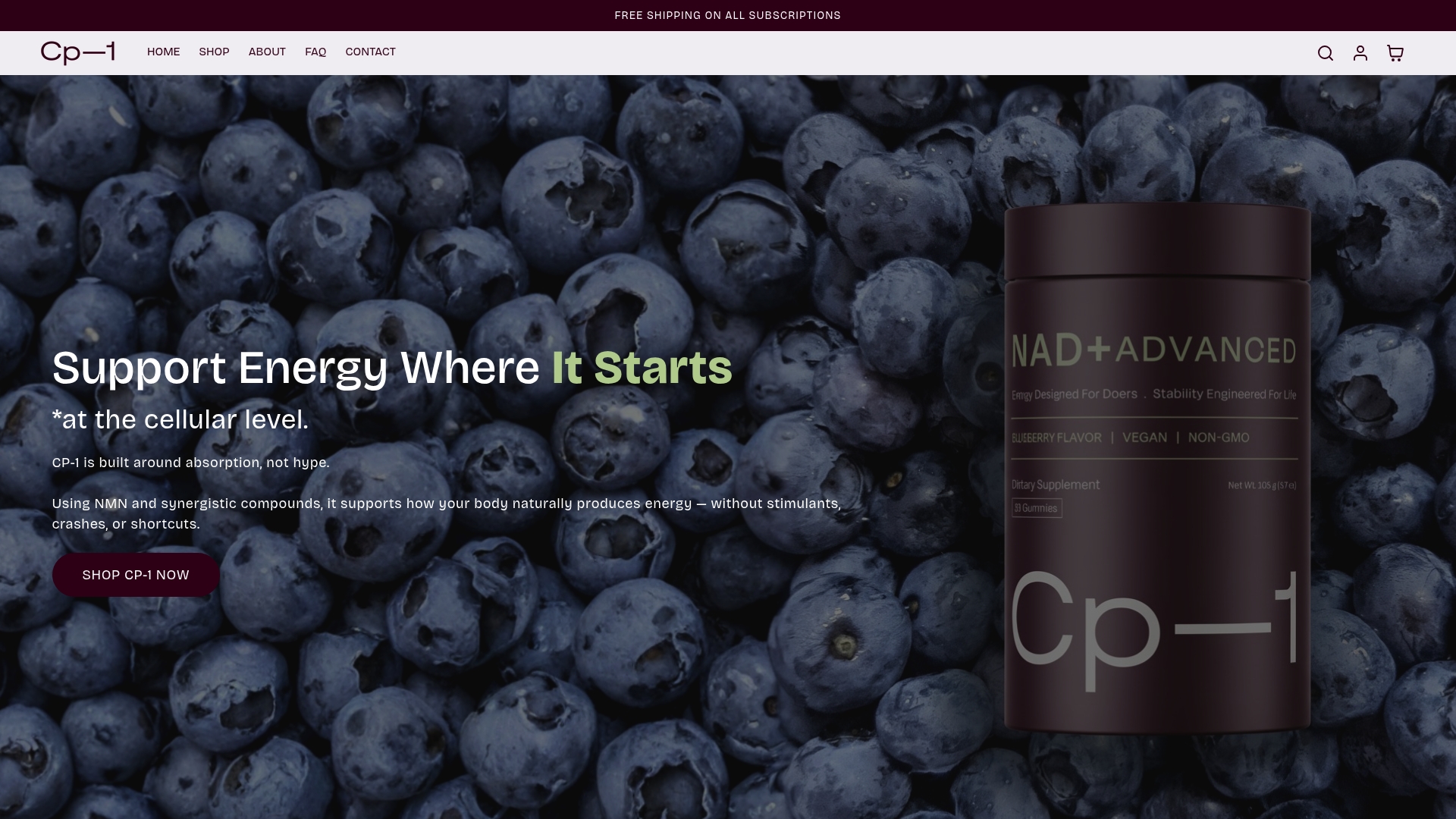
If you’re serious about getting your vegan supplement stack right, the starting point is quality you can verify. Cp-1 is built on the same principles that matter most in this article: third-party testing, vegan and non-GMO certification, and US-based manufacturing under cGMP standards. The CP-1 formula includes NMN, lion’s mane, reishi, turkey tail mushroom extracts, and CoQ10, targeting cellular energy, NAD+ production, and cognitive clarity. These are not ingredients you’ll find in a standard multivitamin. If you want to understand what verified supplement quality actually looks like before you buy anything, that’s the right place to start. Explore the full CP-1 product page and see what a no-compromise formula looks like in practice.
FAQ
Do vegans actually need supplements?
Yes. Vitamin B12 has no reliable plant source, and nutrients like vitamin D3, EPA, and DHA are either absent or poorly converted from plant foods. Supplementation is not optional for long-term vegan health.
What is the most important supplement for vegans?
Vitamin B12 is the most critical because deficiency causes irreversible neurological damage and no whole plant food provides it reliably. Take 250 mcg daily or 2,500 mcg weekly.
Can I get enough omega-3s from flaxseeds?
No. Flaxseeds provide ALA, which the body converts to active EPA and DHA at rates too low to meet daily needs. A dedicated algae-based omega-3 supplement providing 250 to 500 mg of combined EPA and DHA is required.
How do I know if my vegan supplement is high quality?
Look for certification from NSF, USP, or ConsumerLab, along with a vegan certification mark and transparent labeling of all ingredients and doses. Avoid products with proprietary blends that hide individual ingredient amounts.
Should I take a vegan multivitamin instead of individual supplements?
A multivitamin can cover B12, D3, iodine, and zinc in one product, but most multivitamins lack sufficient EPA and DHA due to cost and stability issues. A dedicated algae omega-3 supplement is still needed alongside any multi.