

Why Avoid Stimulants: Health Risks and Natural Alternatives
Stimulants are a class of psychoactive substances that increase central nervous system activity, and the health risks of stimulants outweigh their cognitive benefits for healthy individuals. Common examples include prescription amphetamines like Adderall, over-the-counter caffeine products, and energy drinks. Misuse rates among undergraduates reach 17%, and in some medical student groups that figure climbs to 47.4%. Those numbers reflect a widespread belief that stimulants sharpen performance. The evidence says otherwise, and understanding why avoid stimulants matters is the first step toward making smarter choices about energy and focus.
Why avoid stimulants: the core health argument
The central reason to avoid stimulants is that their documented harms are concrete and well-studied, while their cognitive benefits for healthy people are largely illusory. Stimulants force the nervous system into a state of artificial arousal. That arousal comes at a physiological cost that accumulates with every dose.
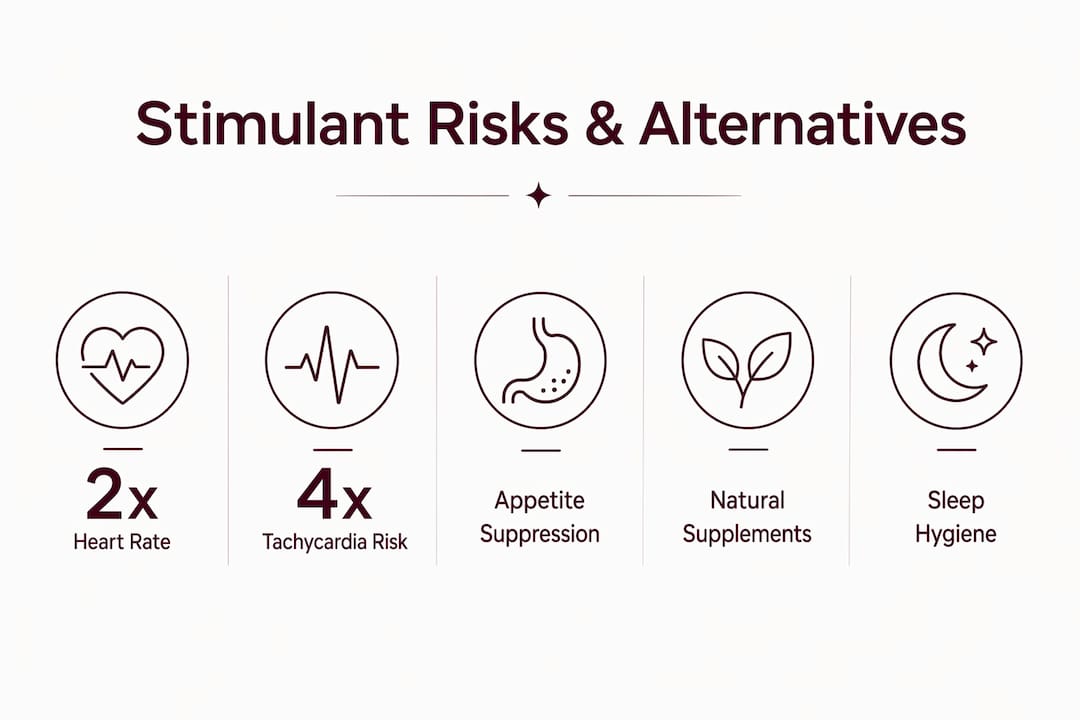
The most immediate danger is cardiovascular. A single 25 mg dose of mixed amphetamine salts can double heart rate upon standing in healthy young adults, increasing from 19 to 38 beats per minute. That is not a chronic-use finding. That is one pill, one time, in a person with no medical indication. The implication is stark: you do not need a habit to experience acute cardiovascular stress.

Prescription stimulant misuse also carries a dangerous “halo effect.” Because these drugs come from a pharmacy, many people assume they are safe for anyone. That assumption is medically unfounded. Medical origin does not equal personal safety, especially when the drug was prescribed for a different person’s neurological profile.
What are the primary health risks of stimulant use?
The dangers of stimulants fall into three categories: cardiovascular, neuropsychiatric, and metabolic. Each category carries risks that compound over time.
Cardiovascular effects
- Tachycardia: Elevated heart rate occurs even at low doses, as confirmed by the Mayo Clinic amphetamine study.
- Hypertension: Blood pressure rises acutely with stimulant intake, stressing arterial walls.
- Cardiomyopathy risk: Chronic use is associated with structural heart changes.
- No antidote available: There is no pharmacological antidote for stimulant overdose. Medical teams can only manage symptoms, treating heart rate, temperature, and seizures until the drug clears the system.
Neuropsychiatric effects
Stimulant misuse induces oxidative stress, neuroinflammation, sleep architecture disruption, and affective dysregulation. These are not rare edge cases. They are documented outcomes across meta-analyses and longitudinal studies. Stimulant-induced psychosis is a recognized clinical condition, and anxiety and depression frequently follow periods of heavy use.
“The neuropsychiatric consequences of stimulant misuse include psychosis, anxiety, depression, and disrupted sleep architecture. These effects are not limited to heavy users. They appear across dosage ranges in non-clinical populations.” International Health Sciences Review
Metabolic effects
Appetite suppression is one of the most consistent negative effects of stimulants. Chronic suppression leads to nutrient deficiencies and, in younger users, can interfere with skeletal development. The body is not designed to run on adrenaline and no food.
Pro Tip: If you use caffeine daily and notice persistent anxiety or disrupted sleep, those are early warning signs of stimulant-related neuropsychiatric stress. Reducing intake gradually is safer than stopping abruptly.
How do genetics and dosage shape your stimulant risk?
Not everyone responds to stimulants the same way. Genetic variation is a major reason why one person can drink three cups of coffee and feel fine while another develops tachycardia after one.
The CYP1A2 gene controls how quickly your liver metabolizes caffeine. Variants in CYP1A2 cause wide variation in caffeine metabolism, directly influencing cardiovascular risk profiles. “Slow metabolizers” clear caffeine much more slowly, meaning the drug stays active in their system longer and at higher effective concentrations.
Dosage compounds this variability. Caffeine increases tachycardia risk by more than four times at doses above 6 mg/kg of body weight. For a 150-pound person, that threshold is roughly 410 mg, about the amount in three to four standard cups of coffee. Slow metabolizers can hit dangerous cardiovascular territory well below that threshold.
| Metabolizer type | CYP1A2 activity | Caffeine clearance | Cardiovascular risk |
|---|---|---|---|
| Fast metabolizer | High | Rapid | Lower at moderate doses |
| Slow metabolizer | Low | Slow | Higher, even at low doses |
| Intermediate | Moderate | Average | Dose-dependent |
Individual responses to stimulants are shaped by genetics, environment, and habitual intake working together. A “one-size-fits-all” dosing approach is not just imprecise. It is genuinely dangerous for a significant portion of the population.
Pro Tip: Genetic testing for CYP1A2 variants is now commercially available. If you consume caffeine regularly and experience unusual heart rate or anxiety, this test can tell you whether your metabolism is putting you at elevated risk.
Do stimulants actually improve cognitive performance?
The short answer is no, not reliably, and not for healthy people. Controlled trials show minimal objective cognitive improvement in healthy stimulant users despite strong subjective perceptions of enhanced performance. That gap between feeling sharper and actually being sharper is the core problem.
This is cognitive dissonance in action. People feel more alert, more confident, and more focused. Those feelings are real. But when researchers measure complex working memory, fluid intelligence, or problem-solving accuracy, the numbers do not move meaningfully. The stimulant is not improving the brain’s output. It is changing how the brain feels about its output.
Several factors reinforce this misuse culture:
- Exam pressure and academic competition push students toward any perceived edge, regardless of evidence.
- Subjective confidence from stimulants is mistaken for actual cognitive gain.
- Social normalization in university and professional environments makes misuse feel routine.
- The placebo effect is powerful enough to sustain belief in a drug’s efficacy even when objective data contradicts it.
The distinction between clinical and non-clinical populations matters here. For people diagnosed with ADHD, prescription stimulants produce measurable, meaningful improvements. For healthy individuals, the cognitive dissonance between perceived and measured effects is the real story. You are paying a cardiovascular and neuropsychiatric price for a benefit that largely exists in your perception.
What are the best natural alternatives to stimulants?
The good news is that real, sustained energy and focus are achievable without stimulant risks. The alternatives are not weaker. They are built differently, working with your biology rather than forcing it.
Evidence-backed supplements
- NMN (Nicotinamide Mononucleotide): NMN is a precursor to NAD+, a molecule your cells use to produce energy at the mitochondrial level. NAD+ levels decline with age, and supplementing with NMN supports cellular energy production without activating the sympathetic nervous system. Cp-1 contains NMN as a core ingredient for this reason.
- Lion’s mane mushroom extract: Lion’s mane stimulates nerve growth factor (NGF) production, supporting neuroplasticity and cognitive function. Research links it to improved memory and reduced cognitive fatigue without any stimulant mechanism.
- Coenzyme Q10 (CoQ10): CoQ10 is a mitochondrial cofactor that supports ATP synthesis. It improves physical and mental energy at the cellular level. Cp-1 includes CoQ10 alongside NMN to support mitochondrial energy from two complementary angles.
- Reishi and turkey tail mushroom extracts: These adaptogens support stress resilience and immune function. Chronic stress is one of the biggest drains on cognitive performance, and managing it reduces the perceived need for stimulants.
Advanced supplements that boost cognition without stimulants work through cellular pathways rather than forcing arousal. The result is energy that does not crash, and focus that does not come with cardiovascular side effects.
Lifestyle foundations
No supplement replaces the basics. Sleep hygiene is the single most powerful cognitive performance tool available. Seven to nine hours of quality sleep improves memory consolidation, reaction time, and emotional regulation more reliably than any stimulant. Regular aerobic exercise increases brain-derived neurotrophic factor (BDNF), which supports neuroplasticity and sustained mental clarity. Nutrition matters too. Deficiencies in magnesium, B vitamins, and omega-3 fatty acids directly impair cognitive function.
Pro Tip: If you rely on caffeine to function in the morning, the underlying issue is usually sleep debt or nutrient deficiency, not a caffeine shortage. Fix the root cause, and the craving for stimulants drops significantly.
Non-stimulant energy approaches build a foundation that compounds over time. Stimulants borrow energy from tomorrow. Natural approaches generate it today.
Key Takeaways
Avoiding stimulants protects cardiovascular health, preserves neurological function, and delivers more reliable cognitive performance through evidence-based natural alternatives.
| Point | Details |
|---|---|
| Acute cardiovascular risk | A single stimulant dose can double heart rate in healthy adults, with no antidote available for overdose. |
| Neuropsychiatric consequences | Stimulant misuse causes oxidative stress, sleep disruption, anxiety, and increased psychosis risk. |
| Genetic variability matters | CYP1A2 variants make stimulant risks unpredictable; slow metabolizers face elevated cardiovascular danger at standard doses. |
| Cognitive benefits are largely perceived | Controlled trials show minimal objective improvement in healthy users despite strong subjective feelings of enhancement. |
| Natural alternatives work differently | NMN, lion’s mane, CoQ10, and lifestyle practices build cellular energy without triggering stimulant-related side effects. |
The uncomfortable truth about stimulant culture
I spent years watching people around me reach for stimulants as a productivity shortcut. Students pulling all-nighters on prescription amphetamines. Professionals stacking high-dose caffeine products before every meeting. The pattern was always the same: short-term confidence, followed by anxiety, poor sleep, and eventually a dependency that felt impossible to break.
What bothers me most is the false safety narrative. Because caffeine is legal and amphetamines come from a doctor, people treat them as inherently benign. The research does not support that. A drug that can double your heart rate with one dose, has no antidote in overdose, and delivers cognitive benefits that are mostly placebo is not a productivity tool. It is a risk with a marketing problem.
The social pressure driving stimulant misuse in academic and professional environments is real, and I do not dismiss it. But the answer to that pressure is not a drug that trades your long-term neurological health for a short-term feeling of sharpness. The answer is building a biology that does not need to be forced.
That is exactly why I built Cp-1 around ingredients like NMN, lion’s mane, and CoQ10. These compounds work at the cellular level. They do not hijack your nervous system. They support the machinery your body already has. The energy you get from that approach is quieter, but it is real, and it does not come with a crash or a cardiovascular bill.
— Hugo
Cp-1 supports energy and focus the right way
Cp-1 is built for people who are done with the stimulant cycle and want something that actually works at the cellular level.
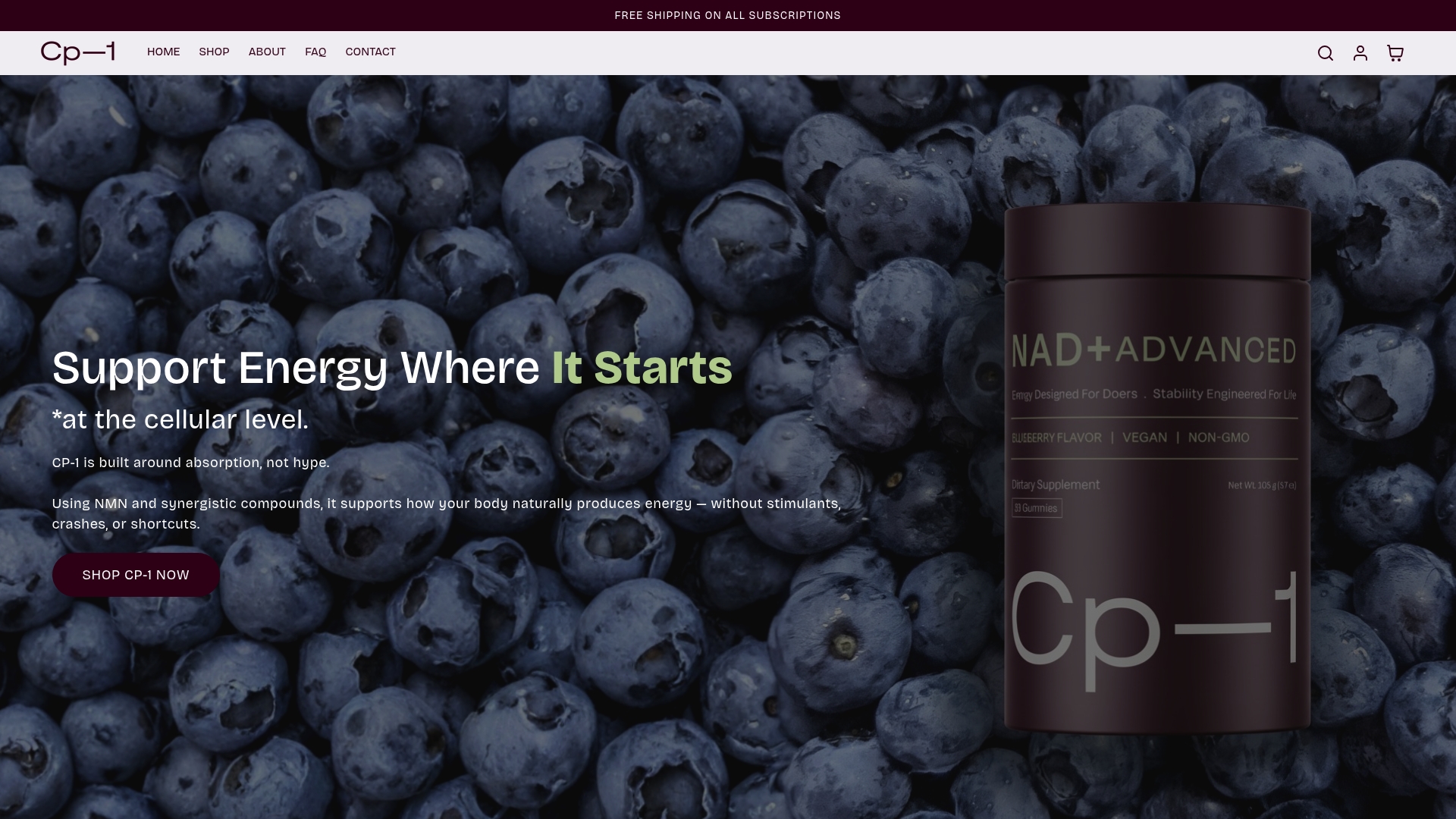
The Cp-1 formula combines NMN, lion’s mane mushroom extract, reishi, turkey tail, and CoQ10 in a vegan, non-GMO, third-party-tested supplement manufactured in the US. Every ingredient targets a specific pathway: NAD+ production, mitochondrial energy, neuroplasticity, and stress resilience. No stimulants. No crash. If you want to understand how these ingredients work together, the Cp-1 cognitive wellness guide breaks it down clearly. Or go straight to the Cp-1 product page to see the full formulation.
FAQ
Why avoid stimulants if they make you feel more focused?
Stimulants create a strong subjective sense of focus, but controlled trials show minimal objective cognitive improvement in healthy individuals. The feeling is real; the performance gain largely is not.
What are the most serious health risks of stimulants?
The most serious risks include acute cardiovascular stress, stimulant-induced psychosis, sleep disruption, and neuroinflammation. There is no pharmacological antidote for stimulant overdose, making prevention critical.
How does caffeine affect the heart specifically?
Caffeine increases tachycardia risk by more than four times at doses above 6 mg/kg of body weight. Individuals with slow CYP1A2 metabolism face elevated cardiovascular risk even at lower doses.
What natural supplements support focus without stimulant risks?
NMN, lion’s mane mushroom extract, CoQ10, and adaptogenic mushrooms like reishi support cognitive function and cellular energy through non-stimulant pathways. These ingredients work with mitochondrial and neurological systems rather than forcing arousal.
Is caffeine safe in moderate amounts?
Moderate caffeine intake may have neutral effects for fast metabolizers, but individual context, genetic profile, and consumption method all influence outcomes. Anyone experiencing anxiety, tachycardia, or disrupted sleep should reassess their intake regardless of dose.