

Why Boost Immune Defense: Science-Backed Strategies
Immune defense is defined as the body’s coordinated network of cells, proteins, and organs that identify and neutralize threats before they cause lasting harm. The real question of why boost immune defense comes down to this: your immune system does not need to be cranked up. It needs to be kept steady, well-nourished, and ready. Vitamin C, vitamin D, zinc, and protein are the micronutrients most directly tied to immune resilience. Your innate immunity responds fast and broadly; your adaptive immunity learns and targets specific threats. Both arms require consistent daily support, not a monthly supplement binge.
Why does supporting immune defense actually matter?
The immune system does more than fight colds. It maintains physiological stability, clears damaged cells, and regulates inflammation throughout your entire life. When it falls short, the consequences go well beyond a runny nose.
Subclinical micronutrient deficiencies significantly increase susceptibility to infections and chronic diseases, raising the overall healthcare burden. The striking part is that these deficiencies remain common even in high-income countries with ample food supply. You can eat three meals a day and still be quietly running low on zinc or vitamin D.
Aging compounds the problem. Immunosenescence, the gradual decline of immune function with age, makes older adults more vulnerable to infections, slower to heal, and less responsive to vaccines. This is not inevitable, but it is predictable. Consistent micronutrient sufficiency slows that decline more reliably than any single supplement taken during cold season.
The case for immune support is not about fear. It is about recognizing that a well-regulated immune system is one of the most valuable assets you have for long-term health. Neglecting it through poor diet, chronic stress, or inadequate sleep has measurable consequences. Investing in it through daily habits pays dividends for decades.
- Steady micronutrient intake reduces infection risk and chronic disease burden
- Aging weakens both innate and adaptive immune responses over time
- Episodic supplementation does not compensate for persistent nutritional gaps
- Immune resilience affects energy, recovery, and long-term disease risk
How do diet, exercise, and sleep build immune resilience?
The foundation of immune health is not found in a capsule. It is built through the habits you repeat every single day.
Nutrition: feed your immune cells
A diet rich in fruits, vegetables, legumes, and lean protein gives your immune cells the raw materials they need to function. Zinc is critical for both innate and adaptive immune cell regulation, but the body stores it poorly. That means you need it regularly through food, not just when you feel a cold coming on. Protein supports immune cell function directly, and during illness, inadequate intake forces the body to break down muscle tissue to fuel immune activity. That is a trade-off you want to avoid.
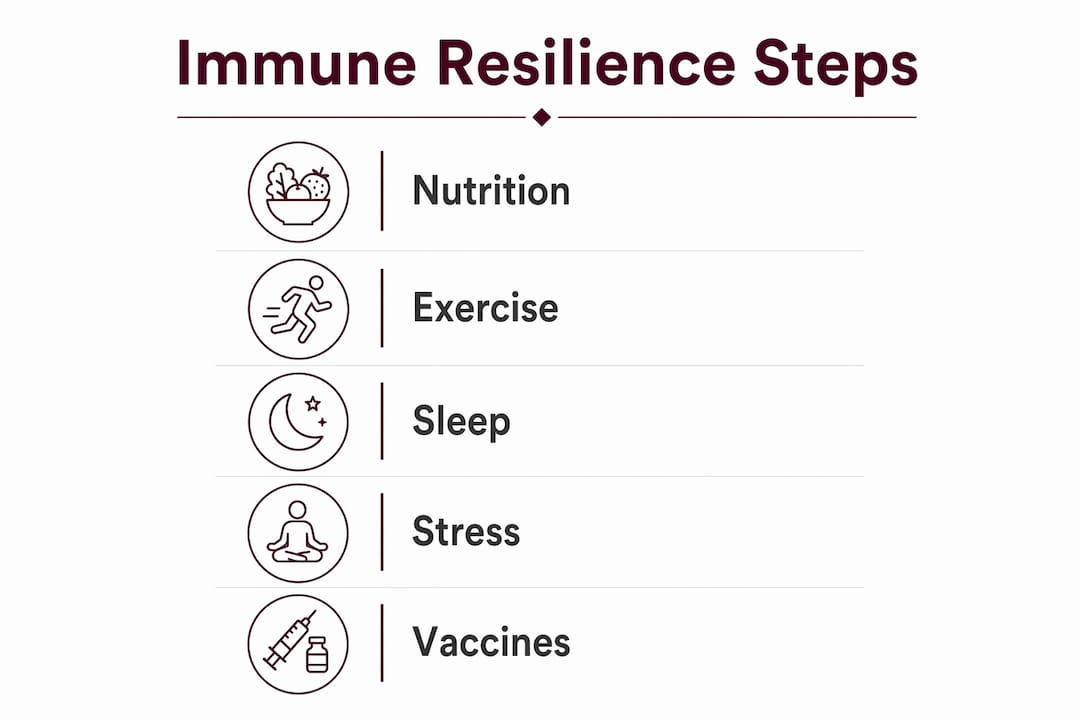
Vitamin C supports antioxidant defense in immune cells and preserves the epithelial barriers that keep pathogens out. Because it is water-soluble, excess vitamin C is simply excreted. Eating citrus, peppers, and leafy greens daily is far more effective than megadosing a supplement after symptoms appear.
Exercise: move to regulate, not just to burn
Both aerobic and strength training improve immune cell circulation and train the immune system to regulate its response without overshooting into harmful inflammation. Regular moderate exercise is one of the most consistent immune support strategies in the research literature. The key word is moderate. Extreme endurance training without adequate recovery can temporarily suppress immune function.

Sleep: when your immune system does its best work
Deep sleep in the first half of the night is especially important for immune cell proliferation and error reduction during cell division. Cutting sleep short does not just make you tired. It directly impairs the production of the immune cells your body needs to respond to threats. Seven to nine hours is not a luxury. It is a biological requirement for immune health.
Pro Tip: Balancing activity and rest is the actual strategy. A hard workout followed by poor sleep cancels out the immune benefit of the exercise. Treat recovery as part of the training.
Chronic stress is the fourth pillar most people ignore. Sustained cortisol elevation suppresses immune regulation, making you more susceptible to infections and slower to recover. Mindfulness practices, social connection, and deliberate downtime are not soft wellness advice. They are direct inputs into immune function.
Are immune booster supplements actually doing anything?
Most immune booster marketing sells a feeling, not a mechanism. This is where the science gets blunt.
Overactivating the immune system is linked to allergies, autoimmune diseases, and dangerous cytokine storms. The goal is immune homeostasis, a well-regulated adaptive response, not a hyperactive one. A supplement that genuinely “boosted” your immune system without specificity would cause more harm than good.
“Immune booster marketing often lacks scientific specificity. True immune enhancement requires well-defined mechanisms and measurable effects. Otherwise, it sells only a feeling.” The supplement industry has built a multi-billion dollar category on that feeling.
Here is what the evidence actually shows about common supplements:
- Vitamin C: Supports immune cell function at adequate levels, but supplementation beyond dietary intake offers limited acute benefit. Excess is excreted.
- Zinc: Necessary for immune regulation, but excess supplementation can inhibit absorption of other nutrients. Food sources are preferable.
- Vitamin D: Deficiency genuinely impairs immune function. Supplementation is warranted when a confirmed deficiency exists, not as a general booster.
- Omega-3s: These modulate inflammation rather than boost immunity. They are better understood as tools for managing immune balance in chronic disease conditions.
Vaccines are the most effective method to train adaptive immunity. They prepare the body to recognize specific pathogens before infection happens. No supplement does this. Vaccines are the one intervention that genuinely educates your immune system with precision. Staying current with recommended vaccinations is the highest-return immune strategy available.
Before adding any supplement to your routine, check the supplement label carefully for third-party testing, ingredient transparency, and realistic claims. Unregulated products carry real risks, including contamination and misleading dosing.
What are the practical steps to strengthen immunity every day?
Knowing the science is one thing. Applying it consistently is another. These are the strategies that actually move the needle on immune resilience.
- Eat a diverse, nutrient-dense diet daily. Prioritize colorful vegetables, fruits, legumes, whole grains, and lean protein at every meal. Variety matters because different foods supply different micronutrients.
- Exercise moderately and consistently. Aim for at least 150 minutes of moderate aerobic activity per week, plus two strength training sessions. Both formats contribute to balanced immune function.
- Protect your sleep. Target 7–9 hours per night. Keep a consistent sleep schedule, limit screens before bed, and treat your sleep environment as a health tool.
- Manage stress deliberately. Chronic stress is not just uncomfortable. It directly suppresses immune regulation. Build in recovery time, social connection, and stress-reduction practices that work for you.
- Stay current with vaccinations. Follow guidelines from your healthcare provider. Vaccines are the only intervention that trains adaptive immunity against specific pathogens.
- Supplement only when indicated. If blood work confirms a vitamin D or zinc deficiency, address it. Otherwise, prioritize food sources and consult a healthcare provider before adding supplements.
| Daily habit | Immune benefit |
|---|---|
| Diverse, plant-rich diet | Supplies zinc, vitamin C, and protein for immune cell function |
| Moderate exercise | Improves immune cell circulation and reduces inflammatory overshoot |
| 7–9 hours of sleep | Supports immune cell production and division accuracy |
| Stress management | Prevents cortisol-driven suppression of immune regulation |
| Current vaccinations | Trains adaptive immunity against specific pathogens |
Pro Tip: If you want to know where your immune support gaps actually are, get a basic blood panel. Checking vitamin D, zinc, and protein markers gives you real data instead of guesswork.
For a deeper look at the evidence behind immune support, the research on what works and what does not is more nuanced than most supplement labels suggest.
Key Takeaways
Immune defense is best maintained through consistent daily habits, not episodic supplementation, because the immune system requires steady micronutrient supply, regulated sleep, moderate exercise, and vaccination to stay both calm and ready.
| Point | Details |
|---|---|
| Support, do not boost | The goal is immune homeostasis, not hyperactivation, which causes autoimmune risk. |
| Micronutrients matter daily | Zinc, vitamin D, and protein must be replenished regularly through food or confirmed-deficiency supplementation. |
| Sleep is non-negotiable | Deep sleep drives immune cell production; 7–9 hours is a biological requirement, not a preference. |
| Vaccines train adaptive immunity | No supplement replicates the specific pathogen recognition that vaccines provide. |
| Lifestyle beats supplements | Diet, exercise, sleep, and stress management outperform any single supplement for long-term immune resilience. |
The honest truth about immune health that most articles skip
I have spent years watching people spend real money on products that promise immune support and deliver almost nothing measurable. The frustration is not just with the products. It is with the framing. The word “boost” implies that more immune activity equals better health. That is simply wrong.
A fever is not your immune system failing. It is your immune system working. Symptoms like cough and fatigue are signs of an active defense response, not evidence that you need more supplements. Wellness experts consistently emphasize keeping the immune system calm but ready. That framing changes everything about how you approach your daily habits.
What I have found actually works is unglamorous: consistent sleep, real food, regular movement, and staying current on vaccines. The people I see with the most resilient health are not the ones with the most elaborate supplement stacks. They are the ones who have made the basics non-negotiable. That is the real immune defense strategy. Everything else is marketing.
— Hugo
What Cp-1 offers for evidence-based immune wellness
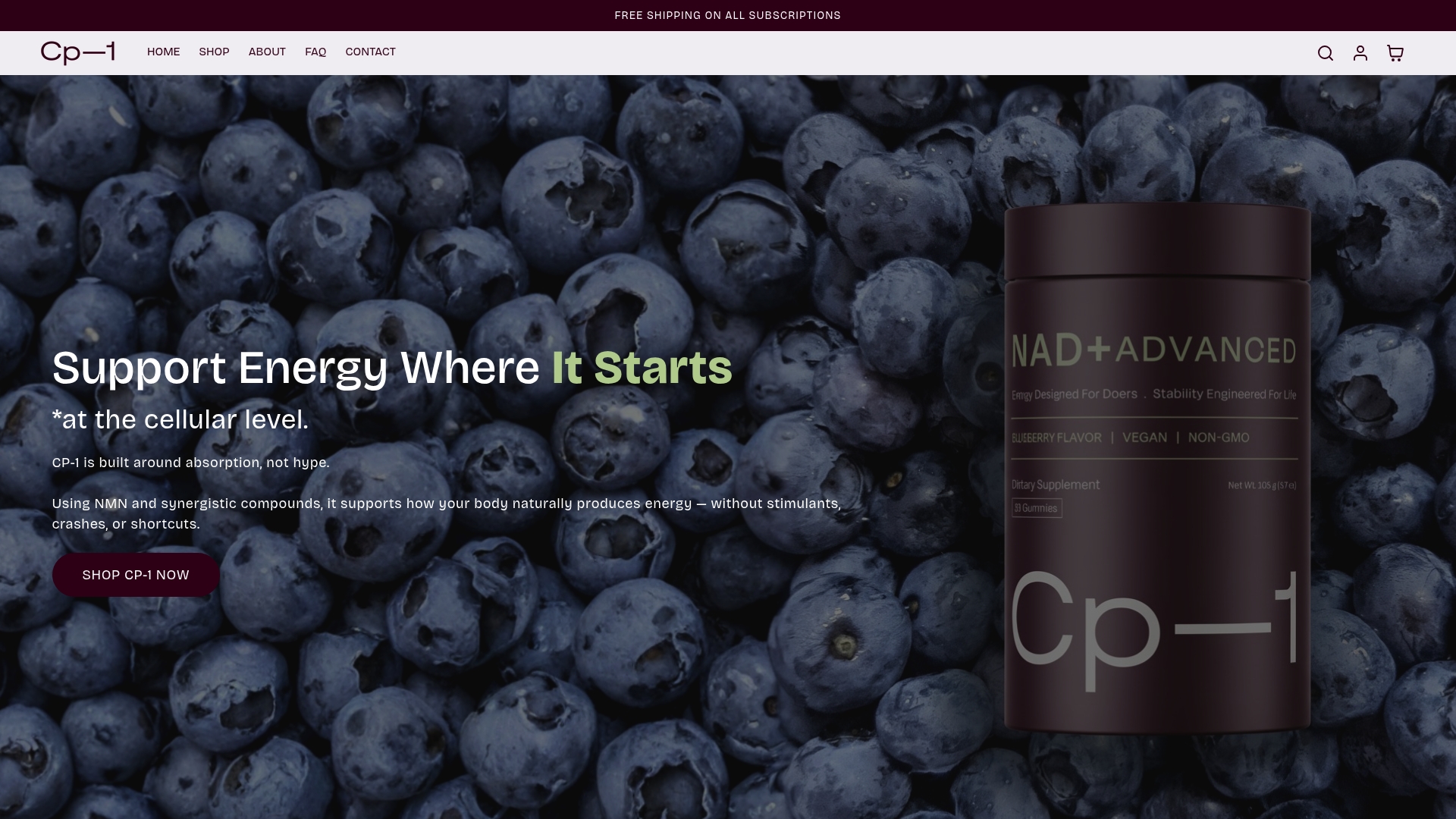
Cp-1 was built for people who are tired of products that sound good on a label but do not hold up to scrutiny. The supplement contains ingredients like reishi mushroom extract, turkey tail mushroom extract, lion’s mane, NMN, and coenzyme Q10, all selected for their roles in cellular energy, stress resilience, and immune health. Every batch is third-party tested, vegan, non-GMO, and manufactured in the US. If you want to understand how these ingredients fit into a real daily immune support routine, the Cp-1 resource library covers the evidence without the hype. For those ready to take the next step, explore Cp-1 and see what evidence-based immune wellness actually looks like in practice.
FAQ
What does it mean to support immune defense?
Supporting immune defense means maintaining the conditions your immune system needs to function well, including adequate micronutrients, sleep, exercise, and vaccination. The goal is a well-regulated immune response, not a hyperactive one.
Can supplements boost your immune system?
Most supplements do not boost immunity in any clinically meaningful way. Vitamin C and zinc support immune function at adequate levels, but supplementation beyond dietary needs offers limited benefit and excess zinc can impair nutrient absorption.
Why are vaccines considered the best immune defense strategy?
Vaccines train adaptive immunity by enabling the body to recognize specific pathogens before infection occurs. No lifestyle habit or supplement replicates that level of targeted immune preparation.
How does sleep affect immune health?
Deep sleep drives immune cell production and reduces errors during cell division. Consistently sleeping fewer than seven hours impairs immune function in measurable ways.
What micronutrients matter most for immune resilience?
Zinc, vitamin D, vitamin C, and protein are the most directly tied to immune cell function and defense. Because zinc and vitamin D are poorly stored in the body, regular dietary intake or confirmed-deficiency supplementation is necessary.