
Most people trying to figure out how to support immune health are working from a broken mental model. They think the goal is to make their immune system “stronger,” like maxing out a stat in a video game. But your immune system doesn’t work that way. It works best in balance. An overactive immune system causes autoimmune disorders. An underactive one leaves you vulnerable. What you actually want is a well-regulated, responsive system. This guide covers the real, science-backed strategies that get you there.
Table of Contents
- Key takeaways
- How to support immune health: the foundational habits
- Nutrition that actually moves the needle
- Building a daily routine that sticks
- Trained immunity and the role of vaccines
- My honest take on all of this
- What Cp-1 offers for immune health support
- FAQ
Key takeaways
| Point | Details |
|---|---|
| Immunity is about balance | The goal is a well-regulated immune response, not simply a “stronger” one. |
| Sleep and stress are non-negotiable | Chronic stress and poor sleep directly suppress immune cell activity. |
| Gut health drives immune health | 70% of immune cells live in your gut, making diet your most powerful immune tool. |
| Moderate exercise beats intense workouts | Consistent moderate activity builds immune resilience; over-exercising suppresses it. |
| Vaccines are part of your immune toolkit | Vaccine-induced immunity is a medically sound and practical pillar of long-term immune health. |
How to support immune health: the foundational habits
Before you touch a single supplement or specialty food, you need to get the basics right. These aren’t optional prerequisites. They are the foundation that determines whether anything else you do actually works.
Exercise the right amount
150 minutes of moderate aerobic activity per week is the target most research points to for improved immune function. That breaks down to about 30 minutes, five days a week. Brisk walking, cycling, swimming, even a sustained hike all count. The key word is moderate. You want to be breathing harder than normal but still able to hold a conversation.
Here is what most people get wrong: they think going harder means better results. It does not. Over-exercising without recovery can actually suppress immune function by driving up cortisol levels. Consistency beats intensity every single time.
Protect your sleep
Seven to eight hours of sleep per night is not a luxury. It is when your body produces the proteins that fight infection. Cut it short and your immune system pays the price within days.
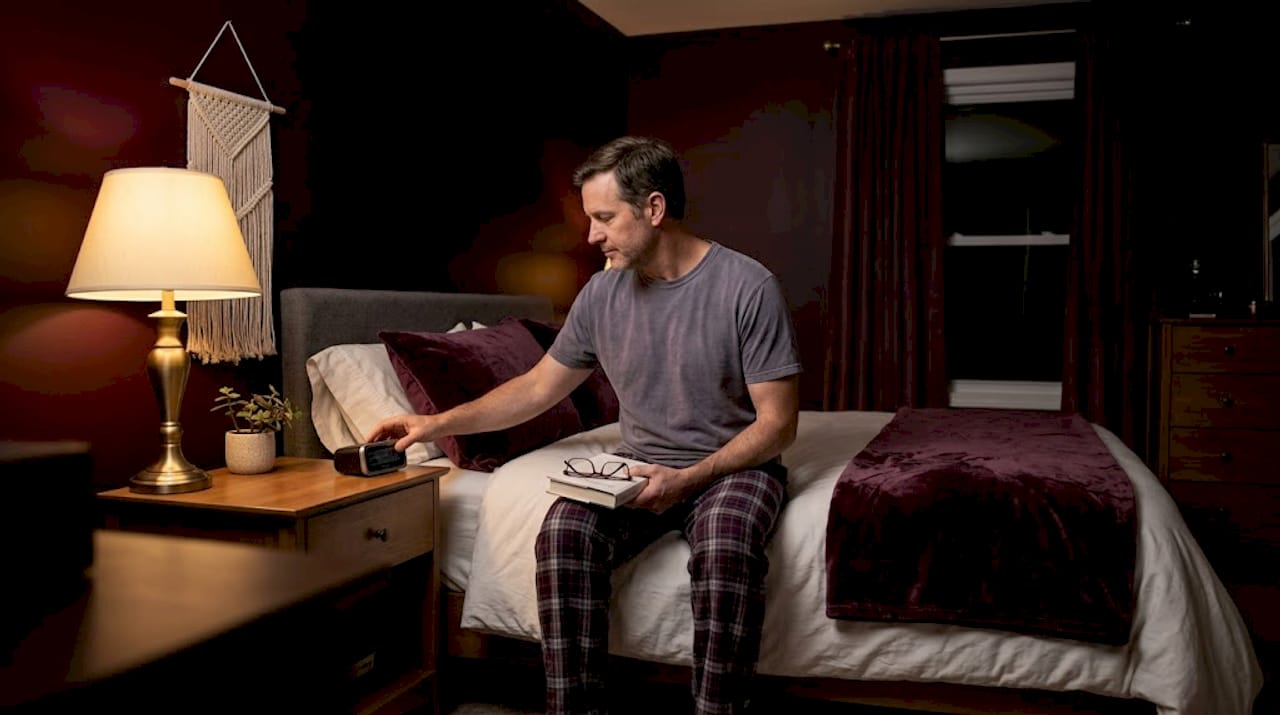
Good sleep hygiene means the same bedtime and wake time every day, a cool and dark room, and no screens in the 30 minutes before bed. These aren’t complicated rules. They just require consistency.
Manage stress deliberately
Chronic stress suppresses immune cell activity through prolonged cortisol exposure. Ten to thirty minutes of daily meditation or low-intensity walking can meaningfully reduce that cortisol load. Apps like Calm or even a simple breathing practice work fine. The point is to do it daily, not just when you feel overwhelmed.
- Avoid tobacco entirely. It directly impairs respiratory immune defenses.
- Limit alcohol to no more than one drink per day. More than that degrades immune cell production over time.
- Build stress relief into your schedule the same way you would any appointment.
Pro Tip: If you can only pick one stress-reduction habit, pick walking outdoors. You get cortisol reduction, light movement, and sunlight exposure for vitamin D production all at once.
Nutrition that actually moves the needle
Diet is where most people have the most leverage and also the most confusion. The supplement aisle is full of products promising immune miracles. Whole foods, eaten consistently, will outperform almost all of them.
Start with your gut
Seventy percent of your immune cells live in gut-associated lymphoid tissue. Feed your gut wrong, and you are working against yourself no matter what else you do. Fiber feeds beneficial bacteria, which in turn support the immune cells lining your digestive tract. Fermented foods like yogurt, kefir, kimchi, and sauerkraut directly introduce beneficial bacteria that support immune regulation.
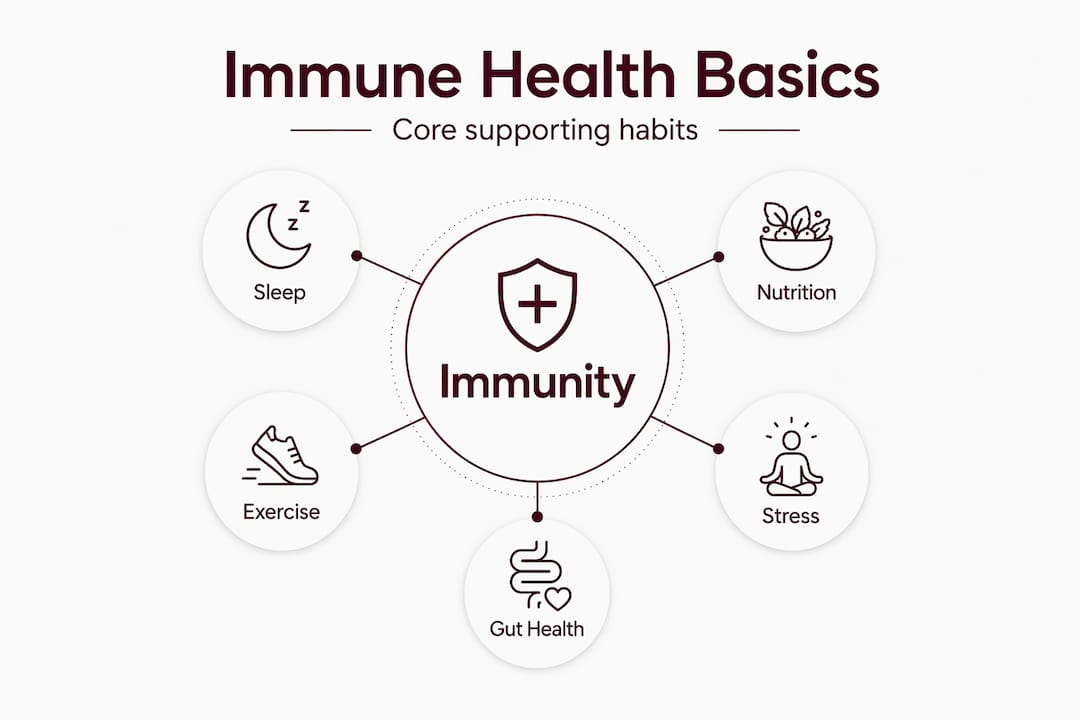
The nutrients your immune cells depend on
Your immune cells need specific raw materials to function. These nutrients show up consistently in the research:
- Vitamin C: Found in citrus, bell peppers, and strawberries. Supports production of white blood cells.
- Vitamin D: Found in fatty fish, egg yolks, and fortified foods. Low vitamin D levels are linked to increased infection susceptibility.
- Vitamin A: Found in sweet potatoes, carrots, and leafy greens. Critical for maintaining mucosal barriers in the respiratory and digestive tracts.
- Zinc: Found in pumpkin seeds, beef, and chickpeas. Required for immune cell development and signaling.
- Selenium: Found in Brazil nuts and tuna. Acts as an antioxidant that protects immune cells from oxidative damage.
A diet rich in antioxidants, phytochemicals, and lean proteins provides most of these nutrients naturally.
Whole foods vs. supplements: what the evidence says
| Approach | Strengths | Limitations |
|---|---|---|
| Whole foods | Delivers nutrients with fiber, cofactors, and phytonutrients intact | Requires planning and consistency |
| Supplements | Convenient, targeted doses | Often poorly absorbed; can create imbalances with excess |
| Fermented foods | Directly supports gut microbiome diversity | Benefits take weeks to accumulate |
| Functional mushrooms | Documented immune-modulating compounds | Quality varies widely by product |
Long-term gut health support is better achieved through whole foods than short-term supplementation. That said, functional mushrooms like lion’s mane, reishi, and turkey tail are a legitimate category. They contain beta-glucans and other compounds with documented immune-modulating effects. If you want to understand the specifics, the science behind mushroom extracts is worth reading before buying anything.
Pro Tip: Brazil nuts are one of the most concentrated dietary sources of selenium on the planet. Two per day covers your daily requirement. No supplement needed.
Building a daily routine that sticks
Knowing what helps your immune system is one thing. Building it into your actual day is another. The research on immune health is not lacking. The follow-through is.
Here is a practical daily framework:
- Morning: Get sunlight within 30 minutes of waking. This anchors your circadian rhythm, which directly affects immune cell timing and function. A 10-minute walk outside counts.
- Hydration: Drink water consistently throughout the day. Lymphatic fluid, which carries immune cells through your body, is water-based. Dehydration slows that entire system down.
- Meals: Build each meal around a vegetable base, add a quality protein source, and include a fiber-rich carbohydrate. This pattern naturally delivers the nutrients your immune cells need without any tracking required.
- Movement: Take the stairs. Walk during calls. Bike to errands if you can. Structured exercise matters, but non-exercise movement throughout the day adds up and supports circulation and lymphatic flow.
- Evening: Dim lights and stop eating 2 to 3 hours before bed. Both actions support melatonin production and deeper sleep stages where immune repair happens.
One pitfall worth naming: over-relying on supplements as a substitute for these habits. A lot of people spend money on immune formulas while sleeping six hours a night and eating poorly. The supplements are not going to fix that. Get the routine right first, then consider targeted supplementation as a complement.
Pro Tip: Meal prepping on Sundays is one of the highest-return immune health habits you can build. When healthy food is already in the fridge, the decision to eat it is effortless.
Trained immunity and the role of vaccines
There is a concept in immunology that most people have never heard of: trained immunity. It refers to the ability of innate immune cells to adapt through epigenetic reprogramming after an initial exposure. Basically, certain immune cells can “remember” past threats and respond faster and more effectively the next time around. This is different from the antibody-based memory most people associate with immunity.
Vaccines leverage a similar principle. They give your immune system a controlled introduction to a pathogen so it can build a response without you having to get sick. This is why vaccine-induced immunity is often more reliable and safer than immunity acquired through natural infection. Natural infection can prepare the immune system, but it also comes with real risks. Vaccines target key pathogen components safely, without those risks.
A few things that trip people up here:
- Vaccines do not weaken your immune system. They train it.
- Natural infection is not categorically better than vaccination. In many cases it is riskier.
- Immunity from vaccines does not mean you stop benefiting from lifestyle practices. Both work together.
The evidence is clear: staying current on recommended vaccines is one of the most direct, evidence-based ways to support immune function for specific threats, and it works alongside, not instead of, the habits covered in this guide.
Understanding what trained immunity actually means changes how you think about immune health. It is not a static shield you maintain. It is a dynamic, adaptive system you influence every day.
My honest take on all of this
I’ve spent a lot of time frustrated by how immune health gets marketed. Walk into any supplement store and you’ll find shelves of products promising to “supercharge” your defenses. Most of it is noise.
What I’ve learned is that the immune system doesn’t respond to hype. It responds to consistency. The people I’ve seen stay healthiest over time are not the ones cycling through the latest immunity supplements. They are the ones sleeping seven to eight hours, moving their bodies regularly, eating real food, and managing stress with actual practices, not just acknowledging that stress is bad.
I’ve also noticed a real tendency to view vaccines and lifestyle as competing camps. They are not. They address different threats through different mechanisms. Treating them as an either-or choice is like refusing to wear a seatbelt because you drive carefully. Use both.
The most underrated insight I keep coming back to: immunity is personal, efficient, and specific. Talking about it as simply “strong” or “weak” misses how it actually works. Your goal isn’t to crank a dial to max. It’s to support a system that already knows what it’s doing. Get out of its way. Give it what it needs. That’s the whole game.
— Hugo
What Cp-1 offers for immune health support
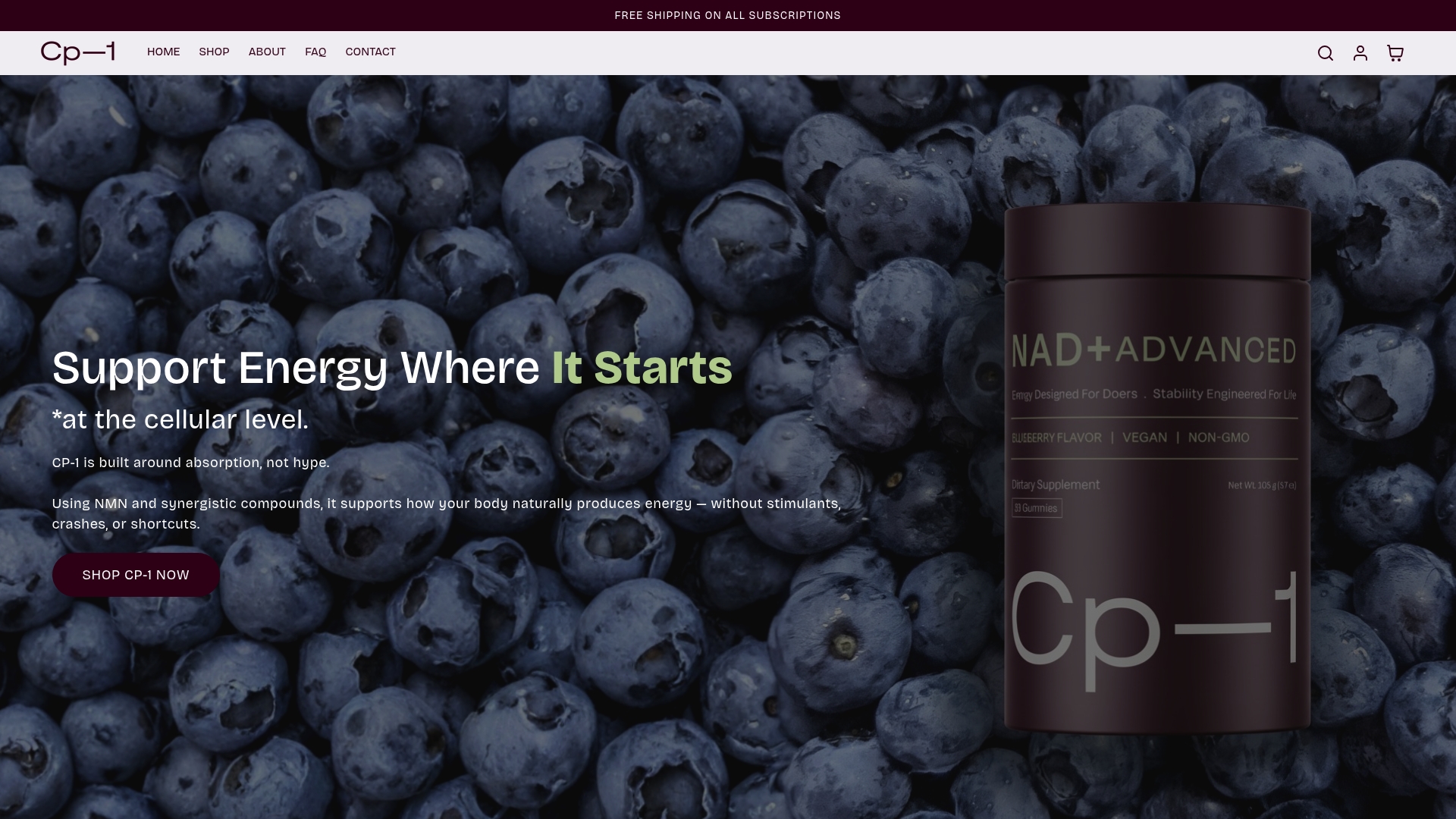
If you’ve got the foundational habits in place and want to explore targeted nutritional support, Cp-1 was built for exactly that. The CP-1 formula includes lion’s mane, reishi, and turkey tail mushroom extracts, all selected for their documented immune-modulating properties. It also contains coenzyme Q10 and NMN to support the cellular energy that immune cells need to do their job. Everything is third-party tested, vegan, non-GMO, and made in the US. No filler. No placebo. If you want to look into what functional mushrooms can specifically do for immune wellness, start with the turkey tail mushroom benefits breakdown on the Cp-1 blog.
FAQ
What does “supporting immune health” actually mean?
Supporting immune health means maintaining the conditions your immune system needs to function well. This includes quality sleep, regular movement, a nutrient-dense diet, stress management, and staying current on vaccines.
How much exercise is good for immune health?
150 minutes of moderate aerobic exercise per week is the research-backed target. More intense or frequent exercise without adequate recovery can suppress immunity rather than support it.
Why does gut health matter for immunity?
Because roughly 70% of your immune cells are located in gut-associated tissue, diet directly determines how well those cells are supported. Fiber and fermented foods are the most practical tools you have.
Are supplements necessary to boost the immune system?
No. Whole foods, sleep, exercise, and stress management deliver most of what your immune system needs. Supplements can fill specific gaps but cannot replace foundational habits.
Do vaccines actually help with long-term immune health?
Yes. Vaccine-induced immunity safely prepares your immune system for specific threats without the risks of natural infection. It is a direct and evidence-based tool for long-term immune protection.