

Best Recovery Supplements: Science-Backed Guide for 2026
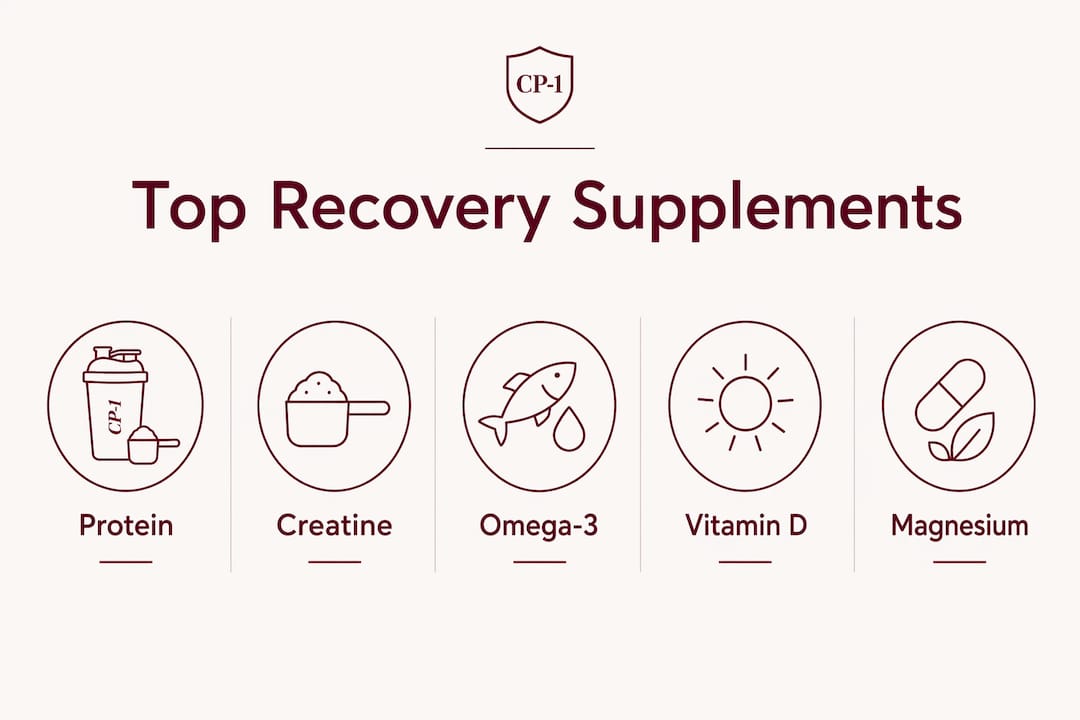
The best recovery supplement isn’t a single magic pill. It’s whichever compound fills the specific gap in your recovery stack after you’ve nailed the fundamentals: adequate protein, quality sleep, and real food. That said, the research does point to a clear shortlist. Protein, creatine monohydrate, BCAAs, omega-3 fatty acids, vitamin D, magnesium, collagen, curcumin, and ashwagandha all have meaningful evidence behind them, though the strength of that evidence varies considerably from one to the next.
Here’s what the science actually supports, at a glance:
- Protein: Directly drives muscle protein synthesis; the most evidence-backed post-workout supplement available
- Creatine monohydrate: Enhances high-intensity recovery and lean mass; safe at recommended doses for most athletes
- BCAAs: May reduce fatigue perception and preserve lean mass, especially in calorie-restricted athletes
- Omega-3 fatty acids: One of only two compounds with substantial research backing for post-exercise recovery
- Vitamin D: Supports muscle function and immune health; deficiency is common in athletes training indoors
- Magnesium: Critical for muscle contraction, fluid balance, and sleep quality
- Collagen: Supports connective tissue repair; most useful for joint-heavy training
- Curcumin: Promising for soreness reduction at 1.5–5g daily, though outcomes are mixed
- Ashwagandha: May reduce soreness and improve stress recovery at 600mg daily
One thing the research makes clear: supplements are marginal aids. They work on top of a solid foundation, not instead of one. If your calories, protein intake, hydration, and sleep are dialed in, the right supplement can give you a real edge. If those basics are missing, no supplement will compensate.
| Supplement | Primary recovery benefit | Evidence strength | Typical daily dose |
|---|---|---|---|
| Protein | Muscle protein synthesis | High | 1.4–2.0g per kg body weight |
| Creatine monohydrate | High-intensity recovery, lean mass | High | 3–5g maintenance |
| Omega-3 fatty acids | Inflammation reduction | High | 1–3g EPA/DHA |
| BCAAs | Fatigue reduction, lean mass | Moderate | 10–30g |
| Magnesium | Muscle function, sleep | Moderate | 310–420mg |
| Vitamin D | Muscle health, immune support | Moderate | 1,000–2,000 IU |
| Collagen | Connective tissue, joints | Moderate | 10–15g |
| Curcumin | Soreness reduction | Mixed | 1.5–5g with piperine |
| Ashwagandha | Soreness, stress recovery | Limited | 600mg |
1. How protein drives muscle repair after exercise
Protein is the foundation of every effective post-workout recovery plan. When you train hard, muscle fibers sustain microtears. Protein provides the amino acids your body needs to rebuild those fibers stronger than before, a process called muscle protein synthesis (MPS).

Not all protein is equal for recovery. High-leucine sources, particularly whey protein, trigger MPS most effectively. Research shows that a serving containing roughly 3g of leucine is the threshold dose needed to maximally stimulate muscle repair. That typically translates to 20–40g of a quality protein supplement per serving, depending on the source.
Key benefits of protein supplementation for recovery:
- Stimulates muscle protein synthesis directly after exercise
- Supports lean mass retention during calorie-restricted training phases
- Whey protein absorbs quickly, making it well-suited for post-workout use
- Casein digests slowly, providing a sustained amino acid release overnight
- Plant-based blends (pea plus rice) can match whey’s leucine profile when properly formulated
Dosage guidelines for active individuals generally sit at 1.4–2.0g of protein per kilogram of body weight per day. Athletes in heavy training phases may benefit from the higher end of that range. Timing matters less than total daily intake, though consuming protein within a few hours of training does support the recovery window.
| Protein type | Leucine content | Best timing | Notes |
|---|---|---|---|
| Whey concentrate | High | Post-workout | Fast-absorbing, well-researched |
| Whey isolate | High | Post-workout | Lower lactose, slightly faster absorption |
| Casein | Moderate | Before bed | Slow-release, supports overnight repair |
| Plant blend (pea/rice) | Moderate | Any time | Suitable for vegan athletes |
Pro Tip: If you’re eating enough whole food protein throughout the day, a shake is just a convenient top-up, not a requirement. Track your total daily intake first before spending money on protein powders.
2. Why creatine monohydrate belongs in your recovery stack
Creatine monohydrate is the most thoroughly researched performance supplement in existence. The International Society of Sports Nutrition (ISSN) calls it the most effective nutritional supplement currently available for enhancing high-intensity exercise capacity and lean body mass. That’s not marketing copy. That’s a position statement backed by decades of clinical trials.

Here’s how it works for recovery specifically. Your muscles use phosphocreatine to regenerate ATP during short, intense efforts. Supplementing with creatine increases phosphocreatine stores, which means faster energy replenishment between sets and between training sessions. The ISSN also notes that athletes who supplement with creatine have a lower incidence of injuries compared to those who don’t. That’s a recovery benefit most people overlook.
Creatine usage guidelines:
- Loading phase: 20g per day split into four doses for 5–7 days (optional but speeds saturation)
- Maintenance dose: 3–5g per day consistently
- No loading needed: starting at 3–5g daily achieves full saturation within 3–4 weeks
- Take with carbohydrates or protein to improve muscle uptake
- Creatine monohydrate is the most studied form; no other form has proven superior
One honest caveat: creatine causes water retention in muscle tissue, which typically adds 1–3 pounds of body weight during the loading phase. For weight-class athletes or those in sports where body weight matters, that’s worth factoring in. For most people training for performance or physique, it’s a non-issue.
Safety is well-established. At recommended doses, creatine is safe for healthy adults. The slight weight gain is the only consistently reported effect, and it reflects increased intramuscular water, not fat. For a deeper look at how to start creatine correctly, safe creatine use is worth reviewing before you begin.
3. BCAAs, omega-3s, vitamin D, magnesium, and collagen: what each one actually does
These five supplements occupy a middle tier of the evidence hierarchy. They’re not as universally proven as protein or creatine, but they each address specific recovery needs that whole food alone sometimes can’t cover, especially for athletes training at high volume.
BCAAs
Branched-chain amino acids (leucine, isoleucine, and valine) are the three amino acids most directly involved in muscle protein synthesis and energy metabolism during exercise. According to Stanford’s review of athletic recovery supplements, BCAAs support faster recovery of maximal isometric force within 1–4 hours after acute exercise, may decrease perceived fatigue and soreness at 24 hours, and can help maintain lean mass in calorie-restricted athletes.
Recommended dosing ranges from 10–30g per day, with some studies showing benefit at 20g taken one hour before training. One important nuance: if you’re already hitting your total daily protein target from high-quality sources like whey or whole animal foods, you’re already getting plenty of BCAAs. Standalone BCAA supplements add the most value when total protein intake is low or when training fasted.
Omega-3 fatty acids
Omega-3s, specifically EPA and DHA from fish oil, are one of only two compounds with substantial research support for improving post-exercise recovery. They work by modulating the inflammatory response to exercise-induced muscle damage. A typical effective dose is 1–3g of combined EPA and DHA per day. Fatty fish like salmon and mackerel provide meaningful amounts, but most Americans fall short of therapeutic levels through diet alone.
Vitamin D
Vitamin D functions more like a hormone than a traditional vitamin, and its role in muscle function is direct. Deficiency is common in athletes who train primarily indoors or live in northern latitudes, and low vitamin D levels correlate with impaired muscle performance and slower recovery. A dose of 1,000–2,000 IU daily is a reasonable starting point for most people, though testing your serum 25(OH)D level first gives you a more accurate target. Vitamin D3 is the preferred form for supplementation.
Magnesium
Magnesium is involved in over 300 enzymatic reactions, including muscle contraction, protein synthesis, and energy production. It also plays a direct role in sleep quality, which is arguably the most underrated recovery tool available. Athletes who sweat heavily lose meaningful amounts of magnesium, and dietary intake in the United States is often below recommended levels. The recommended dietary allowance sits at 310–420mg per day depending on age and sex. Magnesium glycinate and magnesium citrate are better absorbed than magnesium oxide, which is the cheap form found in many low-quality products.
Collagen
Collagen is the primary structural protein in tendons, ligaments, and cartilage. Unlike muscle protein synthesis, which responds well to whey and complete proteins, connective tissue repair responds specifically to collagen-derived peptides. A dose of 10–15g of hydrolyzed collagen taken with vitamin C before exercise or physical therapy has shown promise for supporting tendon and ligament health. This makes collagen most relevant for athletes dealing with joint stress, not purely for muscle recovery.
Quick reference for these five supplements:
- BCAAs: 10–30g daily; most useful when total protein intake is insufficient
- Omega-3s: 1–3g EPA/DHA daily; consistent use over weeks produces the best results
- Vitamin D3: 1,000–2,000 IU daily; test serum levels to personalize dosing
- Magnesium glycinate or citrate: 310–420mg daily; take in the evening to support sleep
- Hydrolyzed collagen: 10–15g pre-exercise with vitamin C; targets connective tissue, not muscle
4. Curcumin and ashwagandha: what the evidence actually shows
These two supplements generate a lot of enthusiasm in the wellness space, and the science does support cautious optimism. But both come with important caveats that most supplement marketing conveniently leaves out.
Curcumin (turmeric)
Curcumin is the active compound in turmeric, and its anti-inflammatory properties are real. At doses of 1.5–5g of turmeric extract daily, it may reduce perceived muscle soreness after exercise. The catch is that curcumin has poor bioavailability on its own. Combining it with piperine, the active compound in black pepper, significantly improves absorption and is now standard practice in well-formulated products.
The research is genuinely mixed. Some studies show meaningful reductions in soreness markers; a recent meta-analysis found no significant effect on exercise-induced muscle damage or delayed onset muscle soreness. The most likely explanation is variability in product quality and bioavailability across studies. One safety note worth knowing: in rare cases, products containing turmeric have been associated with liver toxicity. At standard doses with piperine, curcumin appears safe for most people, but it’s worth flagging if you have any liver concerns.
Curcumin usage summary:
- Dose: a moderate turmeric extract daily amount, paired with piperine for absorption
- Timing: consistent daily use rather than acute single doses
- Avoid doses above 10g; higher amounts have produced mild side effects including headache and gastrointestinal upset
- Not recommended as a primary recovery tool; works best as a complement to protein and creatine
Ashwagandha
Ashwagandha is an adaptogenic herb with a different mechanism than curcumin. Rather than targeting inflammation directly, it appears to reduce the physiological stress response to training. At 600mg daily, studies suggest it may decrease perceived muscle soreness, reduce general fatigue and stress, and improve subjective recovery scores compared to placebo.
The evidence base is smaller than for creatine or protein, and most studies rely on self-reported outcomes rather than objective muscle damage markers. Still, for athletes dealing with high training loads and psychological stress, the potential benefit is real. Common side effects include drowsiness, mild gastrointestinal discomfort, and loose stools. Less common effects include increased thyroxine levels and mild CNS depression, so anyone with thyroid conditions should consult a physician before using it.
Ashwagandha usage summary:
- Dose: 600mg daily
- Most relevant for athletes managing high stress loads alongside heavy training
- Generally safe for short-term use; long-term safety data is limited
- Avoid if pregnant, breastfeeding, or managing thyroid conditions without medical guidance
5. Why electrolytes matter more than most athletes realize
Electrolytes are not just a marketing term on sports drinks. Sodium, potassium, magnesium, and calcium are electrically charged minerals that govern muscle contraction, nerve signaling, and fluid distribution throughout your body. When you sweat, you lose all of them, and replacing water alone doesn’t restore the balance.
Electrolytes including magnesium and potassium play key roles in muscle function and fluid balance, both of which are critical to recovery. Sodium is the primary electrolyte lost in sweat and the most important one to replace after prolonged or intense exercise. Without adequate sodium, drinking large amounts of water can actually dilute your blood electrolyte concentration, a condition called hyponatremia that impairs performance and, in severe cases, becomes dangerous.
Practical electrolyte and hydration strategies:
- Weigh yourself before and after training; each pound lost equals roughly 16 oz of fluid to replace
- Add a pinch of sodium to post-workout water or use an electrolyte tablet without added sugar
- Potassium-rich foods like bananas, sweet potatoes, and avocados support recovery alongside supplementation
- Magnesium, already discussed for muscle function, doubles as an electrolyte lost through sweat
- Calcium supports muscle contraction and is best obtained through dairy or fortified plant milks rather than supplements for most people
For most athletes training under an hour at moderate intensity, plain water and a balanced post-workout meal cover electrolyte needs adequately. The case for dedicated electrolyte supplements strengthens with training duration, heat exposure, and sweat rate. Endurance athletes, in particular, benefit from sodium-containing drinks during and after long sessions.
6. How to use recovery supplements safely and effectively
The supplement industry is full of products designed for a marketing deck, not for the person swallowing them. Knowing how to use what you’ve chosen, and what to watch out for, matters as much as the choice itself.
Timing
The concept of a rigid “anabolic window” immediately post-exercise has been overstated. Total daily nutrient intake is generally more important than the exact minute you consume protein or carbohydrates after training. That said, consuming protein and carbohydrates within a few hours of exercise does support glycogen replenishment and muscle repair, so there’s no reason to delay unnecessarily. Creatine timing is flexible; daily consistency matters far more than whether you take it before or after training.
Quality and certifications
Not all supplements contain what the label claims. Third-party testing programs like NSF Certified for Sport, Informed Sport, and USP Verified test for label accuracy and banned substance contamination. For competitive athletes subject to drug testing, these certifications are non-negotiable. For recreational athletes, they’re still a meaningful quality signal. Look for products manufactured in FDA-registered facilities in the United States.
Interactions and safety
- Creatine and caffeine: some older research suggested they might interfere with each other, but current evidence does not support avoiding them together
- Curcumin and blood thinners: curcumin has mild anticoagulant properties; consult a physician if you take warfarin or similar medications
- Magnesium and certain antibiotics: magnesium can reduce absorption of some tetracycline and quinolone antibiotics; separate doses by at least two hours
- Ashwagandha and thyroid medications: ashwagandha may increase thyroxine levels; monitor thyroid function if combining
- Vitamin D and calcium: high-dose vitamin D increases calcium absorption; excessive calcium supplementation alongside high vitamin D can cause hypercalcemia
Practical tips for safe supplementation:
- Start with one new supplement at a time so you can identify what’s working or causing issues
- Prioritize evidence-backed options over trendy new compounds with thin research
- Read labels for serving size, not just ingredient names; many products underdose key compounds
- Consult a registered dietitian or sports medicine physician before adding multiple supplements, especially if you take prescription medications
- Cycle anti-inflammatory supplements like curcumin rather than using them daily long-term
Pro Tip: Avoid taking anti-inflammatory supplements like curcumin or high-dose omega-3s immediately before every single training session. Blunting the inflammatory response too consistently may interfere with the adaptations that make training effective in the first place.
7. What the research really tells us about recovery supplement effectiveness
Here’s the honest picture, and it’s one the supplement industry would rather you not think too hard about.
That’s not a reason to dismiss the other supplements on this list. It’s a reason to hold them to the right standard. Creatine, BCAAs, curcumin, and collagen all show meaningful signals in the research. But “shows promise” and “proven to work” are not the same thing, and the gap between them is where a lot of marketing lives.
One of the most important and least-discussed findings in recovery research is training status bias. Supplements that produce clear benefits in untrained or recreational athletes often show diminished or negligible effects in well-trained athletes. The reason is straightforward: trained athletes already recover more efficiently. Their bodies have adapted to handle exercise-induced muscle damage with less help. So if you’ve been training seriously for years, your realistic expectation from most recovery supplements should be modest, not transformative.
There’s also a meaningful distinction between reducing soreness and accelerating true muscle repair. Anti-inflammatory supplements like curcumin can lower your perception of soreness without necessarily speeding up the underlying repair process. That can be useful for managing training load across a competition week, but it’s not the same as recovering faster in a physiological sense. Excessive use of anti-inflammatory compounds may actually blunt beneficial training adaptations by suppressing the inflammatory signaling that drives muscle growth.
The hierarchy of recovery importance, supported by the International Journal of Sport Nutrition and Exercise Metabolism, places adequate calories, protein, hydration, and sleep at the top. Supplements sit at the bottom of that hierarchy. A food-first approach, using dietary sources of protein, omega-3s, and micronutrients before reaching for pills and powders, remains the most defensible strategy. For a broader look at how supplementation fits into athletic performance, ergogenic aids for athletes covers the evidence landscape clearly.
Cp-1 supports recovery from the cellular level up
Most recovery supplements target muscle tissue directly. Cp-1 works differently. It’s built around cellular energy production and the biological systems that determine how well your body handles stress, repairs itself, and stays sharp when training loads are high.
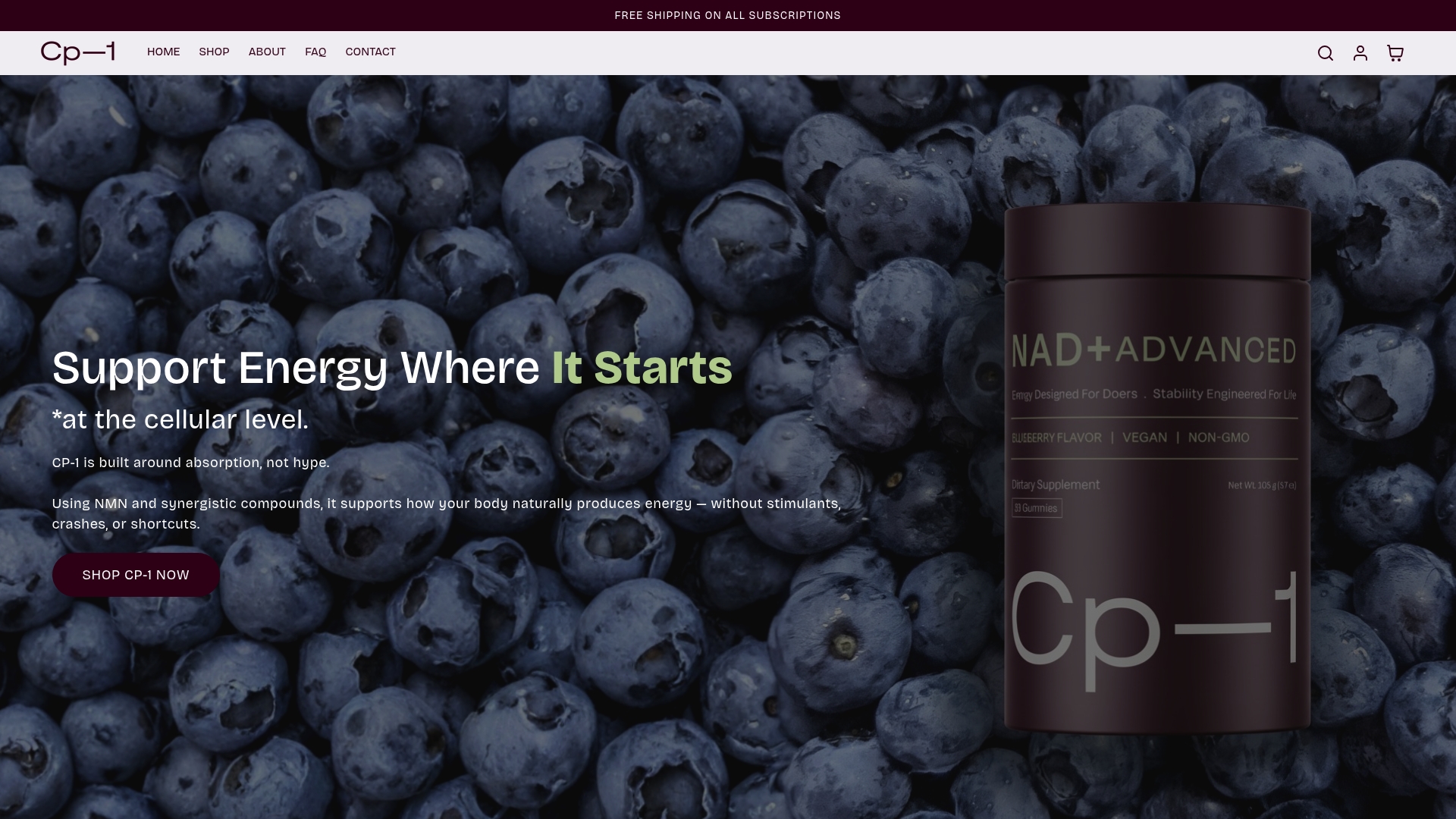
Cp-1 contains NMN (Nicotinamide Mononucleotide), which supports NAD+ production, the molecule your mitochondria depend on for energy. It also includes lion’s mane, reishi, and turkey tail mushroom extracts for cognitive resilience and immune support, plus coenzyme Q10 for mitochondrial function. When you’re deep in a training block and your energy, focus, and immune defenses are all under pressure, that’s where Cp-1 fits. Every batch is third-party tested, vegan, non-GMO, and manufactured in the United States. It’s not a replacement for protein or creatine. It’s what you add when the fundamentals are already covered and you want to support recovery at the cellular level. Explore Cp-1 and see what a formula built for real performance looks like.
Key Takeaways
Protein and creatine monohydrate have the strongest evidence for muscle recovery; omega-3 fatty acids offer meaningful support, while curcumin and ashwagandha show promise but require more research to confirm their full effects.
| Point | Details |
|---|---|
| Protein is the foundation | Aim for 1.4–2.0g per kg body weight daily; prioritize high-leucine sources like whey for post-workout repair. |
| Creatine monohydrate works | 3–5g daily at maintenance is safe, well-researched, and reduces injury risk alongside improving high-intensity recovery. |
| Omega-3s have strong backing | One of only two compounds with substantial research support for post-exercise recovery; 1–3g EPA/DHA daily is the effective range. |
| Supplements are marginal aids | Calories, protein, hydration, and sleep form the primary recovery foundation; supplements add benefit only on top of these. |
| Cp-1 targets cellular energy | Cp-1’s NMN, mushroom extracts, and CoQ10 formula supports mitochondrial function and stress resilience to complement a recovery stack. |