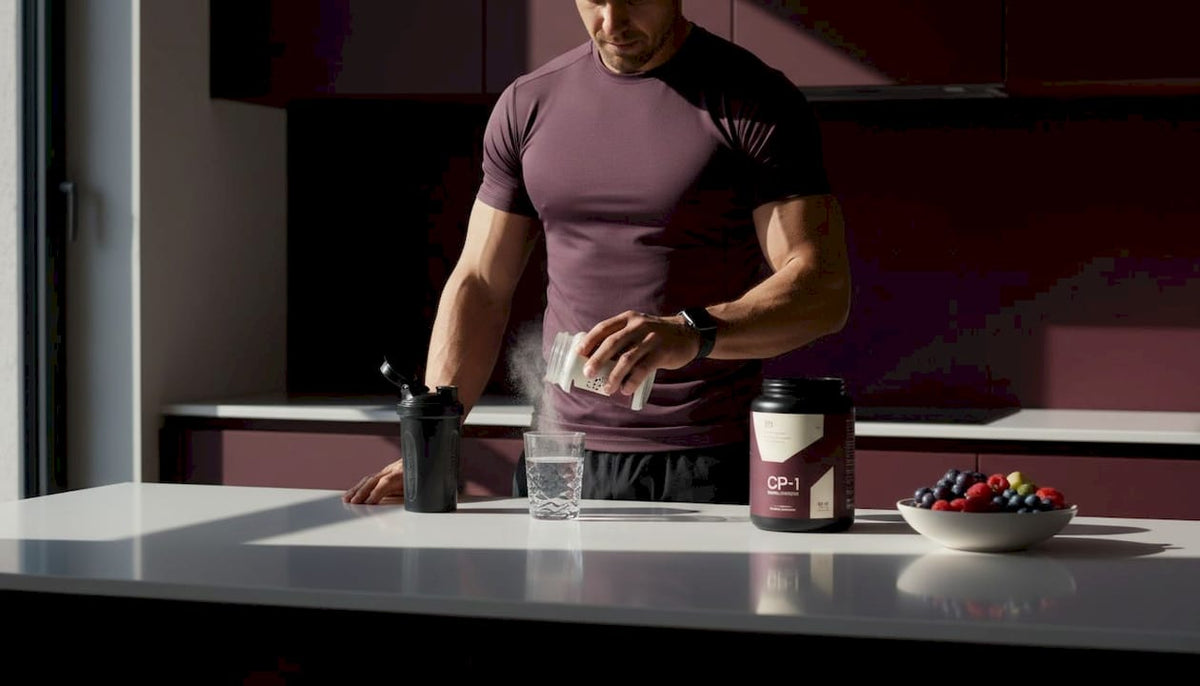
Most athletes and health-conscious individuals spend real money on sports nutrition supplements assuming everything on the shelf does something meaningful. It mostly does not. The research tells a much clearer story: a narrow set of natural, clinically tested compounds genuinely enhance energy, strength, cognitive function, and recovery, while the rest are often expensive placebos. This article cuts through the noise and focuses exclusively on what works, why it works, and how to use it without wasting money or risking your health.
Table of Contents
- Understanding the role of sports nutrition supplements
- Creatine: the most effective supplement for strength and lean mass
- Caffeine: optimizing endurance and natural energy without jitters
- Other natural supplements for muscle recovery and cognitive wellness
- Selecting and using sports nutrition supplements safely and effectively
- Why a targeted, science-based approach trumps hype in sports supplementation
- Explore quality sports supplements to support your goals
- Frequently asked questions
Key Takeaways
| Point | Details |
|---|---|
| Balanced diet foundation | A well-rounded diet covers most vitamin and mineral needs without extra supplements for athletes. |
| Creatine benefits | Creatine supplementation enhances lean body mass and power during resistance training safely at 3-5 g daily. |
| Caffeine effectiveness | Low to moderate caffeine doses improve endurance and power when consumed 30-60 minutes before exercise. |
| Recovery aids | Natural supplements like BCAAs, omega-3s, and magnesium support muscle recovery and reduce inflammation. |
| Safe supplementation | Choose third-party tested products and follow evidence-based dosing for optimal results and safety. |
Understanding the role of sports nutrition supplements
Here is the uncomfortable truth most supplement companies do not want you sitting with: if you eat a diet rich in protein, calories, fruits, and vegetables, athletes need no extra vitamins or minerals beyond what food already provides. Your body does not know the difference between the vitamin C in an orange and the vitamin C in a capsule. It processes both identically.
That said, food alone cannot always replicate the targeted, concentrated effects certain supplements provide. The distinction matters. We are not talking about filling nutritional gaps. We are talking about specific compounds that push performance beyond your dietary ceiling.
A few things food genuinely cannot replicate at effective doses:
- Creatine: Your muscles store only about 120 grams naturally. Supplementing bumps that ceiling meaningfully.
- Caffeine: You would need 4 to 5 cups of coffee for a precise pre-workout dose, which also comes with variable absorption and compounds that affect the effect.
- Carbohydrate timing: Sports drinks during prolonged exercise deliver fast-digesting carbs that whole foods cannot match for speed.
Carbohydrates remain the primary fuel during intense exercise. When workouts push past 60 to 90 minutes, supplementing with fast carbs through drinks or gels can prevent glycogen depletion and sustain output. That is not a trendy claim. That is exercise physiology. For additional support on building clean, natural energy, energy and focus supplements offer a practical breakdown of what moves the needle without stimulant overload.
Creatine: the most effective supplement for strength and lean mass
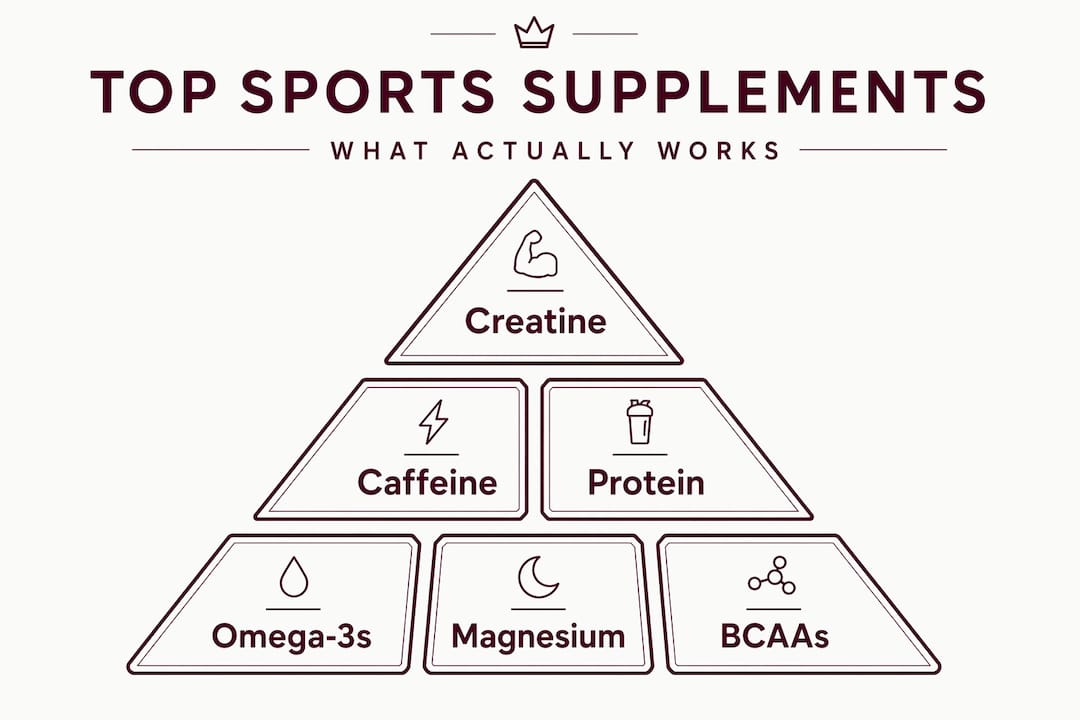
If you could only choose one athletic supplement, creatine would win. It is the most studied sports performance compound in history, and the data is not even close.
Creatine works by replenishing phosphocreatine, the rapid-fire energy molecule your muscles burn during short, explosive bursts of effort. More phosphocreatine means more reps, more power output, and faster recovery between sets. Creatine supplementation adds up to 2 kg of lean body mass compared to resistance training alone, and it does so safely at 3 to 5 grams daily across age groups.
Here is a quick comparison of popular creatine forms:
| Form | Evidence level | Cost per serving | Recommended? |
|---|---|---|---|
| Creatine monohydrate | Very high | $0.30 to $0.50 | Yes, strongly |
| Creatine HCl | Moderate | $0.80 to $1.20 | Acceptable |
| Buffered creatine | Low | $1.00 to $1.50 | Not necessary |
| Creatine ethyl ester | Low | $0.90 to $1.30 | No |
Creatine monohydrate at 5 g per serving remains the gold standard. Fancier forms cost more without delivering better results. Do not fall for the marketing.
Key benefits backed by research:
- Increased strength and power output during resistance training
- Improved hydration at the cellular level
- Modest cognitive benefits, particularly under sleep deprivation or mental fatigue
- Safe use across populations, from teenagers to elderly adults
- No meaningful negative impact on kidney function in healthy individuals
Pro Tip: Skip the loading phase if the bloating bothers you. Taking 3 to 5 grams daily without a loading week gets you to the same saturation point in about 28 days instead of 7. For more detail on starting creatine safely and understanding the creatine loading phase, those resources are worth reading before you start.
Caffeine: optimizing endurance and natural energy without jitters
Caffeine is a drug. A legal, widely consumed, genuinely effective one. It works by blocking adenosine receptors in your brain, which are the receptors responsible for making you feel fatigued. When adenosine cannot bind, your central nervous system stays more alert and your body shifts toward fat oxidation for fuel, which spares muscle glycogen and extends endurance.
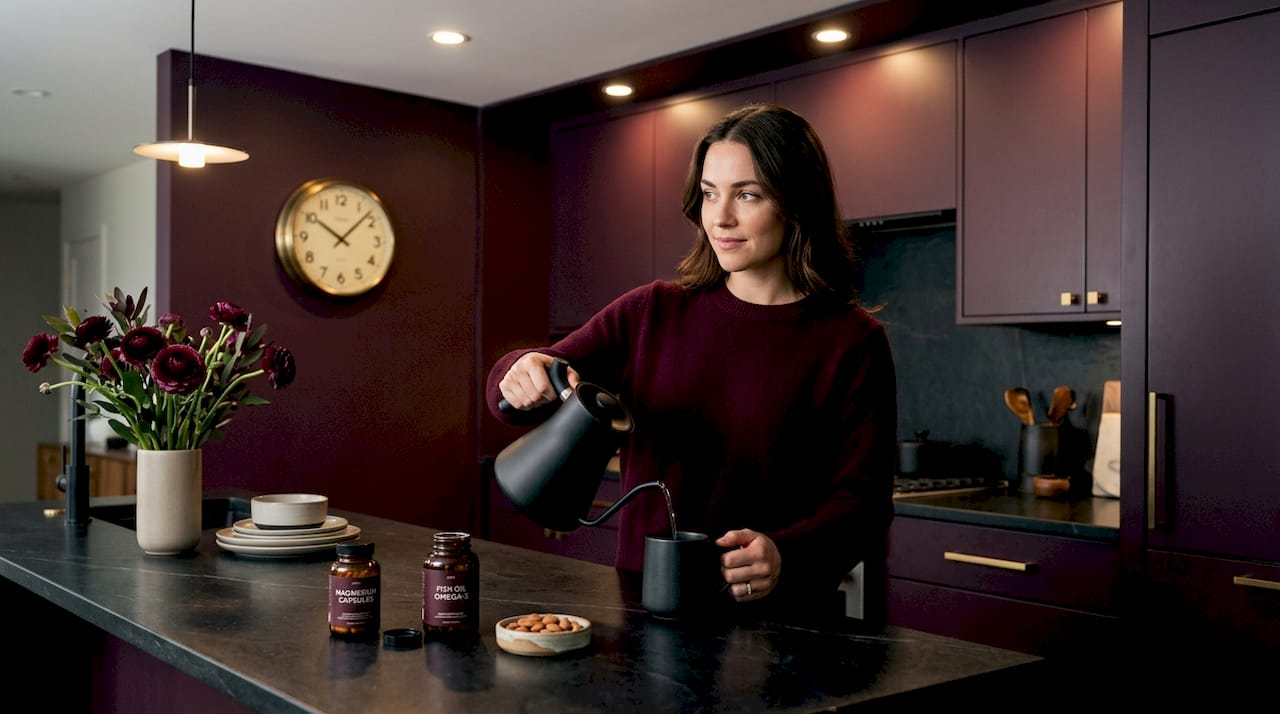
Caffeine at 200 to 400 mg pre-exercise meaningfully improves endurance performance by slowing glycogen depletion and increasing sustainable power output. And here is something worth knowing: low caffeine doses of 3 mg/kg or less produce comparable endurance gains to higher doses with significantly fewer side effects.
What that means practically:
- A 170 lb (77 kg) person hits the 3 mg/kg threshold at roughly 230 mg of caffeine
- That is one strong cup of coffee or a measured pre-workout dose
- Going higher does not linearly increase performance for most people
Smart caffeine use for athletes:
- Take it 45 to 60 minutes before exercise for peak plasma levels
- Avoid late-afternoon doses if sleep quality matters to your recovery
- Do not rely on it daily without cycling off periodically to restore sensitivity
- Watch for genetic variability. Fast caffeine metabolizers feel less and clear it quickly. Slow metabolizers feel more intensity and may experience anxiety even at moderate doses.
Pro Tip: Pair caffeine with L-theanine, an amino acid found naturally in green tea, at a 2:1 L-theanine to caffeine ratio. This combination smooths out the stimulant edge, reduces anxiety, and actually improves focus compared to caffeine alone. It is one of the more underused combinations in sports nutrition. For a full breakdown of caffeine dosing and effects, that article goes deeper on timing and tolerance management.
Other natural supplements for muscle recovery and cognitive wellness
Performance is only half the equation. Recovery is where adaptation actually happens, and several evidence-supported natural compounds genuinely accelerate it.
BCAAs, omega-3s, and magnesium form the practical core of most recovery supplements for athletes with real research behind them. BCAAs (branched-chain amino acids: leucine, isoleucine, and valine) support muscle protein synthesis and reduce delayed onset soreness when taken around training. Omega-3 fatty acids lower systemic inflammation and oxidative stress post-exercise. Magnesium supports over 300 enzymatic processes, including muscle contraction and ATP energy production.
Rhodiola rosea is the adaptogen most athletes have never tried but probably should. It maintains decision-making and neuromuscular control under conditions of prolonged fatigue, making it especially useful for endurance athletes or anyone training through heavy workloads. It is not a stimulant. It does not spike cortisol. It works through stress adaptation pathways.
A practical recovery supplement stack to consider:
- Post-workout BCAAs or whole protein: 20 to 40 g total protein within 2 hours of training
- Omega-3s: 2 to 3 grams of combined EPA and DHA daily, ideally with food
- Magnesium glycinate or L-threonate: 200 to 400 mg before bed for sleep quality and muscle relaxation
- Rhodiola rosea: 200 to 400 mg in the morning on high-stress or high-volume training days
One thing worth emphasizing: magnesium L-threonate specifically crosses the blood-brain barrier more effectively than other forms, meaning it offers cognitive benefits, including improvements in memory and reaction time, that regular magnesium supplements do not. That distinction matters if cognitive function during training is part of your goal. For more on supplements for wellness and cognition, there is a deeper read available.
Selecting and using sports nutrition supplements safely and effectively
Knowing which supplements work is step one. Buying the right version and using it correctly is where most people get tripped up.
The supplement industry is largely self-regulated, which means there is a lot of garbage on shelves. Third-party certification is your filter. Choosing third-party certified supplements ensures the label matches what is actually inside the bottle. Look for NSF Certified for Sport or Informed Choice certifications specifically, as both test for banned substances and label accuracy.
Here is a practical process for getting this right:
- Start with one supplement at a time. If you add three new things simultaneously and something goes wrong, you will never know which one caused the issue.
- Follow evidence-based doses. Creatine does not work better at 10 grams. Caffeine does not help more at 600 mg. Dose discipline matters.
- Introduce gradually. Half doses for the first week give your body time to adjust and tell you whether you tolerate it well.
- Track your response. A simple training log noting energy, soreness, sleep quality, and performance gives you real data rather than guesswork.
- Consult a healthcare provider if you have underlying conditions, take prescription medications, or are pregnant. This is not a disclaimer to skip. Some supplements genuinely interact with medications.
Pro Tip: Do not be swayed by proprietary blends on labels. When a product lists a “performance matrix” with no individual doses, the manufacturer is almost certainly underdosing the expensive ingredients to keep costs down while keeping the name on the label. Transparent labels with exact doses are a sign the company is confident in what they put in the product. For more on quality supplement sourcing and safe supplement use tips, both are worth your time.
Why a targeted, science-based approach trumps hype in sports supplementation
Here is what frustrates me about the sports nutrition industry: 75% of college athletes and nearly all bodybuilders use supplements regularly, yet the vast majority gain nothing beyond what their diet already provides, with the exception of creatine and caffeine. That is a staggering amount of money wasted on products designed for a marketing deck rather than for the person actually swallowing them.
The problem is not supplements themselves. The problem is using them without a framework grounded in evidence.
Creatine has been studied for decades. The data on its safety and efficacy is stronger than almost any pharmaceutical on the market for its intended use. Yet I still hear people say it damages kidneys or that it is not natural. Neither is true for healthy adults. These myths persist because the supplement industry profits equally from sensationalism and fear, and neither serves you.
Your best supplement strategy is a personalized one. Your caffeine metabolism is determined partly by genetics. Your training type determines whether creatine is your highest-leverage move or whether omega-3s and magnesium deserve more attention. Your age affects how aggressively you should prioritize recovery compounds like NMN (Nicotinamide Mononucleotide), which supports NAD+ production and cellular energy. One-size-fits-all stacks are almost always someone else’s answer to someone else’s question.
The goal is fewer supplements used precisely, not more supplements used hopefully. Understanding the importance of quality supplements starts with demanding evidence for every dollar you spend.
Explore quality sports supplements to support your goals
You now know which sports nutrition products are backed by real science, how to dose them, and what to look for when buying. The next step is finding a source you can actually trust.
At CP-1, every supplement we offer is third-party tested, vegan, non-GMO, and manufactured in the US to GMP (Good Manufacturing Practice) standards. We built this because I was tired of opening products that promised cellular energy and cognitive clarity and delivered neither. Whether you are looking for cellular energy support through NMN and CoQ10, immune and cognitive support through lion’s mane and reishi mushroom extracts, or a clean foundation for your training, you can explore our trusted sports supplements and find formulations built for people who actually read ingredient labels.
Frequently asked questions
Do I need to take vitamins and minerals if I eat a balanced diet?
Most athletes consuming sufficient protein, calories and a variety of fruits and vegetables do not need additional vitamins or minerals. Whole food already covers these bases for most active people.
Is creatine safe for everyday use by healthy individuals?
Yes. Research confirms that creatine is safe at 3 to 5 g daily for healthy individuals across all age groups when used at evidence-based doses. Kidney concerns in healthy adults are not supported by current research.
What is the best caffeine dose to improve endurance performance?
Doses of 200 to 400 mg taken roughly 45 to 60 minutes before exercise effectively improve endurance and power output. Lower doses around 3 mg/kg body weight achieve similar results with fewer side effects.
Can natural supplements help with mental focus during workouts?
Combining caffeine with L-theanine improves focus and reduces anxiety more effectively than caffeine alone. This makes it one of the most practical natural stacks for cognitive performance during training.