

Ergogenic Aids: What Actually Works for Athletes
Ergogenic aids are defined as any substance, device, or technique that improves physical performance, delays fatigue, or speeds recovery. The International Olympic Committee endorses caffeine, creatine, dietary nitrates, sodium bicarbonate, and beta-alanine as the nutritional aids with the strongest performance evidence. These five sit at the top of a much larger category that also includes mechanical, physiological, psychological, and pharmacological methods. If you train seriously, understanding which ergogenic aids actually work, which ones carry risk, and how to use them correctly is not optional. It’s the difference between real gains and expensive guesswork.
What are the most effective nutritional ergogenic aids?
Nutritional performance aids are the most studied category, and a handful of them have earned their reputation through decades of controlled research.
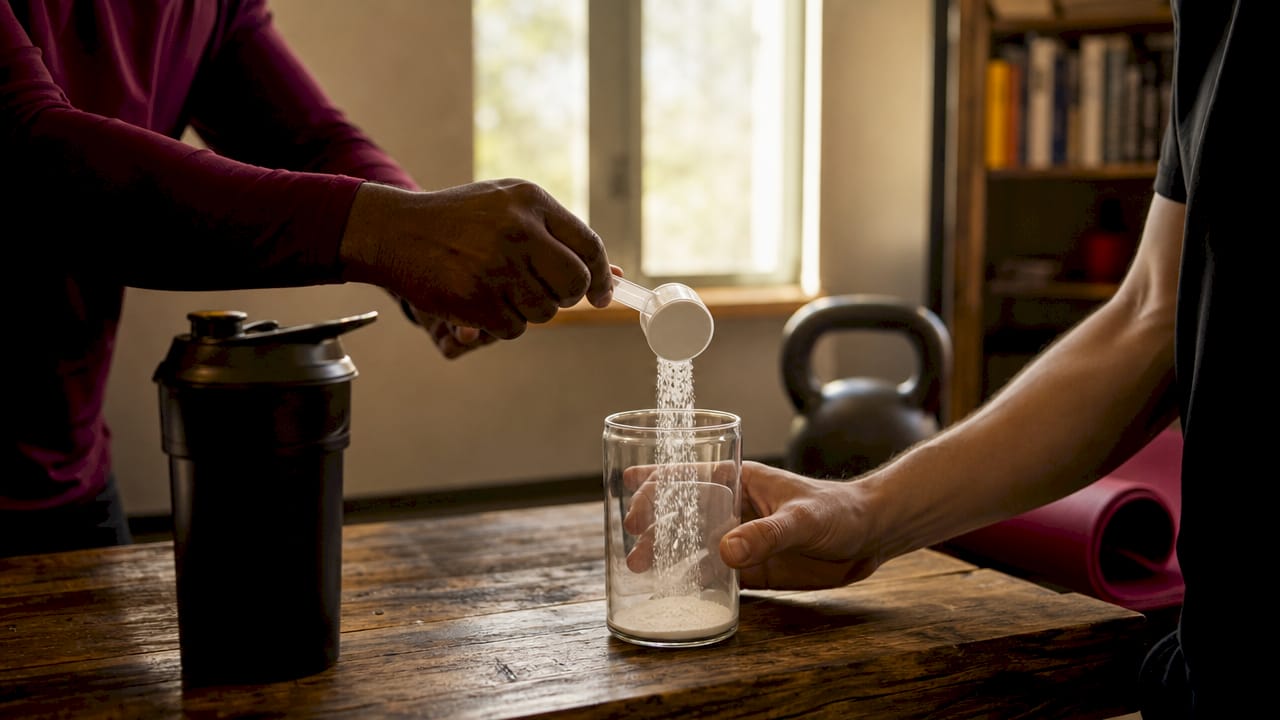
Creatine monohydrate is the most validated ergogenic supplement in sports science. It works by replenishing phosphocreatine stores in muscle, which fuels short, explosive efforts. Meta-analyses report lean mass gains of +2.70 to +3.39 kg and peak power increases of +71.27 W in young men when creatine is combined with resistance training. Those numbers are not marginal. They represent a meaningful edge in strength sports, sprinting, and team sports with repeated sprint demands. If you want to get started safely, the creatine loading protocol at Cp-1 walks through the phases, dosing, and what to expect.
Caffeine is the most widely used performance-enhancing supplement on the planet, and the research backs the habit. Doses of 3–6 mg/kg body mass taken 45–60 minutes before exercise consistently improve sprint output, endurance, power, and technical skill across multiple sports. Caffeine works partly through central nervous system modulation, reducing perceived effort so you can push harder before fatigue sets in. That CNS effect is why fatigue tolerance improvements are considered one of the key mechanisms behind both caffeine and dietary nitrates. For athletes who want to use caffeine without the crash, Cp-1’s guide on smart caffeine dosing covers timing and form.
Beta-alanine targets a different problem: acid buildup in muscle during high-intensity efforts. It raises muscle carnosine levels, which buffer hydrogen ions and delay the burn. Beta-alanine shows consistent benefits for events lasting 1–4 minutes, making it most relevant for swimmers, rowers, cyclists in short stages, and combat athletes. The tingling sensation it causes (called paresthesia) is harmless but worth knowing about before your first dose.
Dietary nitrates, found in beetroot juice and leafy greens, improve blood flow and oxygen delivery to working muscle. Montmorency tart cherry supplementation improves half-marathon race times by 13%, likely through anti-inflammatory and immune support mechanisms. That result points to nitrate-rich and polyphenol-rich foods as legitimate nutritional performance aids, not just marketing claims. Research on herbal products for inflammation supports the broader case for natural extracts in athlete recovery.
Sodium bicarbonate acts as a blood buffer, reducing acid accumulation during high-intensity exercise. It is most effective for efforts lasting 1–7 minutes and is used by swimmers, track athletes, and combat sports competitors. Protein supplementation rounds out the core nutritional category by supporting muscle protein synthesis, hypertrophy, and recovery between sessions.
- Creatine monohydrate: best for strength, power, and repeated sprints
- Caffeine: best for endurance, power, and technical performance
- Beta-alanine: best for 1–4 minute high-intensity efforts
- Dietary nitrates: best for aerobic endurance and recovery
- Sodium bicarbonate: best for short, intense, acid-limited efforts
- Protein: best for muscle repair and hypertrophy support
Pro Tip: Never trial a new supplement for the first time on race day or during a competition. Test every aid during training under conditions that mimic your event.
How do physiological and mechanical aids enhance performance?
Non-nutritional ergogenic aids are underused by most athletes, yet several carry strong evidence for both performance and recovery.
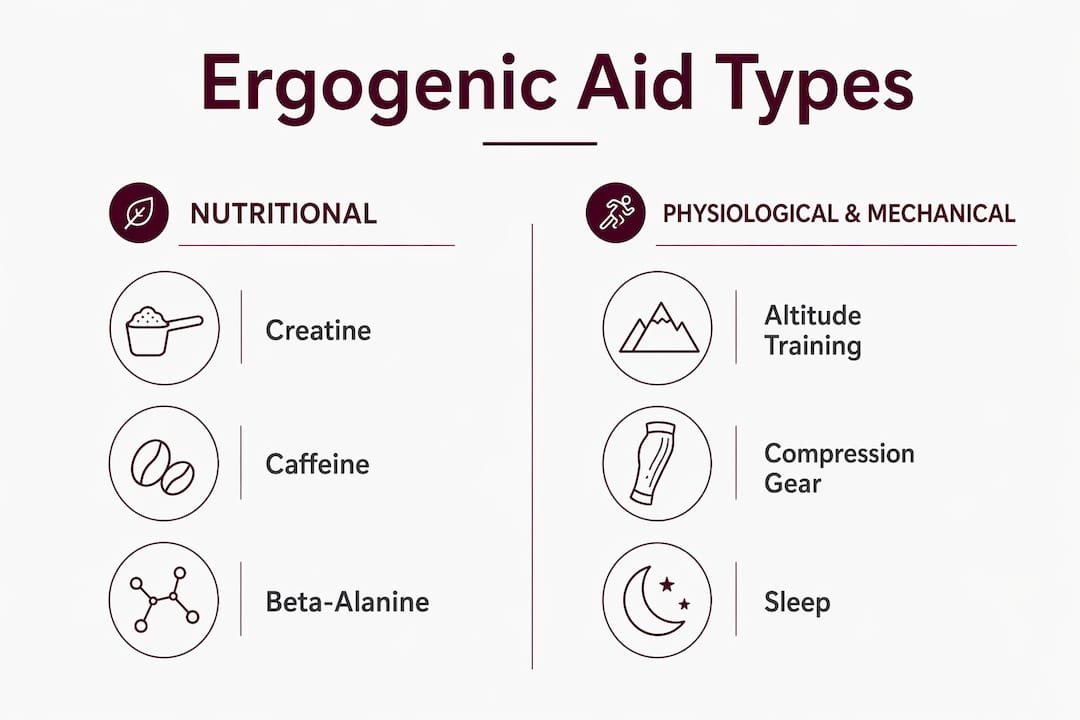
Altitude training is the most established physiological aid in endurance sports. Spending time at elevation, typically above 2,000 meters, stimulates red blood cell production and increases oxygen-carrying capacity. The result is improved aerobic output when athletes return to sea level. Blood flow restriction training achieves a related goal through a different route: restricting venous return during low-load exercise creates a hypoxic environment in the muscle, driving hypertrophy with less mechanical stress on joints.
Compression garments reduce muscle soreness and swelling after hard sessions. Sports recovery hyperbaric therapy represents a newer physiological aid with growing clinical support for accelerating tissue repair and reducing inflammation after intense training blocks. Mechanical aids like weightlifting belts, orthotics, and sport-specific footwear reduce injury risk and allow athletes to train harder over longer periods.
Sleep is the most powerful recovery aid available, and it costs nothing. Research consistently links sleep deprivation to reduced reaction time, lower power output, impaired decision-making, and slower tissue repair. Prioritizing 8–9 hours per night is not a soft recommendation. It is a performance variable with measurable effects.
Pro Tip: Integrate physiological aids like compression and altitude exposure alongside your nutrition plan, not as replacements for it. Each layer adds a small edge. Combined, they compound.
What are the safety risks with ergogenic aids?
The supplement industry has a quality problem, and athletes pay the price when they ignore it. Contamination and inadvertent doping violations are documented risks in supplement use, meaning a product that looks clean on the label may contain a banned substance that triggers a positive test. This is not rare. It is a known, recurring issue across multiple sports.
The core safety principles every athlete should follow:
- Buy only from brands that provide third-party testing certificates
- Verify supplement legality with your sport’s governing body before competition
- Avoid products with proprietary blends that hide individual ingredient doses
- Start with the lowest effective dose and monitor your response
- Consult a registered sports dietitian before adding any new aid to your protocol
Supplement responses vary widely due to genetics, gut microbiome composition, and habitual diet. What works well for your training partner may do nothing for you, or cause side effects. That variability is not a flaw in the research. It is a biological reality that demands a personalized approach. Cp-1’s breakdown of supplement quality standards explains what to look for in a trustworthy product.
Performance-enhancing supplements should be a minor part of a complete nutrition plan, not the foundation of it. Many marketed products lack sufficient evidence of efficacy or safety in elite athletes. The supplement aisle is full of products designed for a marketing deck, not for the person swallowing them. Knowing the difference protects both your health and your competitive standing.
Pro Tip: Check the Informed Sport or NSF Certified for Sport databases before purchasing any supplement. These programs test for banned substances and give you a paper trail if a question ever arises.
How should athletes incorporate ergogenic aids into training?
Using performance aids effectively is as much about timing and protocol as it is about choosing the right product. A disorganized approach wastes money and produces inconsistent results.
-
Audit your nutrition first. No supplement fixes a poor diet. Confirm you are hitting your calorie, protein, and carbohydrate targets before adding any aid. Gaps in foundational nutrition blunt the effect of every ergogenic tool you layer on top.
-
Introduce one aid at a time. Adding creatine, caffeine, and beta-alanine simultaneously makes it impossible to know which one is working or causing side effects. Introduce each over a 3–4 week block, then assess.
-
Time your aids to your sessions. Caffeine works best 45–60 minutes pre-exercise. Creatine timing is flexible but post-workout with carbohydrates shows consistent uptake. Sodium bicarbonate requires 60–90 minutes to peak in the blood. Timing matters as much as dose.
-
Record your results. Keep a training log that tracks performance metrics alongside supplement use. Power output, heart rate at a given pace, and perceived exertion are all measurable. If an aid is working, you will see it in the numbers.
-
Verify legality before competition. Athletes must verify supplement legality with their sport’s governing body because doping rules vary across organizations and contamination risks are real. Do this check every season, not just once.
-
Adjust based on response. Individual biological variability means your optimal dose may differ from the research average. If the standard dose of beta-alanine causes intolerable tingling, split it into smaller doses throughout the day. If caffeine disrupts your sleep, shift the timing earlier or reduce the dose.
-
Cycle where appropriate. Caffeine tolerance builds quickly. Cycling off for 1–2 weeks every couple of months restores sensitivity and keeps the performance effect sharp.
Key Takeaways
The most effective ergogenic aids are creatine, caffeine, beta-alanine, dietary nitrates, and sodium bicarbonate, each with distinct mechanisms, optimal timing, and sport-specific applications.
| Point | Details |
|---|---|
| Top nutritional aids | Creatine, caffeine, beta-alanine, dietary nitrates, and sodium bicarbonate have the strongest evidence. |
| Creatine leads in power sports | Meta-analyses show peak power gains of +71.27 W and lean mass gains up to +3.39 kg with resistance training. |
| Safety requires third-party testing | Contamination risks are real; only use supplements verified by Informed Sport or NSF Certified for Sport. |
| Individual response varies | Genetics and gut microbiome affect efficacy, so trial aids in training and adjust dose based on your results. |
| Foundations come first | Supplements amplify a solid nutrition and training base. They do not replace it. |
My honest take on ergogenic aids in 2026
I have watched athletes spend hundreds of dollars a month on supplements while sleeping six hours a night and eating inconsistently. The supplements do almost nothing in that context. The honest truth is that creatine, caffeine, and dietary nitrates are genuinely useful tools. But they are tools, not shortcuts.
What frustrates me about the supplement industry is the noise. There are products with 30 ingredients on the label, none of them dosed high enough to do anything. There are proprietary blends that hide what you are actually swallowing. And there are athletes who trust a flashy label over a third-party test certificate.
The research on ergogenic aids is actually quite clear when you read it without the marketing filter. A handful of substances work. The mechanisms are understood. The dosing is established. The problem is that most athletes never get that information in plain language, so they default to whatever is trending.
My advice: start with creatine and nail your caffeine timing. Add beta-alanine if your sport demands repeated high-intensity efforts. Get your sleep right. Then, and only then, consider adding anything else. The compounding effect of doing the basics well outperforms any stack of unproven supplements.
— Hugo
What Cp-1 offers athletes who want real answers
Cp-1 was built on a simple premise: athletes deserve supplements that are transparent, tested, and actually formulated to work.
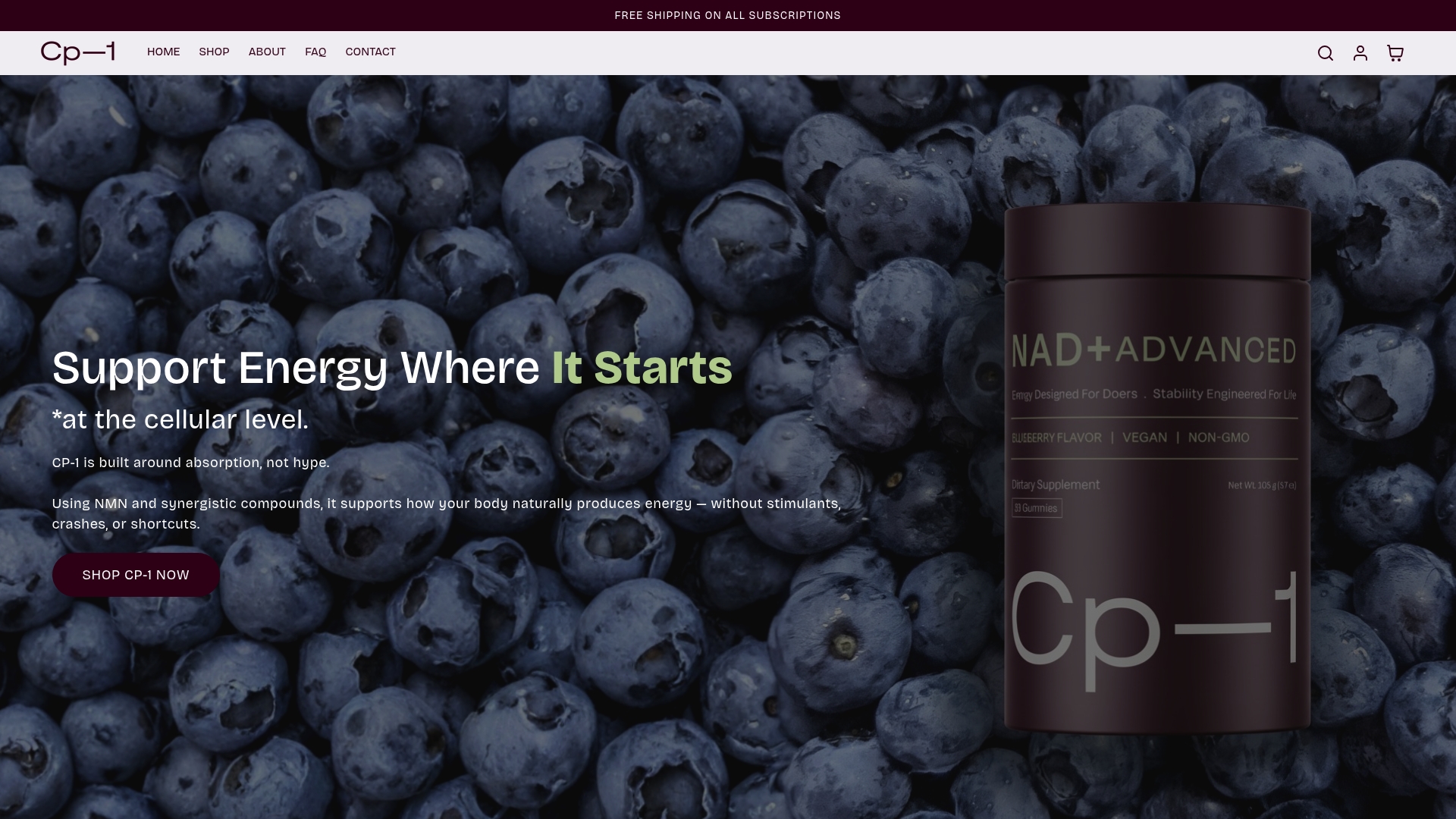
Cp-1 products are manufactured in the US, third-party tested, vegan, and non-GMO. The ingredient list is not hidden behind a proprietary blend. Every dose is disclosed. If you want to understand what you are putting in your body and why, the Cp-1 supplement resource hub covers everything from creatine protocols to cognitive support. For athletes who care about what actually works, Cp-1 is a resource worth bookmarking. Check out the guide on what actually works in sports nutrition to cut through the noise and build a supplement plan grounded in evidence.
FAQ
What are ergogenic aids?
Ergogenic aids are substances, devices, or techniques that improve athletic performance, increase energy availability, or speed recovery. They include nutritional supplements like creatine and caffeine, physiological methods like altitude training, and mechanical tools like compression garments.
Which ergogenic aids have the strongest evidence?
The International Olympic Committee identifies caffeine, creatine, dietary nitrates, beta-alanine, and sodium bicarbonate as the nutritional aids with the strongest performance evidence across multiple sports and athlete populations.
Are ergogenic aids safe for all athletes?
Most well-researched aids are safe when used at established doses, but contamination risks in supplements are real. Athletes should use only third-party tested products and verify legality with their sport’s governing body before competition.
How does creatine work as an ergogenic aid?
Creatine replenishes phosphocreatine in muscle, fueling short explosive efforts. Combined with resistance training, it produces measurable gains in lean mass and peak power output, with benefits that also extend to cognitive health.
When should athletes take caffeine for best results?
Caffeine performs best at doses of 3–6 mg/kg body mass taken 45–60 minutes before exercise. That window allows blood levels to peak during the effort, improving endurance, sprint output, and perceived exertion across most sport types.