How Many Calories Are Burned Standing vs. Sitting
How many calories does standing burn compared to sitting?
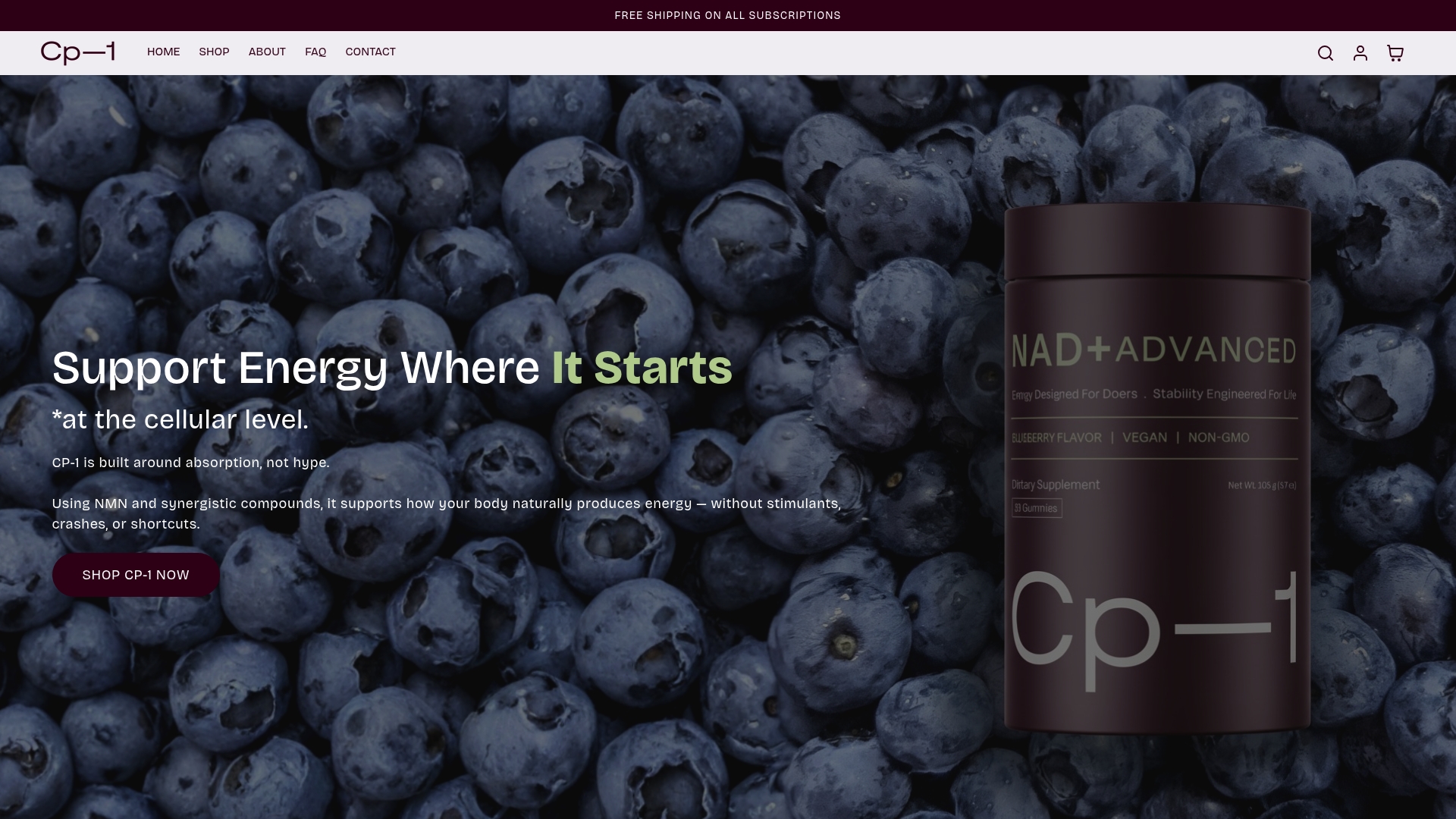
Standing burns roughly 10% more calories than sitting. For a 143-pound person, that translates to about 54 extra calories over six hours of standing instead of sitting. Not a dramatic number, but over a full year with no change in diet, that difference can add up to roughly 5.5 pounds of body fat.
The calorie gap comes down to muscle activation, not posture alone. When you stand, your postural muscles fire continuously to keep you upright against gravity. That sustained engagement raises your metabolism slightly and generates more heat. Your body weight, sex, age, and muscle mass all influence exactly how much extra energy you expend.
Here is a quick picture of what standing actually does for you beyond the calorie count:
- Engages postural muscles that stay dormant while seated
- Breaks up long periods of sedentary behavior throughout the day
- Reduces risk factors linked to metabolic syndrome and type 2 diabetes
- Adds up to meaningful fat loss over months when diet stays consistent
The honest takeaway: standing is not a weight-loss strategy on its own. It is a low-effort way to keep your body slightly more active and your metabolism from stalling during long desk sessions.
Table of Contents
- How basal metabolic rate shapes your calorie burn while standing
- Why reducing sedentary time matters more than the calorie math
- How cellular energy supplements connect to your metabolism
- What standing actually adds up to for your health
- How to measure or estimate your calorie burn while standing
- How standing compares to other low-intensity activities
- Limitations and variations in calorie burn from standing
- How duration and posture affect total calories burned upright
- Key Takeaways
How basal metabolic rate shapes your calorie burn while standing
Your basal metabolic rate (BMR) is the energy your body burns at rest just to keep you alive: breathing, circulating blood, maintaining temperature, and fueling cell repair. It is the floor of your daily calorie expenditure, and it is not fixed.
Standing nudges your BMR upward by activating postural muscles that sitting leaves idle. Dr. Singh, a dual board-certified sports medicine physician at Columbia University Medical Center, explains it clearly: when you stand, more muscles tense to combat gravity and bear body weight, which leads to increased metabolism and heat production. That is the real driver of extra calorie expenditure, not simply being vertical.

Sex plays a measurable role here. A systematic review of 46 studies found that men burn about 0.19 kcal/min more while standing versus sitting, compared to 0.1 kcal/min more for women. The likely reason is muscle mass: men typically carry more of it, and muscle is metabolically active tissue that raises resting energy use.
Pro Tip: Preserving muscle mass through resistance training and adequate protein directly raises your BMR, which means every hour you spend standing burns slightly more than it would if you were losing muscle with age.
Why reducing sedentary time matters more than the calorie math
The calorie difference between sitting and standing is real but modest. The bigger story is what prolonged sitting does to your body’s metabolic machinery over time.
Sedentary behavior raises risk for metabolic syndrome, type 2 diabetes, and cardiovascular disease. Standing breaks up that inactivity and keeps postural muscles engaged throughout the day, which matters for insulin sensitivity and blood sugar regulation beyond any calorie count. A study published in Human Factors confirmed that the energy difference between sitting and standing during office tasks is negligible when the task itself is passive, meaning task intensity drives calorie burn more than posture does.
Practical ways to reduce sedentary time without overhauling your day:
- Stand during phone calls and video meetings
- Use a sit-stand desk and alternate every 30–45 minutes
- Walk during lunch instead of eating at your desk
- Set a reminder to stand for at least two minutes every hour
- Review standing breaks and posture guidelines to avoid trading one problem for another
Small, consistent interruptions to sitting accumulate into real metabolic benefits over weeks and months.
How cellular energy supplements connect to your metabolism
Standing and movement are inputs to your metabolism. But metabolism itself runs on cellular machinery, specifically your mitochondria, the structures inside every cell that convert nutrients into usable energy (ATP). When that machinery runs well, your body handles energy more efficiently, whether you are standing at a desk or pushing through an afternoon slump.
Here is where targeted supplementation becomes relevant:
-
NMN (Nicotinamide Mononucleotide): NMN is a direct precursor to NAD+, a molecule your mitochondria require to produce ATP. NAD+ levels decline with age, which partly explains why energy and metabolic rate tend to drop over time. Restoring NAD+ through NMN supports the same energy pathways that standing activates at a cellular level.
-
Coenzyme Q10 (CoQ10): CoQ10 sits inside the mitochondrial membrane and acts as a carrier in the electron transport chain, the process that generates most of your ATP. Without adequate CoQ10, mitochondrial output drops. Supplementing it supports sustained energy production, particularly relevant for people who want their metabolism working at full capacity.
-
Lion’s mane mushroom extract: Lion’s mane supports nerve growth factor (NGF) production, which ties cognitive function to cellular energy. Mental clarity and physical energy share the same mitochondrial foundation.
-
Reishi and turkey tail mushroom extracts: Both support immune resilience and reduce oxidative stress, which can otherwise tax mitochondrial function and blunt energy output.
Cp-1 combines NMN, CoQ10, lion’s mane, reishi, and turkey tail in a single formula built around mitochondrial energy support. The role of NMN in energy and aging is well-documented, and Cp-1’s approach is to put clinically relevant ingredients together rather than sprinkle them in at doses too small to matter.
Pro Tip: Standing and movement create the demand for cellular energy. Supplements like those in Cp-1 support the supply side of that equation at the mitochondrial level.
What standing actually adds up to for your health
The calorie math is straightforward. Standing burns about 10% more than sitting, roughly 54 extra calories over six hours for an average-weight person. Over a year, that is potentially 5.5 pounds of fat if diet stays consistent, though Harvard Health notes that a single fun-size candy bar wipes out that entire daily surplus.
The real value of standing is not the calories. It is the metabolic and cardiovascular protection that comes from breaking up sedentary time, keeping postural muscles active, and reducing the chronic low-grade metabolic stress that prolonged sitting creates. Pair that with cellular energy support and you are working on both the demand and supply sides of your body’s energy system.
Key habits worth building:
- Stand for at least two hours of your workday, spread throughout the day
- Combine standing with light movement whenever possible for greater calorie burn
- Prioritize muscle preservation through resistance training to keep BMR elevated
- Support mitochondrial function with evidence-based supplements, not marketing hype
How to measure or estimate your calorie burn while standing
The most practical tool for most people is the MET (metabolic equivalent of task) formula. Standing has a MET value of approximately 1.8, compared to about 1.3 for desk work and 1.0 for quiet sitting. The standard calculation is: calories = MET × body weight in kg × hours of activity. For a 70 kg person standing for one hour, that works out to roughly 126 calories in total energy expenditure, but the additional calories burned by standing instead of sitting is much more modest—about 0.15 extra calories per minute, or 54 calories over six hours, for a 143-pound (65 kg) person.
Wearable devices like Apple Watch and Fitbit use accelerometer data combined with heart rate to estimate calorie burn in real time, which is more personalized than a formula. They are not perfectly accurate, but they are consistent enough to track trends. Online calculators using the MET formula give reliable ballpark figures when you input your weight and duration.
How standing compares to other low-intensity activities
Standing is not the most efficient way to burn calories at low intensity. Walking, even casually, burns considerably more. A brisk walk reaches roughly 3–4.8 METs, compared to standing’s 1.8 MET. Cooking clocks in at around 3.3 METs. Even light cleaning surpasses standing by a wide margin.
That said, standing beats sitting (1.3 MET) and lying down (1.0 MET) without requiring any dedicated time or effort. It fits into your existing workday in a way that a walk or workout does not. Think of it as the floor of active behavior, not a replacement for movement.
Limitations and variations in calorie burn from standing
Not everyone gets the same benefit from standing. Muscle mass is the biggest variable: people with more lean mass burn more calories in every posture, including standing. Age reduces muscle mass over time, which gradually narrows the gap between sitting and standing calorie burn.
Posture and fidgeting also matter. Someone who shifts weight, stretches, and moves while standing burns more than someone standing rigidly still. Research confirms that task intensity influences calorie burn more than posture does, so standing quietly during a passive task produces minimal extra expenditure.
How duration and posture affect total calories burned upright
Longer standing time accumulates more calories, but posture quality shapes how much muscle engagement you actually get. Slouching while standing reduces postural muscle activation and can cause fatigue without the metabolic payoff of proper upright stance.
Good standing posture means weight distributed evenly, core lightly engaged, and shoulders relaxed. Anti-fatigue mats and workplace posture habits reduce the physical strain of extended standing, which matters if you want to sustain it across a full workday. Alternating between sitting and standing every 30–45 minutes tends to produce better outcomes than standing for hours straight.
Key Takeaways
Standing burns roughly 10% more calories than sitting, but the bigger benefit is metabolic protection from reducing sedentary time.
| Point | Details |
|---|---|
| Calorie difference is modest | A 143-pound person burns about 54 extra calories over six hours of standing versus sitting. |
| Muscle mass drives the gap | Men burn more extra calories compared to women, likely due to greater muscle mass. |
| Sedentary risk is the real issue | Prolonged sitting raises risk for metabolic syndrome and type 2 diabetes beyond any calorie count. |
| MET formula estimates burn | Standing has a MET of 1.8; use weight in kg × 1.8 × hours to estimate calories burned upright. |
| Cellular support amplifies results | NMN and CoQ10 support the mitochondrial energy pathways that standing and movement demand. |
Ready to support your metabolism at the cellular level? Cp-1 supplements combine NMN, CoQ10, and functional mushroom extracts in doses that are actually designed to work, not just look good on a label.