

How to Fast Correctly: A Beginner's Guide
Fasting correctly is defined as applying structured, evidence-based meal timing protocols that align with your metabolic goals while avoiding the common pitfalls that derail most beginners. The clinical term is intermittent fasting, and it focuses on when you eat rather than what you eat, which separates it from traditional calorie-restriction diets. The most studied protocols are 16:8, 14:10, and 12:12, each offering measurable benefits in fat oxidation, cognitive performance, and metabolic health. Knowing how to fast correctly from day one means fewer headaches, less fatigue, and far better results over time. Gradual adaptation and smart hydration are the two factors that determine whether you succeed or quit by week two.
What are the safest and most effective fasting protocols?
The 16:8 protocol is considered the most sustainable long-term approach for most adults by clinical guidelines. It means fasting for 16 hours and eating within an 8-hour window, typically noon to 8 p.m. That timing supports fat oxidation during the fasting hours and fits most social schedules without major disruption.
Beginners should not start at 16:8. Starting with a 12-hour fast avoids the negative side effects like headaches and fatigue that cause most people to abandon fasting in the first week. Think of it as training your metabolism the same way you train a muscle: you load it progressively, not all at once.

The table below compares the three main fasting windows so you can pick your entry point and plan your progression.
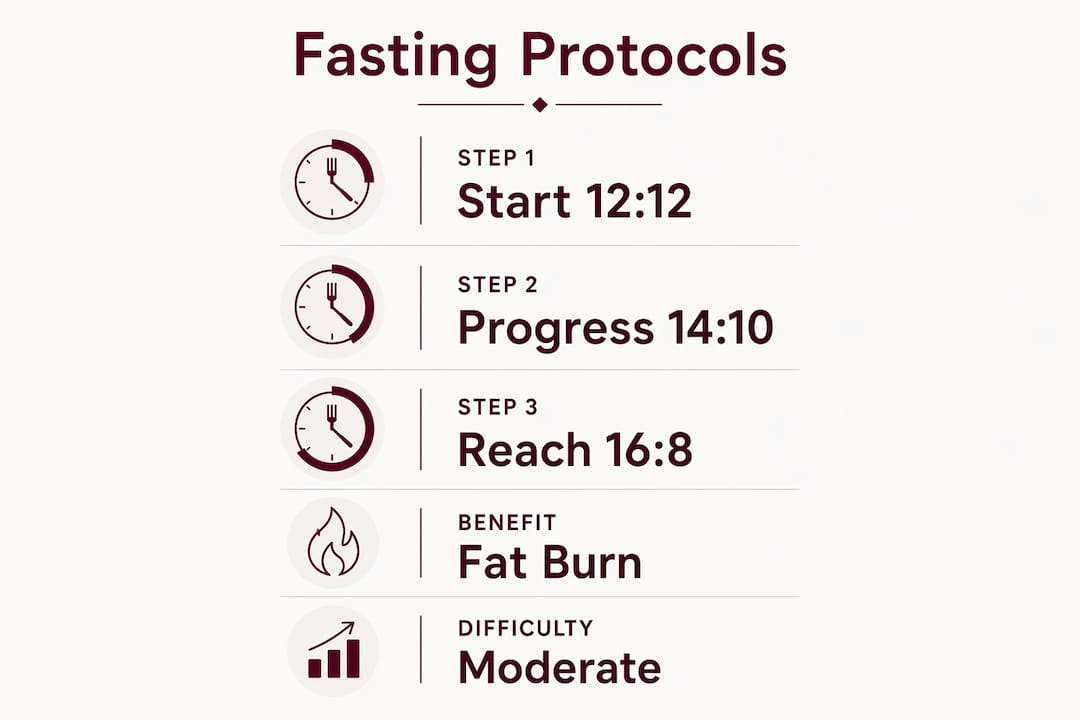
| Fasting Window | Daily Fast Duration | Difficulty | Primary Benefit |
|---|---|---|---|
| 12:12 | 12 hours | Beginner | Metabolic reset, improved sleep |
| 14:10 | 14 hours | Moderate | Fat oxidation begins, better energy |
| 16:8 | 16 hours | Intermediate | Peak fat burn, cognitive clarity |
The 16:8 window hits what researchers call the metabolic sweet spot. Fat oxidation accelerates after roughly 12–14 hours of fasting, and the 16-hour mark sustains that process long enough to produce measurable results. The 8-hour eating window also preserves enough flexibility to eat dinner with family or colleagues, which matters for long-term adherence.
How to fast correctly: essential daily rules
The rules for correct fasting are not complicated, but most people ignore at least two of them and then wonder why they feel terrible. Follow these consistently and the adaptation phase becomes much shorter.
Permitted beverages during your fasting window:
- Water, still or sparkling, with no added flavoring
- Black coffee, no sugar, no cream, no milk
- Unsweetened herbal or green tea
- Plain electrolyte water with no calories or sweeteners
Artificial sweeteners disrupt fasting by triggering metabolic and insulin responses even without calories. That means diet soda, flavored sparkling water with sweeteners, and “zero calorie” sports drinks all break your fast in a meaningful way.
Hydration is not optional. Aim for roughly 2 liters of water daily during fasting periods. Your body releases stored water when it burns glycogen, so dehydration hits faster than you expect. Electrolytes are the piece most people skip entirely, and skipping them is why fasting gets a bad reputation for causing dizziness and brain fog.
Sodium, magnesium, and potassium are the three electrolytes that matter most during fasting. A small pinch of sea salt in your morning water, a magnesium glycinate supplement, and potassium-rich foods at your first meal cover the basics without any expensive products.
Pro Tip: Add a quarter teaspoon of sea salt to 16 ounces of water first thing in the morning during your fasting window. This single habit eliminates most early-stage headaches and keeps your energy stable until your eating window opens.
Meal timing matters beyond just the fasting window itself. Ending your fast at least 3 hours before sleep supports better sleep quality and allows your body to shift into fat-burning mode overnight. If you eat at 8 p.m. and sleep at 11 p.m., that window works. Eating at 10 p.m. and sleeping at midnight does not.
Allowing occasional adjustments for social events or travel is not cheating. It is the reason people actually stick with fasting for years instead of weeks. Build flexibility into your plan from the start.
How to build a gradual fasting plan step by step
A 3-week transition plan starting at 12:12, moving to 14:10, then reaching 16:8 allows metabolic adaptation and dramatically reduces failure risk. This is not a slow approach. It is the fastest path to sustainable results because you are not fighting your body every single day.
Week-by-week progression:
- Week 1: 12:12. Fast from 8 p.m. to 8 a.m. This is essentially skipping late-night snacking and eating breakfast at a normal time. Your body barely notices the change, which is the point.
- Week 2: 14:10. Push breakfast back by two hours. Fast from 8 p.m. to 10 a.m. You will start noticing mild hunger in the morning, but it passes within 20–30 minutes. This is your metabolism adapting, not a sign that something is wrong.
- Week 3: 16:8. Move your eating window to noon through 8 p.m. Fat oxidation now runs for a meaningful stretch each morning. Most people report clearer thinking and more stable energy by the end of this week.
Here is a sample daily schedule for the 16:8 phase to make the timing concrete.
| Time | Activity |
|---|---|
| 7:00 a.m. | Wake up, drink 16 oz water with sea salt |
| 8:00 a.m. | Black coffee or unsweetened green tea |
| 10:00 a.m. | Second glass of water, light movement or workout |
| 12:00 p.m. | Break fast with high-protein meal |
| 3:00 p.m. | Snack within eating window |
| 7:30 p.m. | Final meal of the day |
| 8:00 p.m. | Fasting window begins |
Gradual fasting progression helps beginners avoid the detox-like symptoms that many mistake for hunger. Those symptoms are usually dehydration and electrolyte depletion, not actual starvation. Knowing that distinction keeps you from quitting prematurely.
Pro Tip: Track how you feel each morning during the first three weeks using a simple 1–10 energy rating in your phone’s notes app. Patterns emerge fast. Most people see a clear improvement by day 10, and that data becomes your motivation to keep going.
Focus on nutrient-dense, high-protein meals during your eating window. Eggs, chicken, salmon, Greek yogurt, and legumes give your body the building blocks it needs to maintain muscle while burning fat. Skimping on protein during fasting protocols is one of the most common and costly mistakes beginners make.
What common fasting mistakes should you avoid?
Most fasting failures come from the same short list of errors. Recognizing them before you start puts you ahead of the majority of people who try and quit.
- Starting too aggressively. Jumping straight to 16:8 or longer fasts causes headaches, nausea, and fatigue that feel like punishment. Long fasts can trigger a starvation response that actually increases fat storage. Start at 12:12 and earn the longer windows.
- Ignoring electrolytes. Water alone does not replace what your body loses during fasting. Skipping electrolyte supplementation causes dizziness, brain fog, and low energy that have nothing to do with fasting itself.
- Adopting an all-or-nothing mindset. Rigid fasting routines lead to failure. Missing one day or shortening a window by two hours is not failure. It is normal human life. Treat it that way.
- Eating low-quality food in your eating window. Fasting does not cancel out a diet built on processed carbs and sugar. The quality of your meals determines whether you get real metabolic benefits or just feel hungry on a schedule.
- Fasting without medical clearance when needed. Individuals with diabetes or cardiovascular conditions face real risks from electrolyte imbalances during fasting. Talk to your doctor before starting any protocol if you have an existing condition.
“Consistency and sustainability matter more than exact fasting duration. Flexibility improves long-term adherence far more than perfect execution of any single protocol.”
Pro Tip: When you hit a plateau or lose motivation, shorten your fasting window by two hours for one week instead of quitting entirely. This resets your psychology without losing your metabolic progress. Most people return to their full window within days.
How to break your fast for maximum energy and metabolic benefit
Breaking your fast correctly matters as much as the fast itself. A high-protein, nutrient-dense first meal prevents glucose spikes and the energy crashes that follow them. Your body is primed to absorb nutrients after a fasting period, so what you put in first sets the metabolic tone for the rest of the day.
Best foods to break your fast:
- Eggs, scrambled or poached, with leafy greens
- Grilled chicken or canned salmon with avocado
- Greek yogurt with nuts and berries
- A protein shake with no added sugar, blended with spinach and almond butter
Foods to avoid when breaking your fast:
- White bread, bagels, or pastries
- Fruit juice or smoothies high in sugar
- Cereal, granola, or sweetened oatmeal
- Processed deli meats with additives
The logic is straightforward. High-carb or sugary foods after a fast cause a rapid insulin spike followed by a crash. That crash wipes out the mental clarity and sustained energy that fasting is supposed to produce. Protein and healthy fats slow glucose absorption and keep you sharp for hours. For daily energy and focus optimization, your break-fast meal is one of the highest-leverage decisions you make each day.
Pro Tip: Prepare your break-fast meal the night before. Decision fatigue is real, and when your eating window opens after 16 hours, you will grab whatever is fastest. Make the right choice the easy choice.
Key takeaways
Fasting correctly requires gradual protocol progression, consistent hydration with electrolytes, and high-protein meals to break your fast for real, sustained metabolic and cognitive benefits.
| Point | Details |
|---|---|
| Start at 12:12, not 16:8 | Gradual progression prevents side effects and builds lasting metabolic adaptation. |
| Electrolytes are non-negotiable | Sodium, magnesium, and potassium prevent the headaches and fatigue that kill fasting habits early. |
| 16:8 is the clinical sweet spot | Sixteen hours of fasting supports fat oxidation and cognitive clarity without excessive restriction. |
| Break your fast with protein | High-protein first meals prevent glucose spikes and sustain energy through the eating window. |
| Flexibility beats perfection | Adjusting your window for life events improves long-term adherence more than rigid rule-following. |
What i’ve learned from fasting the right way
I tried fasting the wrong way first. I jumped straight to 18 hours, drank nothing but water, and felt like garbage by day three. I assumed fasting just was not for me. It took me another year to realize I had not failed at fasting. I had failed at the setup.
When I rebuilt my approach with a 12:12 start, added sea salt to my morning water, and gave myself three weeks to reach 16:8, everything changed. The brain fog I expected never showed up. The energy dips I remembered from my first attempt were gone. By week four, I was thinking more clearly in the mornings than I had in years. That cognitive clarity is real, and it is one of the most underrated benefits of fasting that nobody talks about enough.
The mindset shift that made the biggest difference was treating flexibility as a feature, not a weakness. If I had a dinner reservation at 9 p.m., I pushed my eating window. If I was traveling, I shortened the fast. The long-term fasting adherence research backs this up completely. Rigid protocols fail. Adaptable ones stick.
One more thing: hydration is not just about water. I cannot overstate how much adding electrolytes changed my fasting experience. A simple magnesium supplement at night and a pinch of sea salt in the morning eliminated every symptom I used to blame on fasting itself. If you are struggling, fix your electrolytes before you change anything else.
Fasting is one of the most effective tools for longevity and health optimization available to you right now. It costs nothing. It requires no special equipment. It just requires doing it correctly from the start.
— Hugo
Support your fasting results with Cp-1
Fasting creates the conditions for better energy and sharper thinking. The right supplements can help you hold onto those gains throughout the day.
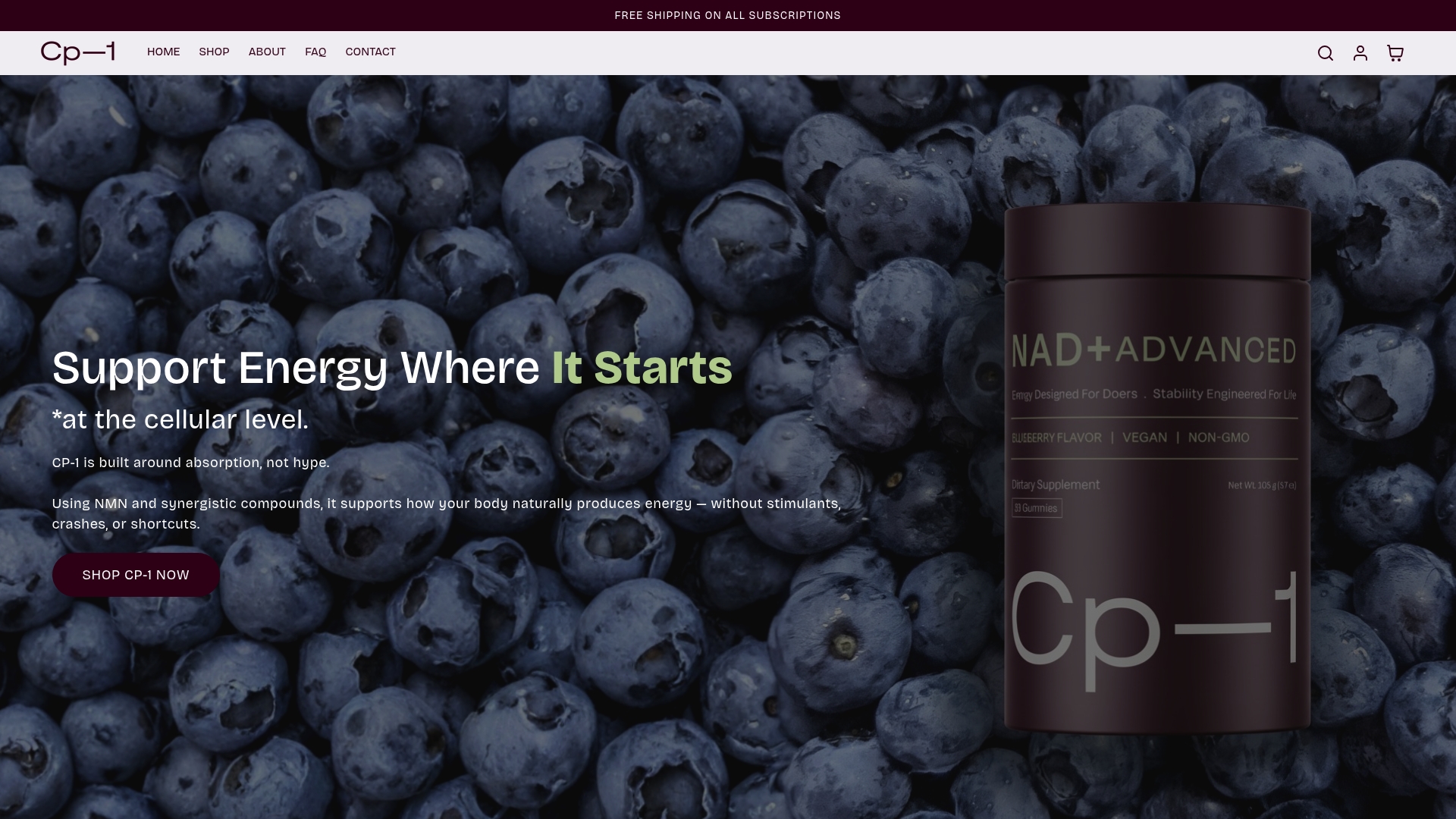
Cp-1 is built for people who take their health seriously. The CP-1 formula contains NMN to support NAD+ production, lion’s mane mushroom extract for cognitive function, reishi and turkey tail mushroom extracts for stress resilience, and coenzyme Q10 for mitochondrial energy. These are not ingredients chosen for a marketing deck. They are chosen because they work alongside protocols like intermittent fasting to support the cellular energy and mental clarity you are working toward. Every batch is third-party tested, vegan, non-GMO, and made in the US. If you want to explore CP-1 and its full formula, the details are all there. No hype, just the real thing.
FAQ
What is the best fasting protocol for beginners?
The 12:12 protocol is the best starting point for beginners. It involves fasting for 12 hours overnight and carries minimal side effects while allowing your metabolism to adapt before progressing to longer windows.
Can you drink coffee while fasting?
Black coffee with no sugar, cream, or milk is permitted during a fasting window. Artificial sweeteners and added calories break the fast by triggering metabolic responses.
How long does it take to see results from fasting?
Most people notice improved energy and mental clarity within 2–3 weeks of consistent fasting. Weight loss from intermittent fasting is gradual, averaging roughly 0.5 to 1 pound per week according to Harvard Health.
Why do i get headaches when fasting?
Headaches during fasting are almost always caused by dehydration or electrolyte depletion, not hunger. Adding sodium, magnesium, and potassium to your daily routine resolves this for most people within a few days.
Should i take supplements while fasting?
Non-caloric supplements like magnesium glycinate and electrolyte powders with no sweeteners are safe during fasting windows. Supplements containing calories or sweeteners should be taken during your eating window to avoid disrupting the fast.