

How to Optimize Your Longevity Routine for Real Results
A balanced weekly routine built around resistance training (2–3 sessions), Zone 2 aerobic work (150–300 minutes), one VO2max interval session, daily mobility, 7–9 hours of sleep, and adequate protein is the highest-leverage way to optimize your longevity routine and extend healthspan. That is not a theory. That is the consensus from Harvard, Johns Hopkins, Stanford, and the NIH, and you can start this week. Small, consistent changes outperform unsustainable protocols every time. Here is your quick-start plan:
This week’s non-negotiables:
- Monday: 30-minute brisk walk or easy bike ride (Zone 2, conversational pace)
- Tuesday: Full-body strength session, 3 sets of squat, hinge, push, pull (45 min)
- Wednesday: 30-minute walk + 10 minutes of hip and shoulder mobility work
- Thursday: Strength session #2 (same format as Tuesday)
- Friday: 20-minute Zone 2 cardio + 5-minute single-leg balance drills
- Saturday: One VO2max interval session: 4 rounds of 4 minutes hard effort, 3 minutes easy recovery
- Sunday: Full rest or a gentle 20-minute walk
Pro Tip: If you are over 65, have a chronic condition, or have been sedentary for more than six months, get clearance from your physician before starting the interval session. The rest of the template is safe to begin at a reduced intensity.
Key Takeaways
A balanced longevity routine built on resistance training, Zone 2 aerobic work, quality sleep, and measured nutrition is the most evidence-backed path to extending healthy years.
| Point | Details |
|---|---|
| Exercise dosing | Aim for 150–300 min of Zone 2 aerobic work and 2–4 strength sessions per week as your weekly floor. |
| Strength is the priority | Resistance training preserves muscle and bone, reducing disability risk; start with compound movements 2–3 times per week. |
| Sleep before supplements | Seven to nine hours of sleep per night drives more adaptation than any supplement; fix sleep first. |
| Measure to iterate | Establish a baseline (grip strength, VO2max estimate, lab values) and recheck every 6–12 weeks to confirm your routine is working. |
| Cp-1 as cellular support | Once the core pillars are in place, Cp-1’s NMN, mushroom, and CoQ10 formula offers evidence-minded cellular and cognitive support. |
Table of Contents
- Why does exercise matter so much for healthspan?
- How much exercise do you actually need for longevity?
- What are the four exercise pillars you need to program?
- What does a full week of longevity training look like?
- How do you progress safely and avoid burning out?
- Which non-exercise habits have the biggest impact on longevity?
- Which supplements have real evidence behind them?
- How do you track progress and know your routine is working?
- What I actually think most people get wrong about longevity
- Cp-1 supports your routine with real ingredients, not marketing fluff
- Sources
Why does exercise matter so much for healthspan?
Exercise is the single most studied intervention for extending healthy years. Not a supplement. Not a device. Movement. A Johns Hopkins longitudinal study found that combining four healthy behaviors, including regular movement and a nutritious diet, was associated with an 80% reduction in mortality risk over eight years. That is a number worth sitting with.
The mechanisms are not mysterious. Regular physical activity strengthens the heart and lowers resting blood pressure, improves insulin sensitivity and glucose metabolism, preserves lean muscle mass and bone density, and protects the brain against cognitive decline. PMC review-level evidence consistently shows that higher cardiorespiratory fitness (VO2max) is one of the strongest predictors of all-cause mortality, outperforming many traditional risk factors. Separately, PMC reviews linking activity to brain and metabolic outcomes show consistent findings across study types, including reduced dementia risk and better metabolic control.
CDC life expectancy data frames the population-level stakes: even modest lifestyle improvements across large groups translate into meaningful gains in average healthy years. The goal here is not just a longer life. It is a life where you are strong, sharp, and functional at 75 and beyond. Researchers at Harvard and Johns Hopkins now frame this as healthspan management, not just lifespan extension, and that framing changes how you should build your routine.
How much exercise do you actually need for longevity?
Precision matters here. Vague advice like “move more” is not a plan. Here are the concrete targets backed by federal guidelines and the research literature.
Weekly volume targets
The Physical Activity Guidelines for Americans set the floor at 150 minutes of moderate-intensity activity or 75 minutes of vigorous activity per week, plus muscle-strengthening on at least two days. For longevity specifically, the evidence supports pushing toward the upper range: 300 minutes of moderate activity (Zone 2) per week, with one or two vigorous sessions layered in.
Key dosing rule: 1 minute of vigorous effort is roughly equivalent to 2 minutes of moderate effort for cardiovascular benefit. You can mix and match.
Strength training dosing
For longevity, 2–4 strength sessions per week using compound movements is the sweet spot. Aim for 3–5 sets of 4–8 reps for heavier lifts focused on strength, or 2–4 sets of 8–15 reps for hypertrophy and muscle preservation. Progressive overload, adding weight, reps, or sets over time, is the mechanism that keeps adaptation happening. Without it, you plateau.
HIIT frequency and cautions
One to two HIIT or VO2max sessions per week is enough. More than that without adequate recovery raises cortisol, disrupts sleep, and increases injury risk. If you are new to intervals, start with one session every 10 days and build from there.
What are the four exercise pillars you need to program?
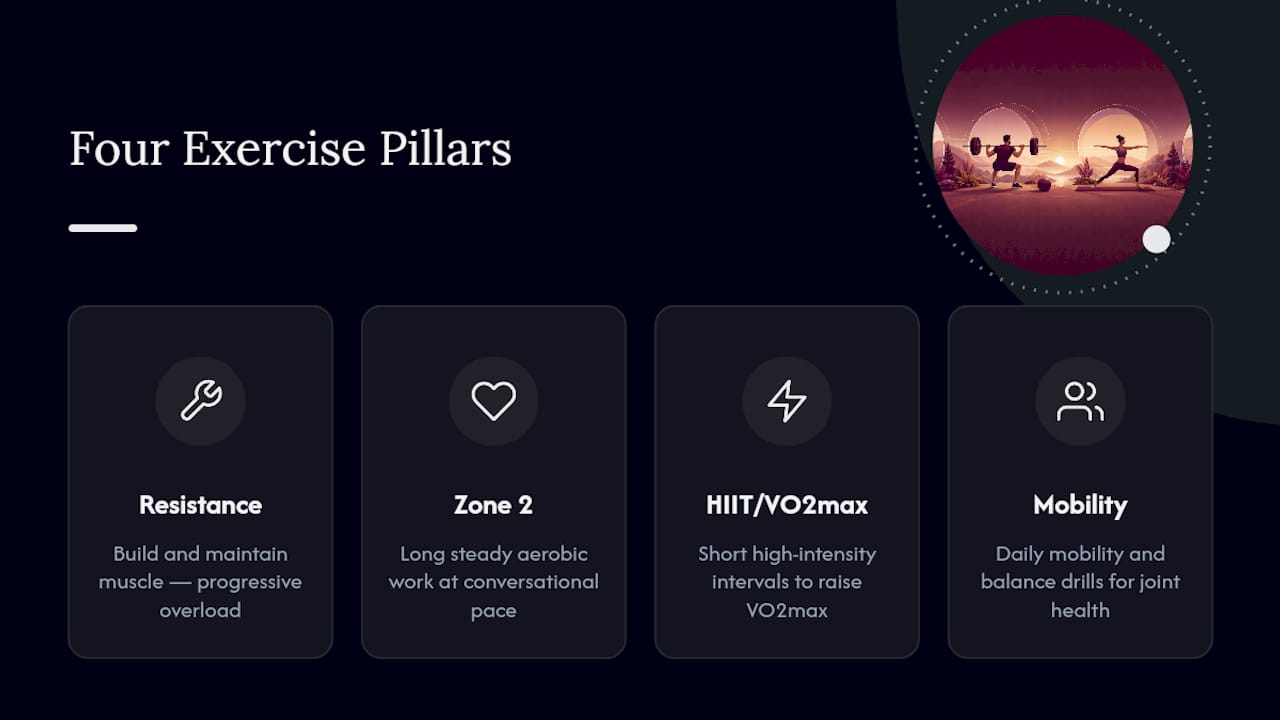
Think of your routine as four pillars. Miss one and the structure weakens. Here is how to program each one.
Resistance training: the non-negotiable foundation
Stanford Medicine recommends prioritizing resistance training in your 40s and 50s specifically to prevent sarcopenia (muscle loss) and preserve bone density. The same principle applies in your 30s as prevention and in your 60s as maintenance.
Focus on four movement patterns every session:
- Squat pattern: goblet squat, barbell back squat, or leg press
- Hinge pattern: Romanian deadlift, trap bar deadlift, or kettlebell swing
- Push pattern: push-up, dumbbell press, or overhead press
- Pull pattern: row, lat pulldown, or pull-up
Add a loaded carry (farmer’s carry, suitcase carry) when you can. Carries build grip strength, core stability, and real-world functional capacity in a way that machines simply do not replicate.
For older adults or those returning after a long break, reduce load and prioritize form. Two sessions per week at moderate intensity is enough to reverse early muscle loss.
Zone 2 aerobic training: your metabolic engine
Zone 2 is the intensity where you can hold a conversation but would not want to sing. On a 1–10 RPE scale, that is roughly a 4–5. Physiologically, it trains your mitochondria to burn fat efficiently and builds the aerobic base that supports every other type of training.
Practical options: brisk walking, cycling, swimming, rowing, or light jogging. Distribute your weekly volume across 3–5 sessions rather than cramming it into one long weekend effort. A 45-minute walk on Monday, Wednesday, and Friday gets you to 135 minutes before you have added anything else.
VO2max and HIIT: the longevity accelerator
VO2max is the ceiling of your aerobic capacity, and it is one of the strongest predictors of long-term survival. The most efficient way to raise it is interval training. A well-studied format is the 4×4: four minutes at a hard effort (RPE 8–9), followed by three minutes of easy recovery, repeated four times. One session per week is enough to drive meaningful adaptation.
If 4×4 feels too intense, try 30/30 intervals: 30 seconds hard, 30 seconds easy, for 10–20 minutes total. Always warm up for at least 10 minutes before any interval work.
Mobility and balance: the disability prevention layer
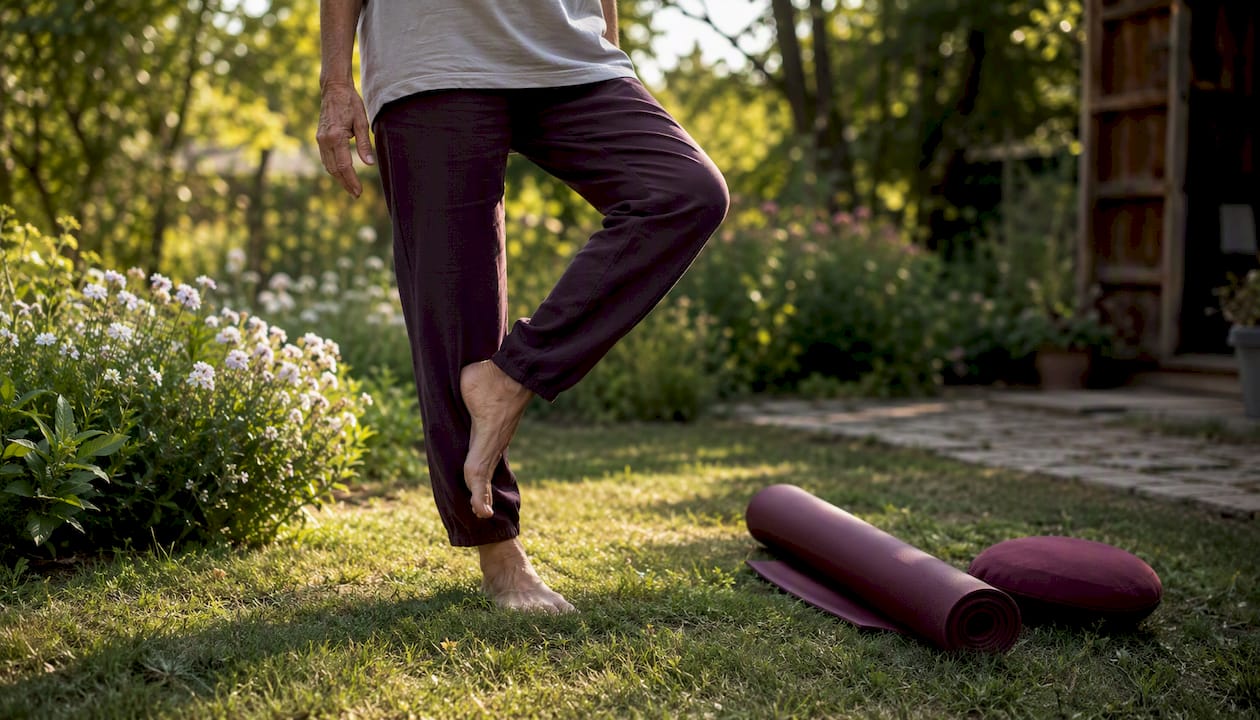
Falls and joint dysfunction are leading causes of lost independence in older adults. A short daily mobility practice, 10–15 minutes, addresses this directly. Tai chi has strong evidence for balance improvement. Yoga builds hip and thoracic mobility. Single-leg balance drills (standing on one foot for 30–60 seconds per side) are simple, require no equipment, and directly train the proprioceptive system.
Pro Tip: A 10-minute walk after dinner is one of the most underrated longevity habits. Post-meal walking lowers blood glucose spikes by improving insulin-mediated glucose uptake, and the effect is measurable within 15 minutes of eating.
What does a full week of longevity training look like?
Three templates follow, one for each level. Pick the one that matches where you are right now, not where you want to be in six months.
Beginner template (0–6 months of consistent training)
| Day | Session | Duration | Intensity |
|---|---|---|---|
| Monday | Zone 2 walk or bike | 30 min | RPE 4–5 |
| Tuesday | Full-body strength (squat, hinge, push, pull) | 40 min | RPE 6–7 |
| Wednesday | Mobility + balance drills | 20 min | RPE 2–3 |
| Thursday | Zone 2 walk | 30 min | RPE 4–5 |
| Friday | Full-body strength (same pattern) | 40 min | RPE 6–7 |
| Saturday | Zone 2 activity of choice | 30 min | RPE 4–5 |
| Sunday | Rest or gentle walk | 20 min | RPE 2–3 |
Weekly totals: ~90 min Zone 2, 2 strength sessions, 20 min mobility.
Intermediate template (6+ months consistent, no injuries)
Weekly totals: ~150 min Zone 2, 2 strength sessions, 1 HIIT session, 30 min mobility.
Older adult / mobility-focused template (65+, or managing joint issues)
Weekly totals: ~120 min Zone 2, 2 strength sessions, 30 min mobility/balance.
Time-saving options for busy weeks:
- Combine Zone 2 and mobility by doing a 20-minute walk followed by 10 minutes of stretching
- Use a 20-minute circuit of compound movements (squat, push-up, row, hinge) when you cannot fit a full strength session
- When traveling, bodyweight squats, push-ups, and a hotel hallway walk cover three pillars in under 30 minutes
How do you progress safely and avoid burning out?
The most common mistake is doing too much too soon. The second most common is staying at the same intensity for months and wondering why nothing is changing.
Progression principles
For strength, add weight only when you can complete all prescribed reps with good form across all sets. If you miss reps, hold the weight and add a set instead.
Frequency adjustments follow a similar logic. Add a third strength session only after you have been consistent with two sessions for at least six weeks. Add a second HIIT session only after the first one feels manageable and your sleep and recovery are solid.
Recovery is training
Sleep is where adaptation happens. Seven to nine hours per night is not a suggestion; it is a physiological requirement for muscle protein synthesis, hormonal regulation, and cognitive consolidation. Active recovery sessions (light walking, swimming, yoga) on rest days maintain blood flow and reduce soreness without adding stress.
Periodization does not need to be complicated. This deload week lets connective tissue recover and often produces a performance jump in week five.
Red flags that warrant a clinician visit
- Chest pain, pressure, or tightness during or after exercise
- Dizziness, lightheadedness, or fainting
- Shortness of breath disproportionate to effort
- Joint pain (not muscle soreness) that persists more than 48 hours
- Heart rate that does not return to near-resting within 10 minutes of stopping
If any of these appear, stop training and consult your physician before resuming.
Which non-exercise habits have the biggest impact on longevity?
Exercise is the anchor, but it does not work in isolation. Harvard’s Pathways to Longevity report identifies a plant-forward diet, regular movement, quality sleep, and social connection as the core pillars of a longer, healthier life. Here is how to implement each one practically.
Nutrition: protein first
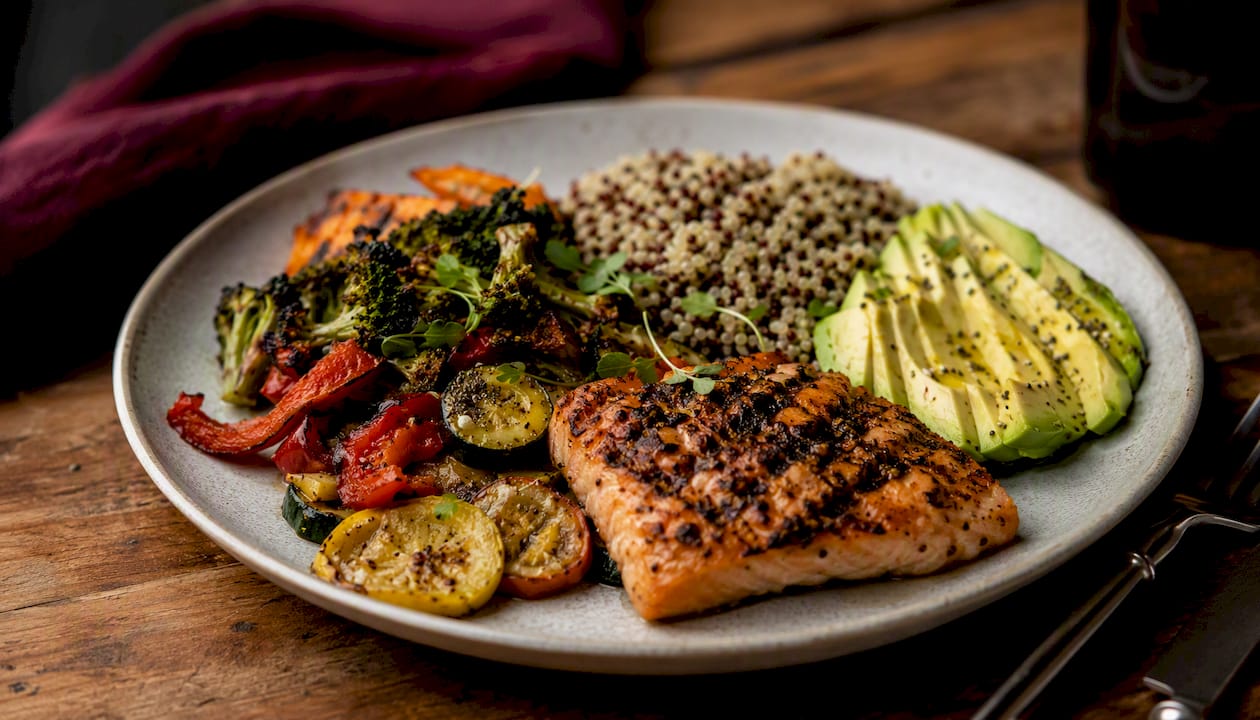
Muscle preservation requires adequate protein, especially as you age. A practical target for active adults is 0.7–1.0 grams of protein per pound of body weight per day. Prioritize whole food sources: eggs, fish, legumes, Greek yogurt, and lean meats. Build your plate with vegetables and fruits as half, whole grains as a quarter, and healthy proteins as the remaining quarter, following Harvard’s meal-plate guidance.
Sleep: the recovery multiplier
Seven to nine hours per night is the target for most adults. Practical sleep hygiene steps that actually move the needle:
- Keep a consistent wake time, even on weekends
- Drop room temperature to 65–68°F
- Avoid screens for 30–60 minutes before bed
- Limit caffeine after 1 PM
Stress, social connection, and cognitive engagement
Chronic stress elevates cortisol, which degrades muscle, disrupts sleep, and accelerates cellular aging. Ten minutes of daily meditation or diaphragmatic breathing is enough to produce measurable reductions in stress markers. Harvard and Johns Hopkins researchers link social connection and optimism to longer healthspan in large cohort studies. Schedule social time the same way you schedule workouts.
Cognitive engagement matters too. Learning a new skill, playing an instrument, or doing structured problem-solving challenges the brain in ways that passive entertainment does not. Pair cognitive challenges with physical activity when possible: a dance class, a martial art, or a sport that requires spatial awareness trains both systems simultaneously. For a deeper look at cognitive enhancement strategies, the evidence points clearly toward combining mental and physical challenge.
Behavior change and adherence
The best routine is the one you actually do. Small, incremental changes reliably produce better long-term adherence than extreme protocols. Habit stacking works: attach a new behavior to an existing one. Walk after dinner every night, not “when I have time.” Do your mobility work while coffee brews. These micro-habits build the metabolic runway for higher-leverage interventions to take hold.
Pro Tip: Write down your one non-negotiable habit for the week on Sunday night. Research on implementation intentions shows that people who specify when and where they will perform a habit are significantly more likely to follow through than those who set vague goals.
Which supplements have real evidence behind them?
Most supplements on the market are garbage. Underdosed, poorly tested, and designed for a marketing deck rather than for the person swallowing them. That said, a handful of compounds have a meaningful body of evidence worth knowing about.
Evidence tiers for common longevity supplements
- Creatine monohydrate: Strong evidence for muscle strength and power output; emerging evidence for cognitive benefits and neuroprotection. One of the most studied supplements in existence.
- Vitamin D3: Widespread deficiency in the US population; supports bone density, immune function, and mood. Get your levels tested before supplementing.
- Omega-3 fatty acids (EPA/DHA): Consistent evidence for cardiovascular and anti-inflammatory benefits. Dose matters; most studies use 1–3 grams of combined EPA/DHA daily.
- NMN (Nicotinamide Mononucleotide): A precursor to NAD+, a coenzyme that declines with age and is central to cellular energy production and DNA repair. Human trials are ongoing; early data is promising. For a thorough look at the role of supplements in aging, NMN sits in the “promising, watch the research” tier.
- Medicinal mushrooms (Lion’s Mane, Reishi, Turkey Tail): Lion’s Mane has the strongest cognitive evidence; Reishi supports stress resilience and immune modulation; Turkey Tail is studied for immune support. Quality and extraction method vary enormously between products.
- CoQ10: Supports mitochondrial energy production; particularly relevant for adults over 40 and anyone taking statins, which deplete CoQ10.
What to look for in a quality product
Before buying any supplement, run through this checklist:
- Third-party tested (NSF, USP, or Informed Sport certification)
- GMP-certified manufacturing facility
- Transparent labeling with actual ingredient doses, not proprietary blends
- Vegan and non-GMO if those matter to you
- US-manufactured for supply chain accountability
Cp-1 checks every one of those boxes. The CP-1 NAD+ Advanced Supplement is a chewable gummy containing NMN, Lion’s Mane, Reishi, Turkey Tail, and CoQ10, manufactured in the US under GMP standards, third-party tested, vegan, and non-GMO. The formulation targets cellular energy production, NAD+ support, cognitive function, and immune health. If you are on medications, particularly statins, blood thinners, or immunosuppressants, talk to your clinician before adding any new supplement.
How do you track progress and know your routine is working?
Tracking is not about obsessing over numbers. It is about having enough signal to know whether your routine is producing adaptation or just fatigue.
Priority metrics
Fitness metrics:
- Grip strength: A simple dynamometer test; grip strength correlates strongly with all-cause mortality in large studies. Test monthly.
- VO2max estimate: Most modern wearables (Garmin, Apple Watch, Polar) provide a VO2max estimate from heart rate data. It is not lab-accurate, but the trend over months is meaningful.
- Cooper test: Run as far as you can in 12 minutes. Record the distance. Retest every 8–12 weeks.
- Single-leg balance: Time how long you can stand on one leg with eyes closed. Thirty seconds is a reasonable target for adults under 60.
Lab values worth discussing with your clinician:
- ApoB: A more precise cardiovascular risk marker than LDL cholesterol alone
- Fasting insulin: Reflects insulin sensitivity and metabolic health before blood glucose becomes abnormal
- hs-CRP: A marker of systemic inflammation; elevated levels predict cardiovascular and metabolic risk
Practical measurement plan
Establish a baseline in week one. Retest fitness metrics at 6 weeks and again at 12 weeks. Lab values are worth checking every 6–12 months if you are actively modifying your routine.
Pro Tip: Log your training in a simple spreadsheet or app (Google Sheets, Apple Notes, or a dedicated app like Hevy for strength) and note your subjective energy and sleep quality each day. After 4–6 weeks, patterns emerge that no single metric captures on its own.
What I actually think most people get wrong about longevity
The longevity space has a noise problem. Every week there is a new protocol, a new molecule, a new device promising to add years to your life. Most of it is a distraction from the four or five things that actually move the needle.
Here is my honest take: sleep is the foundation, and almost nobody treats it that way. You can do everything else right, but chronic sleep deprivation will undo your strength gains, spike your cortisol, and accelerate the cellular aging you are trying to slow down. Fix sleep first.
After sleep, the sequence that makes sense is: build your strength base, layer in Zone 2 aerobic work, get your nutrition dialed in around protein and whole foods, run a baseline lab panel, and then, once those pillars are solid, consider whether targeted supplements add anything meaningful for you. Supplements are not the foundation. They are the finishing layer.
The other thing most people underestimate is measurement. Not obsessive tracking, but a baseline and a recheck. Without it, you are flying blind. You might be working hard and going nowhere, or you might be making real progress and not knowing it. Both outcomes are worse than they need to be.
Consult a clinician for personalized decisions, especially around lab testing, medication interactions, and any exercise modifications for existing conditions. The framework here is general. Your body is specific.
Cp-1 supports your routine with real ingredients, not marketing fluff
You have built the framework. Now the question is whether a supplement can genuinely add to it, or whether it is just another product with a good label.
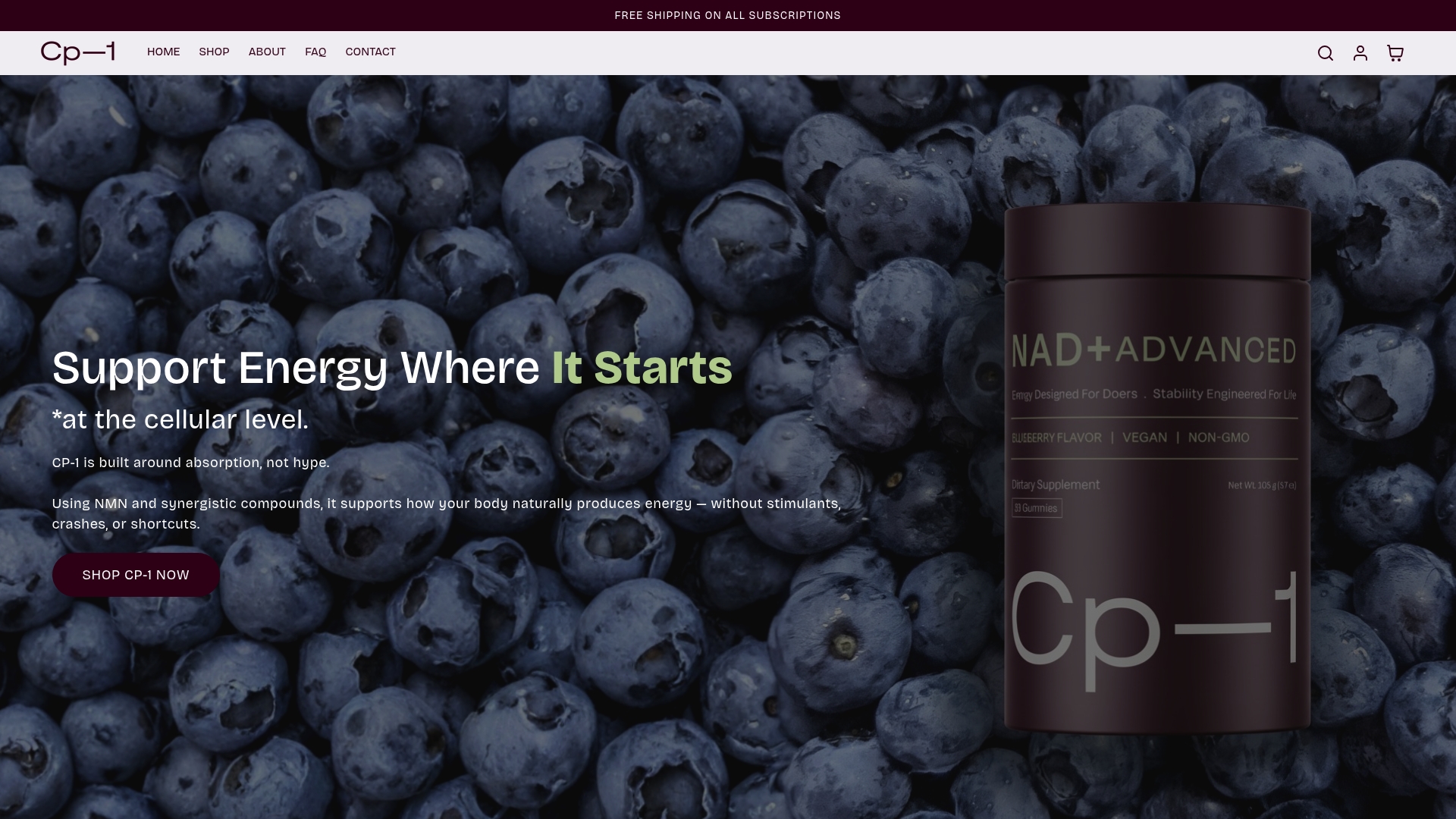
Cp-1’s NAD+ Advanced Supplement was formulated for exactly the kind of person reading this article: someone who has done the work on sleep, training, and nutrition, and wants cellular support that matches that level of seriousness. The formula combines NMN for NAD+ production, Lion’s Mane for cognitive function, Reishi for stress resilience, Turkey Tail for immune support, and CoQ10 for mitochondrial energy. Every ingredient is dosed honestly, not buried in a proprietary blend.
What makes Cp-1 worth considering:
- Third-party tested for purity and potency
- GMP-certified, US-manufactured
- Vegan and non-GMO certified
- Chewable gummy format for absorption and convenience
- No stimulants, no fillers, no garbage
If you are on any medications, check with your clinician before adding it. For everyone else, explore CP-1 here and see whether it fits your routine.
Sources
These are the primary sources used throughout this article. Each one is worth bookmarking if you want to go deeper on any section.
- Pathways to Longevity: Science and strategies in pursuit of a longer, healthier life — Harvard Health
- Five healthy habits for longevity in your 40s and 50s — Stanford Medicine
- 4 Top Ways to Live Longer — Johns Hopkins Medicine
- PMC article on fitness and mortality — NCBI
- Life expectancy statistics — CDC
- Want to live longer? The tiniest of lifestyle changes can dramatically boost — Scientific American
This article is general information, not a substitute for advice from a qualified doctor. Consult a qualified healthcare professional about your own circumstances before acting on anything here.