

How to Use Nootropics Safely: A Practical Guide
Safe nootropic use is defined as selecting verified cognitive enhancers, following evidence-based dosage guidelines, and consulting a healthcare professional before starting any regimen. Knowing how to use nootropics safely matters because the supplement market is largely unregulated, and many products fail to deliver what they promise. The FDA does not pre-approve dietary supplements, which means quality control falls entirely on you. This guide covers the core safety steps: what to check before you start, how to dose responsibly, how to stack nootropics safely, and how to spot a product worth trusting.
What are the essential prerequisites for using nootropics safely?
Safe nootropic use starts before you open a single bottle. You need a baseline understanding of what you are taking, why you are taking it, and what risks apply to your specific health situation.
The first step is knowing the difference between nootropic categories. Racetams, adaptogens, cholinergics, and stimulants each carry different safety profiles. Lion’s mane mushroom extract, for example, supports nerve growth factor and is generally well tolerated. Synthetic racetams like piracetam have a longer track record but require choline co-supplementation to avoid headaches. Stimulants like caffeine carry clear dose-dependent risks.

Consulting a healthcare professional before starting is non-negotiable if you take prescription medications. Drug interactions are the most common and most preventable source of serious harm. Toxicologists specifically flag this as the primary safety step. If you are on SSRIs, blood thinners, or stimulant medications, certain nootropics can amplify or block their effects in dangerous ways.
Before buying anything, check for these prerequisites:
- Medical clearance: Talk to your doctor if you have any existing health condition or take prescription drugs.
- COA verification: Request a Certificate of Analysis from an independent lab before purchasing.
- Regulatory status check: Confirm the compound is legal and not a controlled substance in your country.
- Dose tracking system: Use a journal or app to log what you take, when, and how you feel.
- Label accuracy awareness: 20–30% of dietary supplements fail to meet their label claims, so third-party verification is not optional.
Pro Tip: Before buying a new supplement, search the brand name plus “COA” or “third-party tested.” If you cannot find a publicly available Certificate of Analysis, that is a red flag worth taking seriously.
How do you determine safe and effective nootropic dosages?
Dosing is where most people make their first mistake. They assume more is better, or they copy a dose from a forum without accounting for their own body weight, tolerance, or health status. Neither approach is safe.
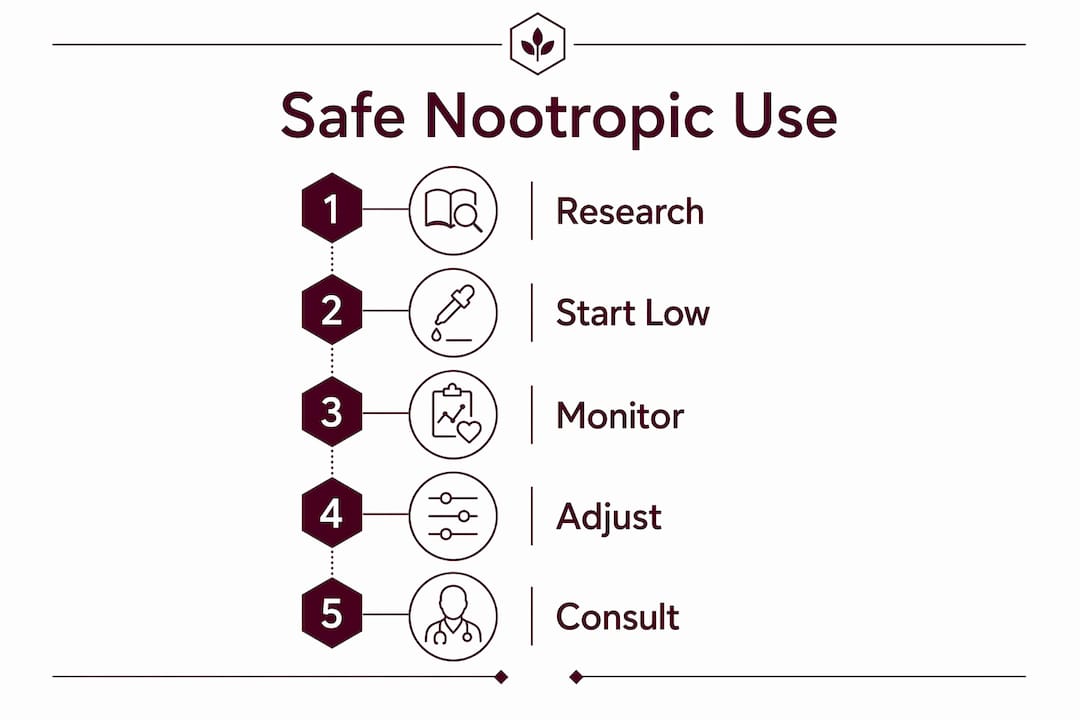
The correct method is to start at the lowest dose within the clinical research range and hold there for at least one week before adjusting. This gives your body time to respond and gives you clean data on how the compound affects you. Jumping straight to a high dose eliminates your ability to identify what is actually working.
Follow these steps when establishing a dosage protocol:
- Find the clinical range. Look for peer-reviewed studies or established safety guidelines, not just product labels. The FDA recognizes up to 400 mg of caffeine daily as safe for healthy adults, for example.
- Start at 25–50% of the clinical dose. Give your system a chance to adapt before you increase.
- Hold for 7 days. Log your mood, focus, sleep quality, and any physical symptoms every day.
- Adjust by one variable at a time. Never change dose and timing simultaneously. You will not know which change caused which effect.
- Avoid stimulant stacking. Combining caffeine with other stimulants raises arrhythmia risk. Experts advise against stacking stimulants even within the 400–500 mg daily caffeine range.
- Schedule breaks. Cyclic use prevents tolerance and reduces dependency risk. A common structure is five days on, two days off, or three weeks on, one week off.
- Stop immediately if symptoms persist. Headaches, heart palpitations, anxiety, or disrupted sleep that last more than two days are signals to discontinue and consult a doctor.
Pro Tip: Keep your dose log in a simple spreadsheet with columns for compound, dose, time taken, and a 1–10 rating for focus, energy, and sleep. After 30 days, patterns become obvious.
What are the best practices for introducing and combining nootropics?
Stacking nootropics, meaning combining two or more compounds for synergistic effect, is where the real complexity begins. Done correctly, a stack can meaningfully improve focus and mental stamina. Done carelessly, it creates a mess of variables that makes it impossible to identify what is helping or hurting you.
The single most important rule is to introduce one new compound at a time, waiting 5–7 days before adding another. This window gives you a clear picture of each compound’s individual effect. Skipping this step is the most common mistake people make when building a stack.
Key practices for safe stacking:
- Never combine multiple stimulants. Caffeine plus synephrine plus high-dose tyrosine is a recipe for cardiovascular stress.
- Pair racetams with choline. Racetams increase acetylcholine demand. Without a choline source like Alpha-GPC or CDP-choline, headaches are almost guaranteed.
- Check for prescription interactions. If you take any medication, cross-reference it with every compound in your stack. Resources like supplement-drug interaction guides can help you identify risks before they become problems.
- Track four metrics after each addition: mood, sleep quality, energy level, and any physical side effects.
- Avoid continuous daily use. Daily use without breaks increases tolerance and can create dependency patterns, particularly with stimulant-based compounds.
- Time your doses strategically. Take stimulating compounds in the morning. Taking them after 2:00 PM disrupts sleep architecture for most people.
The goal of a well-built stack is not to feel more of everything. It is to feel a specific, measurable improvement in focus or cognitive endurance with no meaningful downside.
How can you verify product quality and avoid unsafe nootropics?
Product quality is the variable most people underestimate. You can follow perfect dosing protocols and still get poor results or adverse effects if the product itself is inaccurate or contaminated.
A Certificate of Analysis from an independent lab is the most reliable tool for verifying what is actually in a supplement. A COA confirms ingredient identity, potency, and the absence of contaminants like heavy metals, pesticides, and microbial agents. The FDA does not test supplements before they reach shelves, so this verification step is entirely on the buyer.
| Quality indicator | What to look for |
|---|---|
| Third-party COA | Issued by an accredited independent lab, not the manufacturer |
| cGMP certification | Confirms the facility follows current Good Manufacturing Practices |
| Vegan and non-GMO labels | Reduces risk of undisclosed additives or animal-derived fillers |
| US-based manufacturing | Subject to stricter facility oversight than many overseas producers |
| Transparent ingredient list | No proprietary blends that hide individual compound doses |
Proprietary blends are a specific concern. When a label lists a “cognitive blend” with a total weight but no individual doses, you have no way to verify whether any compound is present at a clinically meaningful level. That is a formula designed for a marketing deck, not for the person swallowing it. Stick with products that list every ingredient and its exact dose. Understanding why third-party testing matters is the fastest way to separate real products from placebo-grade supplements.
What are common safety mistakes and how do you fix them?
Most nootropic-related problems are preventable. They stem from a handful of recurring mistakes that are easy to correct once you know what to look for.
Common mistakes and how to address them:
- Ignoring early side effects. A mild headache on day one is a signal, not noise. Daily symptom tracking catches problems before they escalate.
- Stacking stimulants without realizing it. Pre-workout supplements, energy drinks, and nootropic stacks often all contain caffeine. Add them up before assuming your total intake is safe.
- Skipping cycling. Continuous daily use of stimulants or racetams builds tolerance fast. Schedule breaks from the start, not after you notice diminishing returns.
- Storing supplements improperly. Heat and humidity degrade active compounds. Keep products in a cool, dry place and out of reach of children.
- Not reporting adverse reactions. If you experience chest tightness, severe anxiety, or unusual heart rhythms, stop the compound and contact a healthcare provider immediately.
“If you experience a serious adverse reaction to a supplement, contact Poison Control at 1-800-222-1222. Toxicologists there can advise on next steps and help assess whether a hospital visit is needed. Do not wait to see if symptoms resolve on their own.”
Pairing racetams with choline sources like Alpha-GPC resolves the most common side effect in that class. Timing stimulating compounds with food reduces gastric irritation and smooths out the energy curve. Most side effects are manageable with small adjustments. The ones that are not manageable are telling you something important.
Key Takeaways
Safe nootropic use requires verified products, conservative dosing, medical consultation, and consistent monitoring before and after every change.
| Point | Details |
|---|---|
| Consult a doctor first | Medical clearance is non-negotiable if you take prescription medications or have a health condition. |
| Verify product quality | Always request a COA from an independent lab before purchasing any nootropic supplement. |
| Start low, adjust slowly | Begin at 25–50% of the clinical dose and hold for 7 days before making any changes. |
| Introduce one compound at a time | Wait 5–7 days between adding new compounds to clearly identify effects and reactions. |
| Cycle your use | Scheduled breaks prevent tolerance buildup and reduce the risk of dependency. |
What I’ve learned from years of watching people misuse nootropics
The most common mistake I see is not recklessness. It is impatience. People read about a compound, feel excited, and take three new things in the same week. Then they feel off and have no idea which one caused it. That is not a nootropic problem. That is a protocol problem.
The second thing I see constantly is people dismissing the “natural” label as a safety guarantee. Herbal extracts carry real toxicity risks for certain populations, including pregnant women and people with liver conditions. Natural means it came from a plant. It does not mean it is safe for you at any dose.
What actually works is boring but reliable: one compound, low dose, one week, honest tracking. The people who get real results from nootropics are the ones who treat their body like a system worth understanding, not a machine to override. Evidence-based approaches beat anecdotal trends every time. The cognitive performance benefits are real, but only when you earn them through disciplined practice.
— Hugo
Cp-1 is built for people who take this seriously
If you have read this far, you already think differently than most supplement buyers. You want to know what is in your product, how it was made, and whether it actually works.
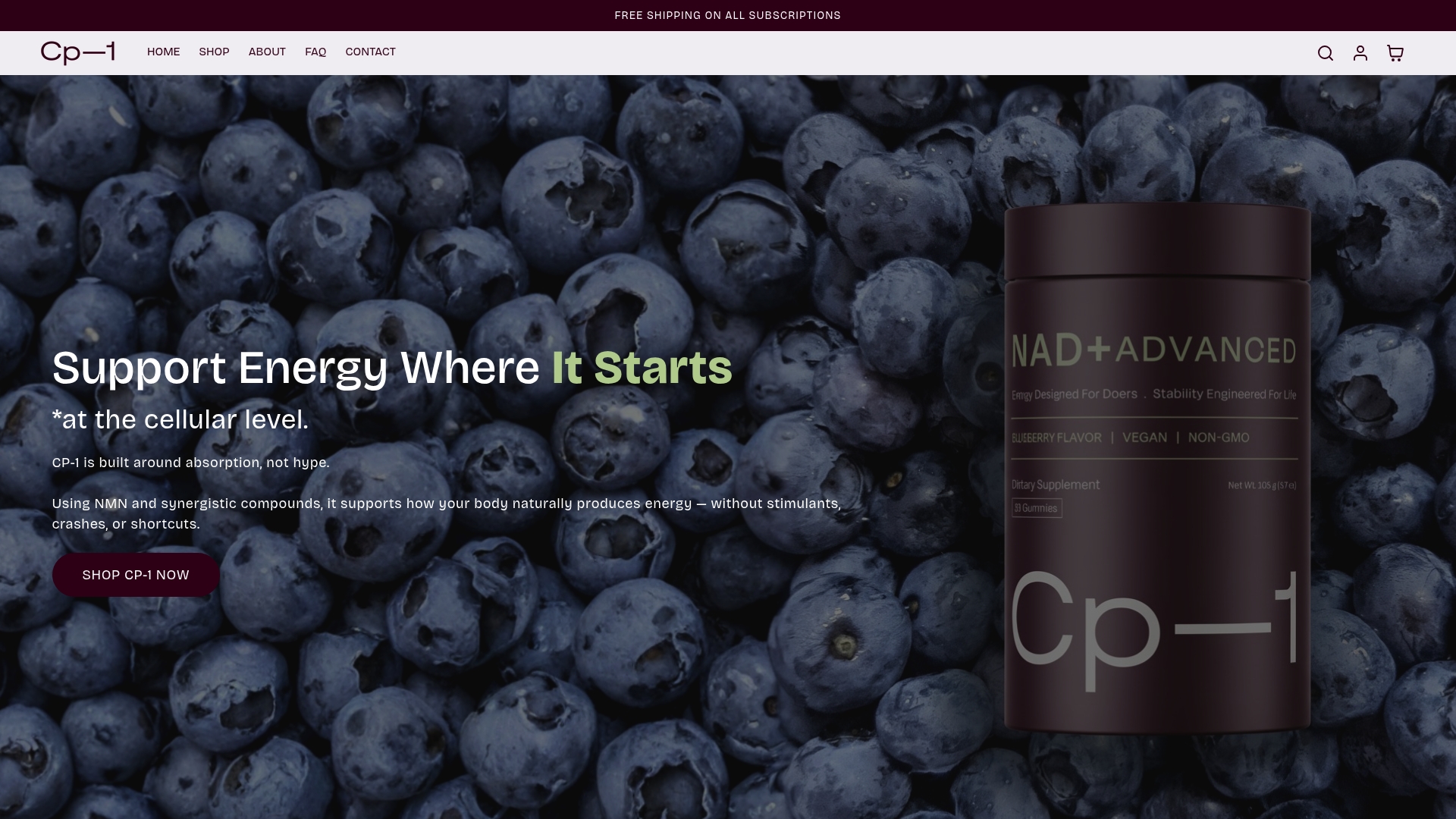
Cp-1 is manufactured in the US under cGMP standards, third-party tested, and fully transparent about every ingredient and dose. The formula combines NMN, lion’s mane mushroom extract, reishi mushroom extract, turkey tail mushroom extract, and coenzyme Q10 to support NAD+ production, mitochondrial energy, and mental clarity without stimulants. No proprietary blends. No guesswork on dosing. If you want a verified cognitive support supplement built for people who actually read the label, Cp-1 is worth your attention.
FAQ
What does “safe nootropic use” actually mean?
Safe nootropic use means taking verified, accurately labeled compounds at clinically supported doses while monitoring your body’s response and consulting a healthcare professional before starting.
How do I know if a nootropic product is trustworthy?
Look for a Certificate of Analysis from an independent lab, cGMP-certified manufacturing, and a fully transparent ingredient list with individual compound doses listed.
Can I combine nootropics with my prescription medication?
Not without medical guidance. Drug interactions are the leading preventable risk in nootropic use, and a healthcare provider or pharmacist can identify conflicts before they cause harm.
How long should I take a nootropic before evaluating results?
Give any new compound at least 14–21 days at a consistent dose before drawing conclusions, while tracking mood, focus, and sleep quality daily throughout that period.
Are natural nootropics always safer than synthetic ones?
No. Natural does not mean safe for all people. Herbal extracts carry specific toxicity profiles and can be risky for pregnant women, children, and people with certain health conditions.