

Non Stimulant Fat Burner: Natural Energy Without Jitters
Non-stimulant fat burners offer modest, real support for weight management when paired with diet and exercise, but the NIH cautions that evidence varies and supplements are adjuncts, not solutions. Cp-1 stands out in this category because it targets cellular and cognitive energy through mitochondrial cofactors like NMN and CoQ10, rather than loading you up with caffeine that wrecks your sleep. If you want one stimulant-free option to start with, Cp-1 is worth a serious look.
Why choose a stimulant-free product in the first place?
- No CNS stimulation means no racing heart, no jitters, and no 2 AM staring at the ceiling
- Evening dosing is possible, which matters if you train late or work night shifts
- Compatible with anxiety, blood pressure concerns, or caffeine sensitivity
- Mitochondrial and NAD+ support works at the cellular level, not by forcing your nervous system to run hotter
Pro Tip: If you are already drinking two or more cups of coffee daily, adding a stimulant-based fat burner on top stacks your caffeine load in ways most labels never warn you about. A genuinely stimulant-free formula sidesteps that problem entirely.
Table of Contents
- How do non-stimulant fat burners actually work?
- What ingredients are in non-stimulant fat burners, and what does the evidence say?
- What does the clinical evidence actually say about safety and effectiveness?
- How to pick a non-stimulant fat burner without getting burned
- A practical stimulant-free stack and an 8–12 week plan
- Safe dosing, red flags, and when to see a clinician
- Key Takeaways
- Why cellular energy, not CNS stimulation, is the smarter target
- Cp-1: one stimulant-free option built for cellular energy
- Useful sources and further reading
How do non-stimulant fat burners actually work?
The core difference is where the action happens. Stimulant-based products hit the central nervous system directly, raising heart rate and alertness to burn more calories. Non-stimulant formulas work through peripheral and cellular pathways instead.
The main mechanisms, in plain terms:
- Thermogenesis via botanical extracts — Capsaicinoids from cayenne pepper mildly raise heat production in fat tissue without touching the CNS.
- Fat absorption modifiers — Chitosan binds dietary fat in the gut, reducing how much gets absorbed.
- Bulk appetite suppression — Glucomannan and psyllium expand in the stomach, increasing fullness hormones like GLP-1 and PYY.
- Mitochondrial and cellular energy support — CoQ10 and NAD+ precursors like NMN support the electron transport chain, improving how efficiently your cells produce ATP.
- Adaptogens and nootropics — Lion’s mane, reishi, and bacopa support cognitive energy and stress resilience without stimulating the CNS.
“Non-stimulant fat burners share the weight-management goal with stimulant products but act via metabolic and peripheral mechanisms, which avoids CNS arousal and the sleep and jitter effects associated with caffeine.” — BarBend editorial analysis
The tradeoff is onset time. You will not feel a non-stimulant formula hit in 20 minutes the way caffeine does. Cellular and metabolic changes build over weeks. That slower curve is actually a feature if you care about sustainable, long-term results rather than a short-term buzz.

What ingredients are in non-stimulant fat burners, and what does the evidence say?
Most products pull from a short list of well-studied compounds. Here is how the main ones stack up:
| Ingredient | Intended Benefit | Evidence Level | Typical Active Dose |
|---|---|---|---|
| Glucomannan | Appetite suppression, satiety | Clinically supported | 1–4 g before meals |
| Psyllium husk | Fiber bulk, caloric reduction | Clinically supported | 5–10 g daily |
| Chitosan | Fat absorption reduction | Mixed evidence | 1–3 g daily |
| Capsicum/cayenne | Mild thermogenesis | Clinically supported | 2 mg capsaicinoids |
| L-carnitine | Fat oxidation support | Mixed evidence | 1–3 g daily |
| Berberine | Glucose and weight management | Clinically supported | — |
| CoQ10 | Mitochondrial energy | Preclinical/limited for fat loss | — |
| NMN/NR | NAD+ support, cellular energy | Preclinical/limited for fat loss | — |
| Lion’s mane | Cognitive energy, neuroprotection | Mixed evidence | — |
| Green tea extract (decaffeinated) | Thermogenesis via EGCG | Clinically supported | — |
| Fenugreek | Appetite suppression | Mixed evidence | — |
| Gymnema sylvestre | Sugar craving reduction | Mixed evidence | — |
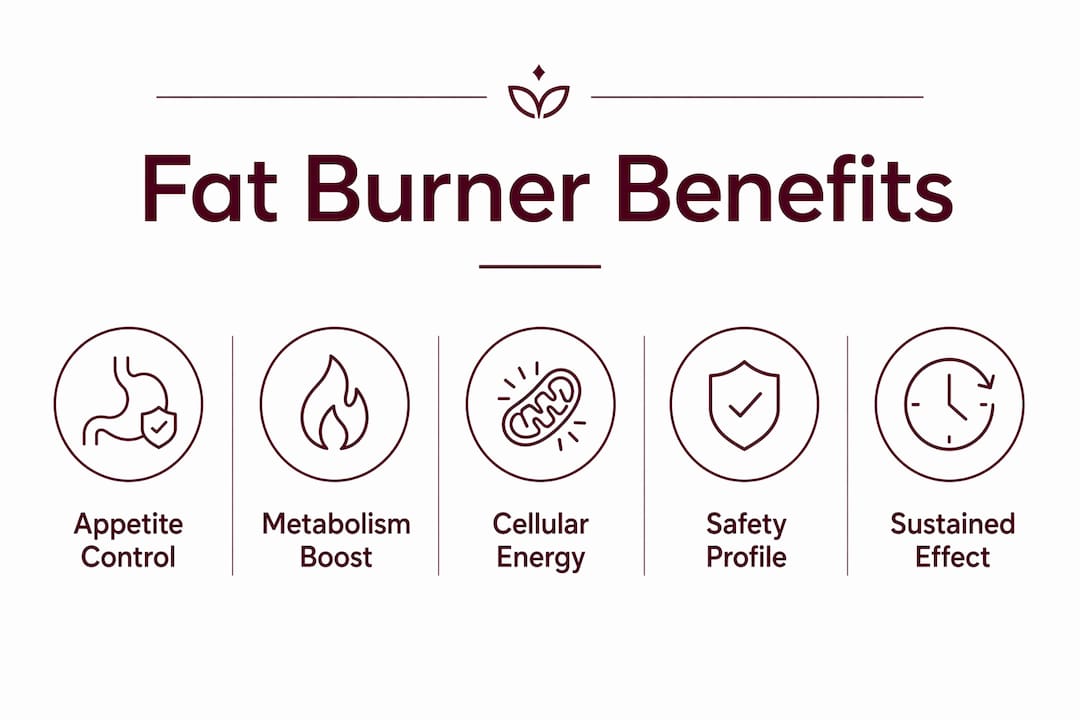
One thing most buyers miss: green tea extract is not automatically stimulant-free. Standard extracts contain native caffeine alongside EGCG. Only explicitly decaffeinated versions qualify as genuine non-stimulant options. Always check the label.
Fiber-based appetite suppressants like glucomannan have the strongest mechanistic rationale in this category. They increase satiety hormones and reduce caloric absorption, two levers that directly support a calorie deficit without touching your adrenal system.
What does the clinical evidence actually say about safety and effectiveness?
The honest answer: modest benefits, real safety signals, and a lot of short studies. A randomized, placebo-controlled trial of a stimulant-free blend containing glucomannan, chitosan, fenugreek, Gymnema, and vitamin C found the treatment group lost 2.3 kg over six weeks versus 0.0 kg for placebo, with significant reductions in body fat percentage and waist circumference. That is a real result. It is also a six-week study on a combination product, so attributing the outcome to any single ingredient is not possible.
“Dietary supplements for weight loss show variable effectiveness and should be considered adjuncts to diet and exercise, not replacements.” — NIH Office of Dietary Supplements
Safety signals worth knowing before you buy:
- Capsaicin and GI discomfort — Cayenne-based ingredients can cause significant burning or stomach pain when taken on an empty stomach. Always take with food.
- Chitosan and fat-soluble vitamins — Chitosan binds fat in the gut, which can reduce absorption of vitamins A, D, E, and K with long-term use.
- Berberine drug interactions — Berberine affects CYP enzymes and can interact with metformin, blood thinners, and certain antibiotics.
- Hidden caffeine in herbal extracts — “Natural” does not mean caffeine-free. Green tea, guarana, and yerba mate all contain native stimulants unless explicitly removed.
Pro Tip: Before buying any supplement, search the brand name plus “COA” or “certificate of analysis.” A current, third-party COA confirms what is actually in the capsule. No COA, no purchase.
How to pick a non-stimulant fat burner without getting burned
The supplement aisle is full of products designed for a marketing deck, not for the person swallowing them. Here is what to check before spending a dollar.
Label checklist:
- Full ingredient list with per-ingredient doses (no proprietary blends)
- Zero added caffeine, guarana, or yerba mate
- Declared allergen sourcing (chitosan comes from shellfish)
- Vegan and non-GMO certifications if those matter to your diet
- US-based manufacturing noted on the label or product page
Use this supplement label reading checklist to spot hidden stimulants and underdosed ingredients before you buy.
Questions to ask on any product page:
- Is a clinical dose provided for each active ingredient?
- Are third-party COAs current and accessible without emailing customer service?
- Is there a clear return policy if the product does not work for you?
- Does the brand link to actual studies, or just use phrases like “clinically inspired”?
Pro Tip: Mid-range pricing ($40–$70 per month) usually signals real ingredient doses and third-party testing. Anything under $20 almost always means underdosed actives, proprietary blends, or both.
A practical stimulant-free stack and an 8–12 week plan
The biggest mistake people make is buying three new products at once and then having no idea which one helped or hurt. Start simple.
Sample starter stack (cellular energy + metabolic support):
- Mitochondrial cofactor (CoQ10 or NMN): supports ATP production and cellular energy without CNS stimulation
- Fiber-based appetite support (glucomannan or psyllium): reduces caloric intake at the gut level
- Berberine (if metabolic support is a priority): supports glucose management and has the strongest weight-related RCT data in this category
8–12 week plan:
- Week 1: Establish baselines. Weigh yourself, measure waist, note sleep quality and energy levels. Start with the fiber supplement only, taken before your two largest meals.
- Weeks 2–4: Add the mitochondrial cofactor. Track energy and focus, not just the scale.
- Weeks 5–8: If tolerating both well, add berberine with meals. Watch for GI adjustment in the first week.
- Weeks 9–12: Assess all three measures from Week 1. Adjust diet and exercise before changing the supplement stack.
For a stepwise approach to combining supplements with sleep and nutrition, the natural energy support workflow from Cp-1 lays out a practical daily structure.
Timing matters: take fiber supplements with water 30 minutes before meals. Mitochondrial cofactors like CoQ10 absorb better with a fat-containing meal. Berberine works best split across two or three doses with food rather than one large dose.
Safe dosing, red flags, and when to see a clinician
Start at 50% or less of the labeled dose if you are new to any ingredient. This is especially true for berberine and capsaicin-based products, which can cause significant GI effects at full dose in week one.
Stop and consult a doctor if you experience:
- Heart palpitations or irregular heartbeat
- Severe abdominal pain or bloody stool
- Signs of allergic reaction (hives, swelling, difficulty breathing)
- Jaundice or dark urine (possible liver stress)
- Unexpected rapid weight loss exceeding two pounds per week without dietary changes
For people managing obesity with related health risks, over-the-counter supplements are not the right primary tool. Prescription non-stimulant options like bupropion/naltrexone or low-dose topiramate are clinically different from anything sold on a supplement shelf, and they require a physician’s oversight. For guidance on prescription weight-loss approaches, including GLP-1 agents and related protocols, a clinician conversation is the right starting point.
This article is general information, not medical advice. Confirm any supplement or medication decision with a qualified healthcare provider.
Key Takeaways
Non-stimulant fat burners offer real but modest support for weight management when combined with diet and exercise, and ingredient transparency is the single most important purchase criterion.
| Point | Details |
|---|---|
| Evidence is real but modest | The best RCT data shows modest weight loss over several weeks with a stimulant-free fiber blend compared to no weight loss for placebo. |
| Fiber and berberine lead the evidence | Glucomannan, psyllium, and berberine have the strongest clinical rationale among non-stimulant ingredients. |
| Label transparency is non-negotiable | Avoid proprietary blends; demand per-ingredient doses and current third-party COAs before buying. |
| Timing and sequencing matter | Add one supplement at a time over an 8–12 week window; track baselines before adjusting the stack. |
| Cp-1 trust signals | Cp-1 is third-party tested, US-manufactured, vegan, and non-GMO, with NMN and CoQ10 at declared doses. |
Why cellular energy, not CNS stimulation, is the smarter target
Most of the supplement industry is still selling the same caffeine-and-synephrine playbook it was selling 15 years ago, just with better packaging. The frustrating part is that it works well enough in the short term to keep people buying, but it does nothing for the underlying cellular machinery that determines how your body actually produces and uses energy.
The more interesting question is not “how do I force my nervous system to run hotter?” but “why is my cellular energy production inefficient in the first place?” NAD+ levels decline with age. Mitochondrial function degrades. CoQ10 availability drops. None of those problems respond to caffeine. They respond to the actual cofactors the mitochondria need to do their job.
That is the angle Cp-1 was built around. Not a stimulant hit dressed up as a fat burner, but a formula targeting the cellular infrastructure that makes sustained energy possible. The non-stimulant energy approach is slower to feel, but it is working on something real.
Cp-1: one stimulant-free option built for cellular energy
Cp-1 is a stimulant-free supplement formulated around NMN, CoQ10, lion’s mane, reishi, and turkey tail mushroom extracts, targeting NAD+ production, mitochondrial energy, and cognitive clarity without a milligram of caffeine. Every batch is third-party tested, manufactured in the US, and certified vegan and non-GMO, with all active doses declared on the label.
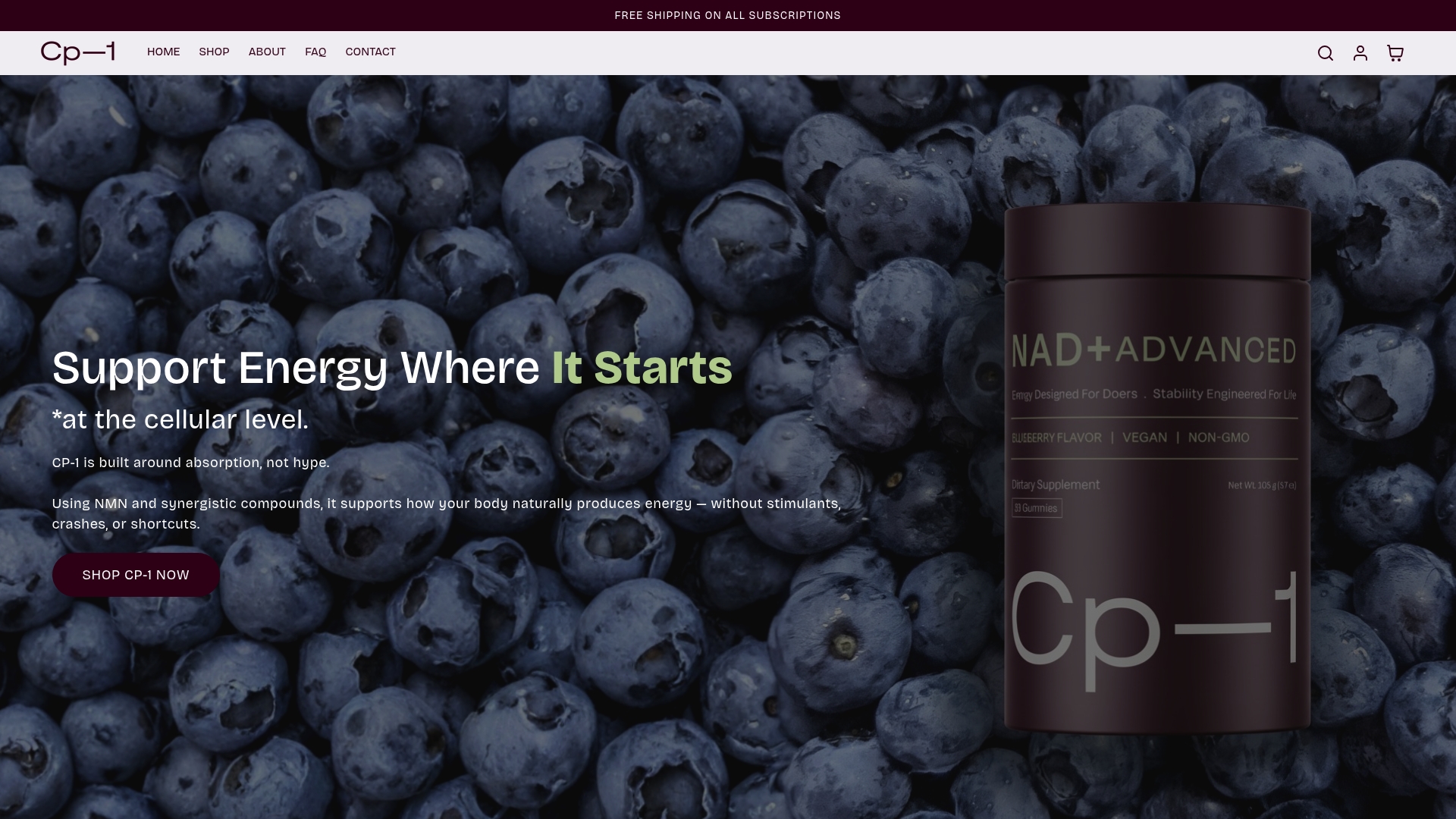
If you want to see the full ingredient panel, current COAs, and product details, visit Cp-1’s product page directly. As with any supplement, Cp-1 works best alongside a real diet and exercise plan, and it is not a substitute for clinician-managed weight loss if that is what your situation calls for.
Useful sources and further reading
- NIH Office of Dietary Supplements: Weight Loss Supplements Fact Sheet — Primary authority on supplement evidence, safety, and regulatory context
- PMC: Stimulant-Free Dietary Supplement RCT (glucomannan, chitosan, fenugreek, Gymnema) — The key randomized trial showing 2.3 kg loss over six weeks with a stimulant-free fiber blend
- BarBend: Best Non-Stim Fat Burners — Editorial roundup covering mechanisms, ingredient reasoning, and product selection criteria
- dietarysupplement.ai: Best Appetite Suppressants — Covers fiber-based suppressants and the decaffeinated green tea extract issue
- Medical News Today: Natural Fat Burners — Overview of natural options and the primacy of diet and exercise for fat loss
- The Peptide Guide: Best GLP-1 for Weight Loss — Clinician-oriented guidance on prescription non-stimulant weight-loss approaches