
Medicinal mushrooms are defined by their ability to modulate immune function, support cognitive health, and sustain natural energy through specific bioactive compounds like beta-glucans, erinacines, and triterpenoids. The role of mushrooms in wellness goes far beyond nutrition. These fungi contain compounds that interact directly with immune receptors, cross the blood-brain barrier, and feed the gut microbiome in ways that most foods simply cannot. Research published in 2026 continues to validate species-specific effects, making it possible to choose mushrooms based on targeted health goals rather than vague “superfood” claims.
How do mushrooms support immune health?
Mushrooms fine-tune immune responses rather than simply switching them on. Their beta-glucans interact with Dectin-1, an immune cell receptor that helps the body distinguish between healthy tissue and harmful invaders. That precision matters. An overactive immune system causes inflammation and autoimmune problems, while an underactive one leaves you vulnerable to infection. Mushrooms help calibrate that balance.
Different species target different parts of the immune system, and that specificity is worth understanding.
- Shiitake: Consuming 5–10 grams daily for 4 weeks measurably improves immune markers in adults, including Natural Killer cell activity. That is a clinically meaningful dose, not a trace amount.
- Turkey Tail: Its extract increases Bifidobacterium and Lactobacillus in the gut. These beneficial bacteria directly influence systemic immunity through the gut-immune axis.
- Reishi: Its triterpenoids reduce systemic inflammation, which supports long-term immune resilience rather than short-term spikes.
The gut connection is not a side note. Mushrooms’ prebiotic fibers, beta-glucans and chitin, feed beneficial gut bacteria, which then regulate immune signaling throughout the body. The gut-immune axis is the foundational mechanism behind many of the wellness benefits fungi provide.
Pro Tip: Pair shiitake with turkey tail in your weekly meals or supplement routine. You get Natural Killer cell support from one and gut microbiome reinforcement from the other, covering two distinct immune pathways at once.
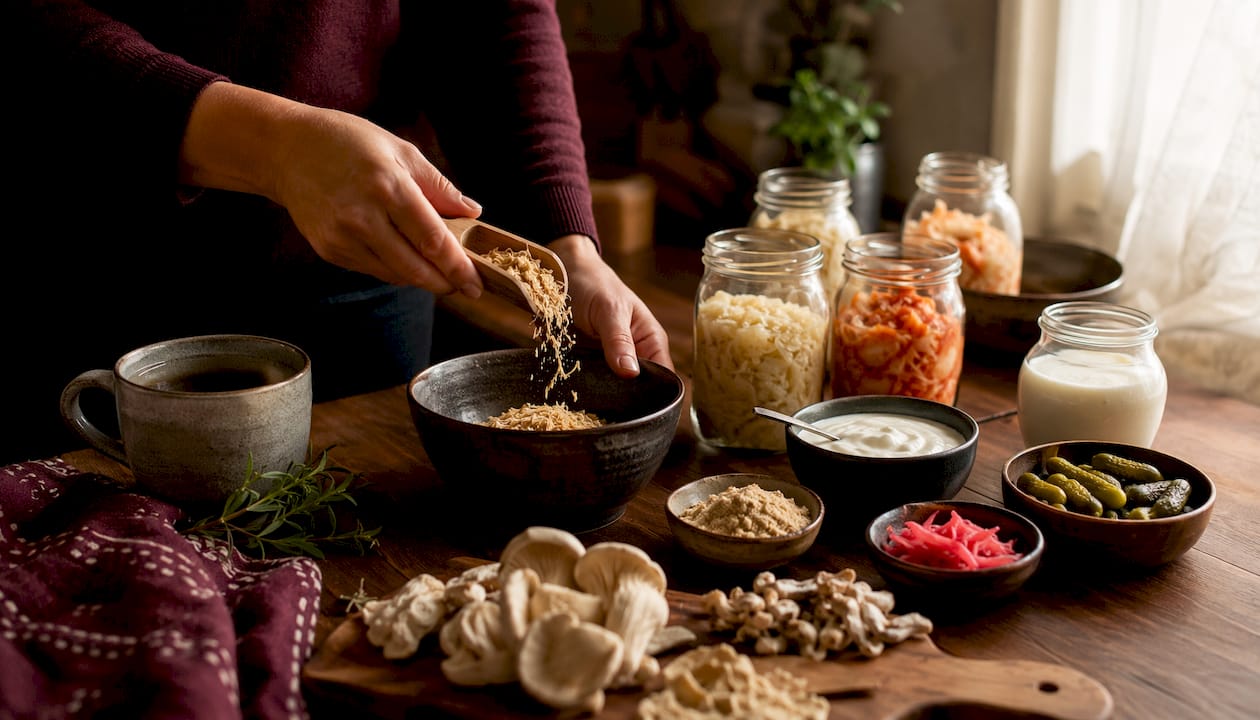
Consistency matters more than quantity here. Infrequent consumption is unlikely to produce measurable systemic effects. Daily or near-daily intake is what the clinical evidence supports.
What cognitive benefits do medicinal mushrooms provide?
Lion’s Mane is the most studied mushroom for brain health, and its mechanism is specific. Its compounds, hericenones and erinacines, cross the blood-brain barrier and stimulate the production of nerve growth factor (NGF). NGF is a protein the brain needs to maintain and repair neurons. Most dietary compounds never reach the brain in meaningful concentrations. Lion’s Mane does.
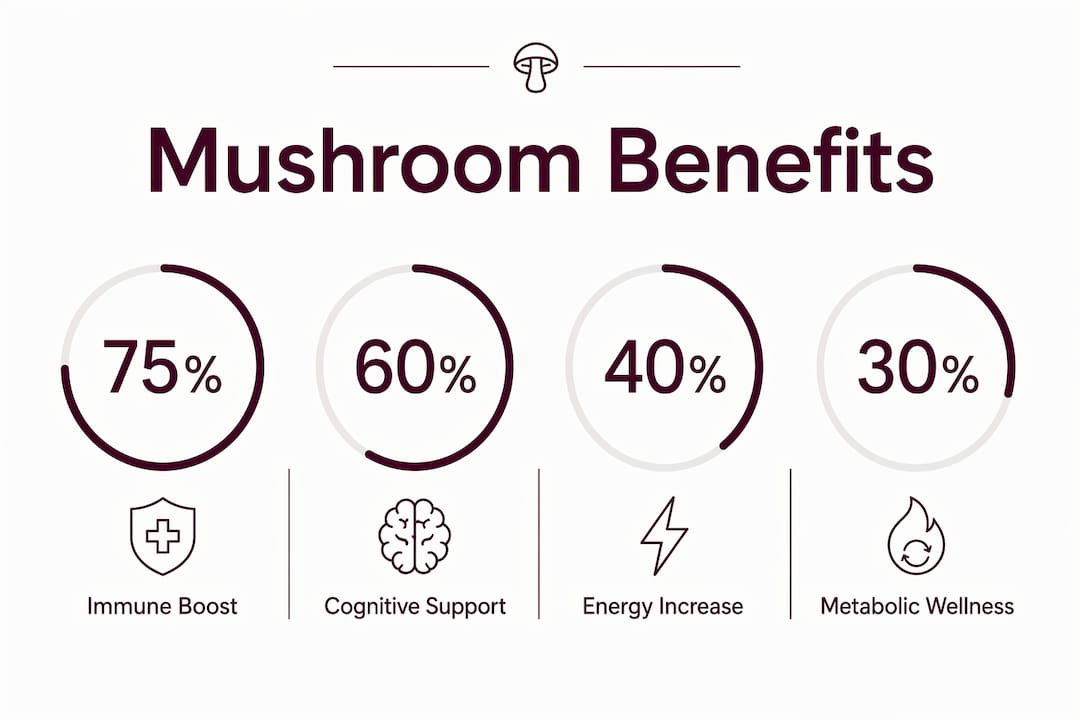
The practical implications are real. Studies show improvements in memory, learning speed, and daily cognitive functioning with regular Lion’s Mane intake. Researchers are also investigating its potential role as an adjunctive support in neurodegenerative conditions, where NGF production tends to decline. That research is still developing, but the neuronal repair mechanism is well-established.
Here is what the evidence shows about cognitive benefits from Lion’s Mane:
- NGF stimulation: Erinacines are the primary driver. They are found in the mycelium (root structure) of the mushroom, not the fruiting body most people eat.
- Memory and learning: Human trials show improvements in cognitive test scores with consistent supplementation over 8–12 weeks.
- Neuroprotection: NGF supports the survival of existing neurons, not just the growth of new ones. That makes it relevant for long-term brain maintenance, not just short-term focus.
- Form matters: Cognitive benefits are stronger with extracts than with culinary mushrooms. Cooking reduces bioactive compound concentration, and the amounts in a typical meal are unlikely to reach therapeutic levels.
Pro Tip: If cognitive support is your goal, look for a Lion’s Mane extract standardized to its erinacine or hericenone content. A product that lists “Lion’s Mane powder” without specifying the extract ratio is probably not delivering what the research supports.
The difference between culinary and extract forms is not minor. For targeted cognitive effects, standardized extracts outperform raw mushrooms in every clinical comparison. That is a fact the supplement industry often glosses over.
How do mushrooms contribute to natural energy and metabolic wellness?
Mushrooms support energy production through two distinct pathways: nutritional and bioactive. On the nutritional side, they contain B vitamins, including B2 (riboflavin), B3 (niacin), and B5 (pantothenic acid), which are direct cofactors in cellular energy metabolism. Without adequate B vitamins, mitochondria cannot efficiently convert food into ATP, the body’s actual fuel.
The bioactive pathway works differently. Triterpenoids found in reishi and other species help regulate blood sugar by supporting insulin sensitivity. Stable blood sugar means fewer energy crashes and more consistent output throughout the day. That is a different mechanism than caffeine, and it does not come with the same rebound effect.
Key metabolic benefits from regular mushroom intake include:
- Anti-inflammatory effects: Triterpenoids reduce systemic inflammation, which is a known driver of fatigue, weight gain, and cardiovascular strain.
- Vitamin D synthesis: Mushrooms are a natural plant-based source of Vitamin D when exposed to UV light. Vitamin D supports muscle function and physical energy, particularly in low-sunlight environments.
- Blood sugar balance: Beta-glucans slow glucose absorption, which reduces post-meal energy dips.
Vitamin D from mushrooms is worth taking seriously. Most plant foods contain no Vitamin D at all. Mushrooms are the exception, and UV-exposed mushrooms can provide a meaningful contribution to daily intake. You can also find mushroom tea options that deliver these bioactive compounds in a different format, with mushroom tea benefits covering blood sugar regulation and anti-inflammatory effects through the same core compounds.
What are the practical ways to incorporate mushrooms into a wellness routine?
Start with species selection. Among roughly 1,600 mushroom species, only about 100 are safe and edible. Buying from reputable sources eliminates the misidentification risk that makes foraging dangerous for most people. Stick to commercially cultivated or certified wild-harvested mushrooms.
The choice between culinary mushrooms and supplements depends on your goal.
- For general nutrition: Shiitake, maitake, and oyster mushrooms cooked into meals provide B vitamins, minerals, and moderate amounts of beta-glucans. Aim for 5–10 grams of dried mushroom equivalent daily for immune benefits.
- For cognitive support: Use a Lion’s Mane extract, not the whole mushroom. The erinacine content in culinary preparations is too low to reliably stimulate NGF at therapeutic levels.
- For gut and immune health: Turkey Tail extract or a multi-mushroom formula that includes Turkey Tail provides the prebiotic fiber and polysaccharide content that supports the gut-immune axis. Cp-1’s formulation includes Turkey Tail extract alongside Lion’s Mane and Reishi for this reason.
- For energy and metabolic support: Reishi and Cordyceps are the most studied species for energy metabolism and stress resilience. Look for standardized extracts rather than whole mushroom powder.
Pro Tip: Place your mushrooms gill-side up in direct sunlight for 15–30 minutes before cooking. UV exposure triggers Vitamin D synthesis in the mushroom’s tissue, converting ergosterol into Vitamin D2. A single sun-exposed portobello can provide a significant portion of your daily Vitamin D needs.
The immune-supporting aspects of mushroom-based wellness routines extend beyond supplements. Teas containing beta-glucans and triterpenoids offer a lower-concentration but consistent daily intake option that works well alongside a more targeted supplement protocol.
Choosing the right form matters as much as choosing the right species. Raw culinary mushrooms, dried powders, and standardized extracts each deliver different concentrations of active compounds. For anyone serious about functional mushroom benefits, extracts are the most reliable delivery method.
Key Takeaways
Medicinal mushrooms deliver measurable wellness benefits through species-specific bioactive compounds, and consistency of intake determines whether those benefits are real or theoretical.
| Point | Details |
|---|---|
| Species specificity matters | Choose mushrooms based on targeted goals: Lion’s Mane for cognition, Turkey Tail for gut immunity, Shiitake for immune markers. |
| Extracts outperform culinary forms | Standardized extracts deliver therapeutic concentrations of erinacines and beta-glucans that cooking cannot reliably preserve. |
| Gut health is the core mechanism | Beta-glucans and chitin feed beneficial gut bacteria, which regulate systemic immunity and reduce inflammation throughout the body. |
| Consistency drives results | Daily intake of 5–10 grams of shiitake for at least 4 weeks is required to see measurable immune improvements. |
| Vitamin D is a real bonus | UV-exposed mushrooms synthesize Vitamin D2, making them one of the few plant-based sources of this critical nutrient. |
Why I stopped treating mushrooms as a trend
I spent years watching the supplement industry slap “mushroom complex” on labels without specifying which species, what extraction method, or what concentration of active compounds was actually inside. That is not a wellness product. That is a marketing decision dressed up as science.
What changed my thinking was digging into the mechanism research. When you understand that erinacines physically cross the blood-brain barrier and trigger NGF production, or that Turkey Tail’s polysaccharides measurably shift the gut microbiome toward Bifidobacterium, mushrooms stop being a trend and start being a tool. A specific tool with specific applications.
The honest reality is that benefits come through the gut and immune system first. Most people expecting an immediate cognitive lift from a single dose of Lion’s Mane will be disappointed. The effects are cumulative and mediated through biological systems that take weeks to shift. That is not a weakness. That is how real physiological change works.
My advice: pick one or two species based on your actual health priority, use a quality extract, and give it 8 weeks before you evaluate. The evidence-based approach to immune supplements applies equally to mushrooms. Patience and consistency beat high doses and short experiments every time.
— Hugo
What Cp-1 offers for mushroom-based wellness
Cp-1 was built on the frustration of finding supplements that look good on paper but deliver nothing in practice. The CP-1 formula includes Lion’s Mane extract, Reishi extract, and Turkey Tail extract alongside NMN and CoQ10, targeting cognitive clarity, immune support, and cellular energy in a single daily supplement.
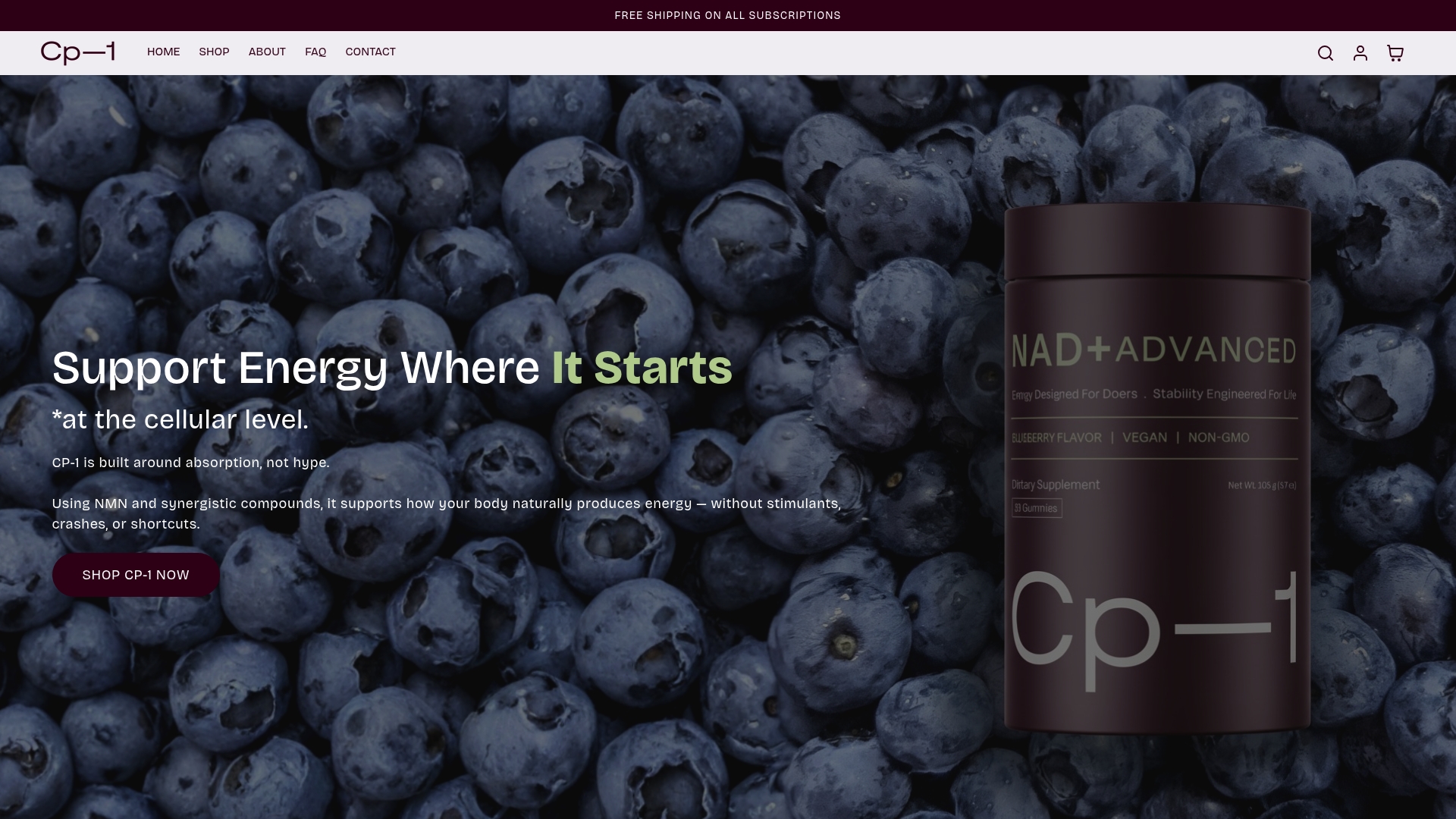
Every ingredient in CP-1’s formulation is third-party tested, vegan, non-GMO, and manufactured in the US. The mushroom extracts are standardized, not whole-powder fillers. If you have read this far and want to put the science into practice, CP-1 is where the research meets a product you can actually trust.
FAQ
What is the role of mushrooms in wellness?
Mushrooms support wellness through bioactive compounds like beta-glucans, erinacines, and triterpenoids that modulate immune function, stimulate nerve growth factor in the brain, and support energy metabolism. Their prebiotic fibers also feed beneficial gut bacteria, which regulate systemic immunity and inflammation.
Are mushrooms good for immunity?
Yes. Beta-glucans in mushrooms interact with immune receptors like Dectin-1 to fine-tune immune responses. Consuming 5–10 grams of shiitake daily for 4 weeks has been shown to improve measurable immune markers in adults.
What mushroom is best for brain health?
Lion’s Mane is the most researched mushroom for cognitive support. Its compounds, hericenones and erinacines, cross the blood-brain barrier and stimulate nerve growth factor production, which supports neuronal repair and memory function.
Do mushroom extracts work better than whole mushrooms?
For targeted wellness goals like cognitive support or immune modulation, standardized extracts deliver higher concentrations of active compounds than culinary preparations. Cooking reduces bioactive content, making extracts the more reliable option for measurable effects.
How do I add medicinal mushrooms to my routine safely?
Buy from reputable commercial sources to avoid misidentification risks, since only about 100 of the roughly 1,600 known mushroom species are safe and edible. For therapeutic effects, use standardized extracts and maintain consistent daily intake for at least 4–8 weeks.