
Both forms of CoQ10 work in your body. Ubiquinone is the oxidized form, ubiquinol is the reduced form, and your cells convert one into the other constantly. But if you’re standing in a supplement aisle trying to decide, here’s the honest answer: ubiquinone has the stronger clinical mortality evidence, while ubiquinol’s theoretical absorption edge often gets erased by poor formulation and gastric instability.
A systematic review comparing the two forms found that ubiquinone trials documented reductions in cardiovascular mortality among heart failure patients. Ubiquinol trials, which are fewer in number and often used higher doses, haven’t shown that same mortality benefit yet.
Here’s what actually matters when you’re choosing:
- Both ubiquinone and ubiquinol are bioactive, and your body interconverts them continuously.
- Ubiquinone carries the deeper, longer clinical trial record for heart health outcomes.
- Ubiquinol can hit higher plasma levels in some studies, which may matter for older adults or people with absorption issues, but formulation quality usually matters more than which form you buy.
- If you’re on statins or have a diagnosed heart condition, talk to your clinician about dose and form before you buy anything.
Pro Tip: Skip the marketing copy and check the label for formulation details first. A well-processed ubiquinone softgel taken with food often outperforms a cheap ubiquinol capsule.
Key Takeaways
Ubiquinone carries the stronger long-term cardiovascular mortality evidence, while ubiquinol’s absorption edge depends heavily on formulation quality and rarely outweighs price and stability trade-offs for most healthy adults.
| Point | Details |
|---|---|
| Ubiquinone leads on evidence | Long-term trials like KISEL-10 link ubiquinone to reduced cardiovascular mortality; ubiquinol lacks matching data. |
| Formulation beats form | Solubilized ubiquinone can match or exceed standard ubiquinol softgels in plasma absorption studies. |
| Take it with fat | CoQ10 is fat-soluble, so pairing any form with a meal containing fat improves uptake. |
| Statin users need guidance | CoQ10 may ease statin-associated muscle symptoms, but check with a clinician before combining them. |
| CP-1 aligns with quality checkpoints | CP-1’s chewable gummy includes third-party tested, GMP-certified CoQ10 alongside NMN and adaptogenic mushrooms for daily energy support. |
This article is general information, not a substitute for advice from a qualified doctor. Consult a qualified healthcare professional about your own circumstances before acting on anything here.
Table of Contents
- Ubiquinol vs Ubiquinone: A Side-By-Side Comparison
- Why Both Forms Matter: The CoQ10 Redox Cycle Explained
- Does Formulation Matter More Than the Form You Buy?
- What Do Clinical Trials Actually Show About CoQ10?
- How Much CoQ10 Should You Take, and In What Form?
- Are There Side Effects or Drug Interactions With CoQ10?
- What Should You Check on a CoQ10 Label Before Buying?
- Which Form Should You Actually Buy?
- What Actually Matters More Than the Form You Choose
- Where CP-1 Fits Into an Evidence-Based CoQ10 Choice
- Sources
Ubiquinol vs Ubiquinone: A Side-By-Side Comparison
I’ve spent enough time reading CoQ10 label copy to know that most of it is designed to make you feel like you’re missing out if you don’t buy the “advanced” form. That’s frustrating, because the actual research tells a more balanced story. Here’s how the two forms stack up on the criteria that matter when you’re spending real money on a supplement.
| Criteria | Ubiquinone | Ubiquinol |
|---|---|---|
| Stability | Highly shelf-stable; withstands heat and light well | Less stable; oxidizes readily unless specially formulated |
| Cost | Lower cost per mg | Typically more expensive per mg |
| Bioavailability (typical) | Comparable to ubiquinol when solubilized or oil-based | Sometimes higher in raw form, but results are inconsistent across studies |
| Clinical evidence (volume/strength) | Extensive; includes long-term cardiovascular mortality data | Limited; fewer large trials, mostly at higher doses |
| Typical studied dose | 100–300 mg/day | 300–600 mg/day |
| Best for | Budget-conscious adults, general wellness, statin users with clinician guidance | Older adults with suspected conversion issues, those with severe malabsorption |
The stability gap is bigger than most shoppers realize. Ubiquinone is chemically tough. It sits on a shelf without much degradation, which is part of why it’s been the default form in supplements for decades. Ubiquinol, by contrast, is prone to oxidizing back into ubiquinone unless the manufacturer uses specialized packaging or stabilizing carriers, and that instability shows up again once it hits your stomach.
Cost follows a predictable pattern: ubiquinol supplements almost always cost more per milligram than ubiquinone. That premium is often justified by absorption claims, but bioavailability research on formulation shows that solubilized or crystal-modified ubiquinone formulations can reach plasma levels as high as, or higher than, standard ubiquinol softgels. You’re not automatically buying better absorption when you pay more.
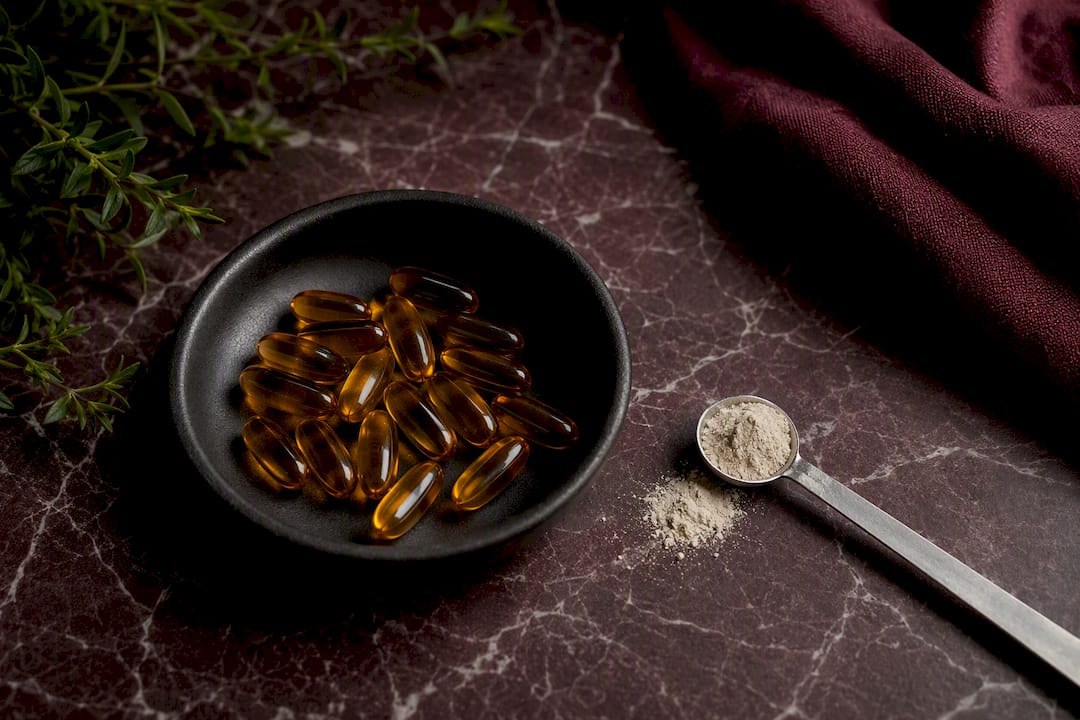
On the evidence side, the imbalance is stark. One comparison identified 238 ubiquinone trials versus only 35 ubiquinol trials, and the ubiquinone studies are the ones tied to reduced cardiovascular death in heart failure populations. That’s not a small sample-size quirk. It’s decades of accumulated clinical data.
A few practical distinctions worth remembering:
- If you’re healthy and just want general mitochondrial support, ubiquinone at a modest dose with food covers most of what you need.
- If you’re over 60 or have a diagnosed absorption problem, ubiquinol becomes more defensible, provided the formulation is actually good.
- If you’re managing a serious cardiac condition, the form matters less than working with your clinician on a dose that matches what was actually studied.
Why Both Forms Matter: The CoQ10 Redox Cycle Explained
CoQ10 does its main job inside the mitochondria, where it acts as an electron carrier in the chain that produces ATP, the energy currency your cells run on. Without CoQ10 shuttling electrons through that chain, energy production slows down. This isn’t a niche biochemistry detail. It’s the entire reason CoQ10 supplements exist in the first place.
Here’s the part most marketing skips: ubiquinone and ubiquinol aren’t two separate ingredients competing for your loyalty. They’re the same molecule in two different electrical states, and your body flips between them constantly. A detailed review of the ubiquinone–ubiquinol redox cycle describes this interconversion happening within mitochondria on an ongoing basis, not as a one-time event after you swallow a capsule.
Ubiquinol is the predominant form circulating in healthy blood, largely because your body reduces most ingested ubiquinone into ubiquinol shortly after absorption. That’s a key point people miss: even if you take a ubiquinone capsule, much of what ends up in your bloodstream is ubiquinol anyway. The conversion machinery does the work for you.
The two forms do carry slightly different functional emphasis. Ubiquinol acts primarily as an antioxidant, neutralizing free radicals in cell membranes and lipoproteins. Ubiquinone’s defining role is electron transfer in the mitochondrial energy chain. But because the body cycles between them thousands of times over the course of a day, the clinical significance of that distinction is smaller than most product pages suggest.
- CoQ10 supports ATP production by ferrying electrons through the mitochondrial electron transport chain.
- Ubiquinone and ubiquinol convert back and forth continuously, so ingesting one form doesn’t lock in its function.
- Ubiquinol leans toward antioxidant activity; ubiquinone leans toward electron transport, though both roles overlap in practice.
Pro Tip: Don’t let a brand convince you that only one form is “the active one.” Your mitochondria treat both as part of the same working system, cycling between them as needed.
The takeaway here isn’t complicated. Your body’s own redox cycling reduces how much it actually matters, for most healthy people, which fixed form you swallow. What matters more is whether the capsule you bought actually gets absorbed in the first place, which brings us to formulation.
Does Formulation Matter More Than the Form You Buy?
Formulation usually beats form. That’s the single most underappreciated fact in the entire ubiquinol vs ubiquinone debate, and it’s the reason so many head-to-head comparisons produce inconsistent results.
Randomized bioavailability trials on CoQ10 formulation show that solubilized or crystal-modified ubiquinone can match or exceed the plasma levels achieved by standard oil-based ubiquinol softgels. The raw chemistry of “reduced versus oxidized” turns out to matter less than how finely the manufacturer processed the CoQ10 particles and what carrier they used to get it into your bloodstream.
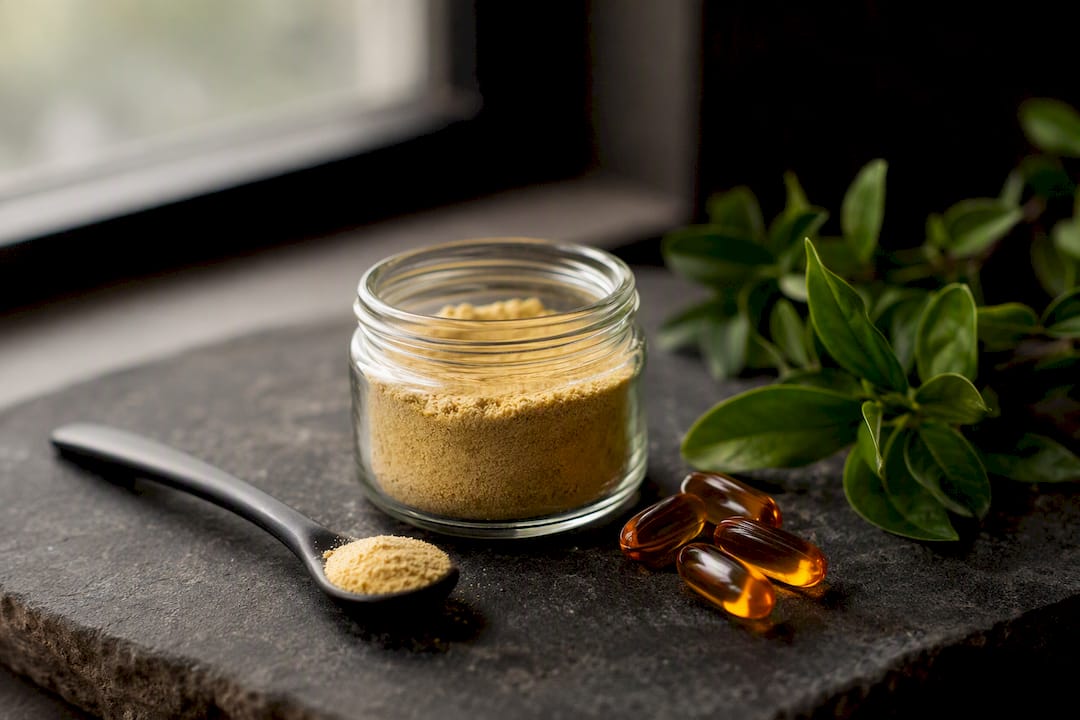
There’s also a mechanical problem working against ubiquinol specifically. Research on ubiquinol’s gastrointestinal stability shows it can oxidize back into ubiquinone under typical stomach conditions before it’s even absorbed. That’s a real practical wrinkle: you might buy a bottle labeled “ubiquinol” and have a meaningful portion of it convert back to ubiquinone before it crosses into your bloodstream anyway.
Here’s how to put that evidence to work when you’re actually shopping:
- Prioritize solubilized or lipid-carrier formulations. Look for language like “solubilized,” “self-emulsifying,” or “crystal-reduced particle size” on the label. These processing methods consistently show better plasma uptake in trials than plain crystalline powder in a dry capsule.
- Take it with a fatty meal. CoQ10 is fat-soluble, and pairing your dose with dietary fat improves uptake regardless of which form you’re taking. Skipping this step can undercut even a well-formulated product.
- Choose softgels or emulsions over dry tablets. Oil-based softgel capsules generally outperform compressed tablets because the CoQ10 is already suspended in a fat carrier when you swallow it, which shortens the gap between ingestion and absorption.
- Read past the “ubiquinol” label claim. A ubiquinol product with no formulation detail listed isn’t automatically better than a well-processed ubiquinone product. Ask what’s actually different about how it was made, not just what oxidation state it starts in.
One practical way to think about this: two bottles can both say “200 mg CoQ10” on the front, and still deliver wildly different amounts into your blood, because the manufacturing process behind each one is invisible unless you know what terms to look for. If you want a deeper walkthrough of how carrier lipids and meal timing affect uptake generally, this guide to optimizing supplement absorption breaks down the mechanics in plain terms.
The practical upshot: don’t pay a premium for the word “ubiquinol” on a label without checking whether the formulation behind it actually supports better absorption. A cheaper, well-processed ubiquinone product frequently gets you further.
What Do Clinical Trials Actually Show About CoQ10?
The clinical evidence for CoQ10 isn’t thin, but it’s lopsided, and that lopsidedness should shape your decision more than any single ad you’ve seen.
The two heavyweight trials in this space are Q-SYMBIO and KISEL-10, both built around ubiquinone. KISEL-10 combined 200 mg/day of CoQ10 with selenium and tracked outcomes over 10 to 12 years, reporting reduced cardiovascular mortality in that long-term follow-up. Q-SYMBIO, a separate landmark trial in heart failure patients, tracked improvements tied to lower hospitalization rates and better NYHA functional class scores in patients supplementing with ubiquinone alongside standard heart failure treatment.
That’s the kind of evidence that changes clinical guidelines: long follow-up periods, hard mortality endpoints, and consistent results across independent research groups. The broader systematic review comparing both forms counted 238 ubiquinone trials against just 35 ubiquinol trials, and it’s the ubiquinone-based studies that show the mortality reductions in heart failure populations.
Ubiquinol trials tell a different story, not because ubiquinol failed, but because there are fewer of them, they tend to be smaller, and they often use considerably higher doses than the ubiquinone trials that established the strongest outcomes. Higher-dose ubiquinol studies haven’t yet produced the same reduced cardiovascular mortality signal that the ubiquinone trials did.
The strongest, longest-running cardiovascular outcome data for CoQ10 supplementation comes from ubiquinone trials at comparatively modest doses. Ubiquinol’s evidence base, while real, remains smaller, newer, and has not yet replicated that mortality benefit at the doses studied.
CoQ10’s clinical relevance isn’t limited to heart failure. Trials on migraine prevention and dosing commonly use 100 to 300 mg/day, taken with a meal containing fat, and report meaningful reductions in migraine frequency. There’s also a body of research on statin-associated muscle symptoms, where CoQ10 supplementation has shown promise in easing muscle pain and weakness that some patients experience on statin therapy, likely because statins inhibit part of the same pathway your body uses to synthesize CoQ10 naturally.
A few things to keep in mind before you treat any of this as a blanket recommendation:
- Trial formulations vary widely, so results from one branded product don’t automatically generalize to every bottle on a shelf.
- Dose ranges differ significantly between studies, which makes direct head-to-head comparisons between ubiquinone and ubiquinol trials harder than they first appear.
- Anyone managing serious cardiac disease should treat CoQ10 as an adjunct, not a replacement for prescribed heart failure medication, and should loop in a cardiologist before adjusting doses.
If you want a deeper look at how CoQ10 supports energy production and where the evidence is strongest, this breakdown of CoQ10 for energy covers the cardiovascular angle in more depth.
How Much CoQ10 Should You Take, and In What Form?
Dosing is where most of the theory turns into a decision you can actually act on, and the trial data gives you real numbers to work from instead of guesswork.
Ubiquinone trials that produced the strongest cardiovascular outcomes commonly used doses in the 100 to 300 mg/day range, including the 200 mg/day dose used in KISEL-10’s long-term cardiovascular follow-up. Ubiquinol trials, by contrast, have often used higher doses without yet matching the mortality data from the lower-dose ubiquinone trials.
Here’s a simple way to think through your own dose:
- General maintenance and energy support: 100 to 200 mg/day of a well-formulated CoQ10 product, taken with food, matches what most wellness-focused trials have used.
- Statin users concerned about muscle symptoms: Discuss a dose in the 100 to 300 mg/day range with your clinician, since this aligns with the doses studied for statin-associated muscle symptoms.
- Diagnosed heart failure or cardiac risk: Doses used in the major cardiology trials ran from 200 mg/day upward, always as an adjunct to prescribed treatment, never a substitute for it.
- Suspected absorption or conversion issues (often age-related): Consider ubiquinol from a well-formulated, tested product, since the body’s ability to convert ubiquinone into ubiquinol may decline somewhat with age.
Pro Tip: If you’re not sure whether your CoQ10 is being absorbed, don’t chase the fanciest label. Track how you feel over four to six weeks of consistent daily use with food, since that’s roughly the window most trials use to detect a measurable effect.
For a full breakdown of how dose should shift based on your specific health goal, this dosing guide walks through the numbers in more detail. And if age-related energy decline is part of why you’re researching this in the first place, this protocol on age-related energy decline covers what’s actually changing in your metabolism over time.
Are There Side Effects or Drug Interactions With CoQ10?
CoQ10 has a strong safety record across both forms. Large-scale ubiquinone trials report good overall tolerability, with side effects that are typically mild and gastrointestinal, things like stomach upset, nausea, or appetite changes rather than anything serious.
The interaction that deserves real attention is with statins. Statins work partly by inhibiting a pathway your body also uses to produce CoQ10 naturally, which is one theory behind why some statin users experience muscle aches and weakness. Evidence suggests CoQ10 supplementation may ease statin-associated muscle symptoms in some patients, which is exactly why talking to your clinician before combining the two makes sense rather than optional.
A few other things worth flagging:
- Anticoagulants: CoQ10 has a chemical structure related to vitamin K, and there’s a theoretical concern it could reduce the effectiveness of blood thinners like warfarin. If you’re on an anticoagulant, check with your prescriber first.
- Blood pressure medication: CoQ10 may have a mild blood-pressure-lowering effect on its own, so combining it with antihypertensive drugs deserves a conversation with your doctor rather than a guess.
- Pregnancy and breastfeeding: Safety data in these populations is limited, so default to caution and clinician guidance rather than self-directing a dose.
- When to stop: If you notice persistent GI discomfort, unusual bruising, or any symptom that feels off after starting CoQ10, stop and check in with a healthcare provider rather than pushing through it.
None of this makes CoQ10 a risky supplement. It just makes it one worth taking seriously, especially if you’re already on other medications.
What Should You Check on a CoQ10 Label Before Buying?
Most of the CoQ10 industry sells you a story instead of a spec sheet, and that’s exactly the kind of thing that got me interested in formulation transparency in the first place. If a brand won’t tell you how the product is made, that silence is telling you something.
Here’s what actually separates a trustworthy CoQ10 product from a garbage one wrapped in a slick label:
- Third-party testing: An independent lab should be verifying potency and purity, not just the manufacturer’s own internal claims.
- GMP certification: Good Manufacturing Practice certification means the facility follows consistent, audited production standards, not a one-off batch made under loose conditions.
- US-based manufacturing: Domestic production generally means tighter oversight and easier accountability if something goes wrong.
- Vegan and non-GMO certification: These matter for ingredient sourcing transparency, not as a marketing sticker.
- Batch-level certificates of analysis (COAs): A real COA lets you verify what’s actually in the bottle you bought, not just what the label promises.
- Clear formulation notes: Terms like “solubilized” or details about the carrier lipid used tell you whether the manufacturer actually engineered the product for absorption, rather than just filling a capsule with raw powder.
CP-1 builds its CoQ10-containing formula around these exact checkpoints: third-party testing, GMP-certified production, and non-GMO, vegan-friendly sourcing, all made in the US. If you want to verify any of these claims yourself, checking a brand’s COA before you buy is one of the simplest habits that separates informed supplement shoppers from everyone else. Understanding what supplement quality actually means is a useful next step if label-reading is new territory for you.
| Point | Details |
|---|---|
| Formulation over form | Solubilized ubiquinone can match or beat standard ubiquinol softgels in plasma uptake. |
| Third-party testing matters | A verified COA confirms what’s actually in the capsule, not just what’s printed on the label. |
| GMP and sourcing signal reliability | US manufacturing plus GMP certification indicates consistent, audited production standards. |
| Transparency beats marketing claims | Brands willing to detail carrier lipids and processing methods are more trustworthy than vague “advanced formula” language. |
Which Form Should You Actually Buy?
The right answer depends on who you are, not which brand has the bigger marketing budget.
Budget-conscious healthy adult: Choose a well-formulated ubiquinone softgel in the 100 to 200 mg range, taken with a meal that has some fat in it. This matches the dosing used in the trials with the deepest evidence base, and it costs less per milligram than the ubiquinol alternative.
Older adult or suspected conversion issue: Ubiquinol becomes a more reasonable choice here, since your body’s natural ubiquinone-to-ubiquinol conversion may become less efficient with age. Just make sure the formulation is genuinely well-processed, not simply expensive.
Cardiac patient or statin user: This is not a decision to make alone in a supplement aisle. Bring the ubiquinone dosing used in cardiology trials to your clinician and let them guide the specific dose and monitoring plan based on your medications and condition.
Before you check out, run through this quick label checklist:
- Does the label specify a formulation method (solubilized, self-emulsifying, crystal-reduced)?
- Is there a real dose per capsule, not a vague “proprietary blend”?
- Can you find or request a batch COA from the brand?
- Is the manufacturing GMP-certified and clearly sourced?
Pro Tip: If two products list the same milligram dose but one costs three times as much, ask what specific formulation work justifies that gap. If the brand can’t answer clearly, that’s your answer.
What Actually Matters More Than the Form You Choose
Here’s where I land after going through the trial data: the ubiquinol versus ubiquinone debate has been oversold as a binary choice, when the real lever is formulation quality and dose, not oxidation state.
The conventional advice, buy ubiquinol because it’s “more absorbable,” skips over two inconvenient facts. Ubiquinol can oxidize back into ubiquinone in the stomach before it’s absorbed, and well-processed ubiquinone formulations routinely match ubiquinol’s plasma performance in head-to-head trials. Meanwhile, the deepest, longest cardiovascular outcome data we have, the kind tied to actual reduced mortality, comes from ubiquinone studies, not ubiquinol ones.
That doesn’t mean ubiquinol is worthless. It means the premium only makes sense in specific situations, older age, documented absorption problems, and only when the formulation itself has been tested, not assumed. For most people asking “which CoQ10 is better,” the honest answer is: the one that’s actually been manufactured well, dosed appropriately, and taken with food. Chase the process, not the label buzzword.
— Hugo
Where CP-1 Fits Into an Evidence-Based CoQ10 Choice
If everything above tells you formulation and manufacturing quality matter more than which oxidation state is printed on the bottle, that’s exactly the standard CP-1 was built around. CP-1’s NAD+ Advanced Supplement includes CoQ10 alongside NMN, Lion’s Mane, Reishi, and Turkey Tail, manufactured in GMP-certified US facilities with third-party testing and vegan, non-GMO sourcing, the same checkpoints this article just walked you through.
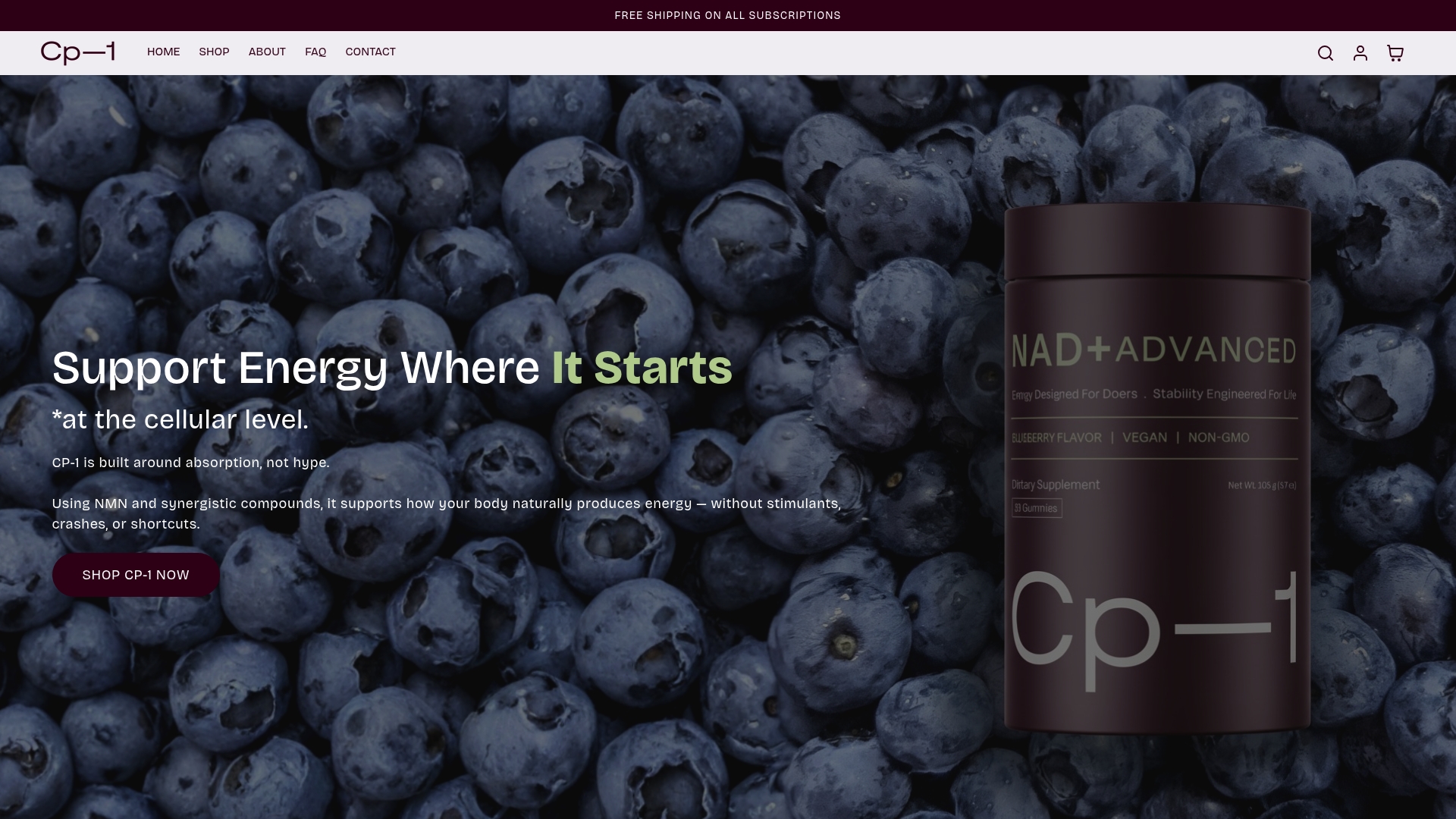
Worth noting honestly: CP-1 comes as a chewable gummy, not a softgel, which makes it a different delivery format than the oil-based capsules discussed earlier in this piece. It’s built for people who want daily mitochondrial and cellular energy support in a format that’s easy to stay consistent with, not as a high-dose clinical intervention for diagnosed heart failure. If your goal is general energy, cognitive clarity, and long-term wellness support rather than managing a cardiac condition, that combination of CoQ10 with NAD+ precursors and adaptogenic mushrooms is worth a closer look. Check the CP-1 product page to review the current formulation, dosing, and lab testing details before you decide.