
CoQ10 has the clearest clinical support as an add-on therapy for heart failure and as a preventive strategy for migraine, with weaker or mixed evidence for most other claimed uses. A 2014 multicenter randomized trial of 420 heart failure patients found that 100 mg taken three times daily, layered on top of standard medication, improved symptoms and cut major cardiovascular events. That finding lines up with guideline-level evidence from the ACC/AHA/HFSA 2022 review, which links supplementation to lower vascular and all-cause mortality at two years.
Migraine prevention is the other place CoQ10 earns real confidence, though Mayo Clinic notes that trials usually need about three months of daily use before benefits show up. Everything past those two conditions gets murkier fast.
CoQ10 is not FDA-approved to treat any disease. It’s sold as a dietary supplement, meant to work alongside standard medical care, not instead of it.
What the evidence supports most strongly:
- Heart failure, as an adjunct to guideline-directed medical therapy
- Migraine prevention, typically after 8 to 12 weeks of consistent use
- Restoring CoQ10 levels depleted by aging or statin use
Where the evidence is weaker or mixed:
- Statin-associated muscle pain
- Blood pressure reduction
- Parkinson’s disease, where NCCIH reports results have been disappointing
Pro Tip: If you’re starting CoQ10 for a specific condition, give it a full 12 weeks before deciding whether it’s working. Judging it at week two is like judging a marathon runner at mile one.
Key Takeaways
CoQ10 works best as a clinically supervised addition for heart failure and migraine prevention, not as a general-purpose energy supplement for healthy adults.
| Point | Details |
|---|---|
| Heart failure has the strongest data | A 420-patient RCT using 100 mg three times daily improved symptoms and reduced major cardiovascular events as an add-on therapy. |
| Migraine prevention takes patience | Benefits typically require about three months of daily use at 100 to 400 mg per day before showing up. |
| Absorption depends on fat and form | CoQ10 is fat-soluble, so taking it with a fatty meal or choosing a lipid-based formulation improves how much your body actually absorbs. |
| Statin-muscle-pain evidence stays mixed | Trials on CoQ10 for statin-associated myalgia produce inconsistent results, so treat it as low-risk rather than proven. |
| Verified potency matters as much as dose | CP-1’s CP-1 NAD+ Advanced Supplement pairs CoQ10 with third-party testing and US-based GMP manufacturing to address the label-accuracy gaps common in this category. |
Table of Contents
- What Does CoQ10 Do? The Mitochondria and Absorption Story
- CoQ10 Benefits by Condition: What the Trials Actually Found
- How Much CoQ10 to Take and When
- Is CoQ10 Safe? Side Effects and Drug Interactions
- Who Actually Benefits Most From CoQ10?
- How CP-1 Approaches CoQ10 Quality and Verified Dosing
- CoQ10 and Exercise: Does It Actually Boost Performance?
- Combining CoQ10 With Other Antioxidants and Supplements
- Long-Term Use: How Long Is It Safe to Take CoQ10?
- What the Research Actually Tells Us to Prioritize
- Where CoQ10 Fits Into a Complete Cellular Energy Strategy
- Sources
What Does CoQ10 Do? The Mitochondria and Absorption Story
CoQ10 does its main work inside the mitochondria, the structures that turn food and oxygen into usable cellular energy. Every cell in your body runs on a molecule called ATP, and CoQ10 is a required cog in the electron transport chain that produces it. Without adequate CoQ10, that chain slows down, and cells that need the most energy (heart muscle, for one) feel it first.
That’s why CoQ10 shows up so often in heart-related research. Cardiac tissue burns through enormous amounts of ATP just to keep beating roughly 100,000 times a day, and it has very little energy reserve to fall back on if something in that production line breaks down.
The antioxidant angle
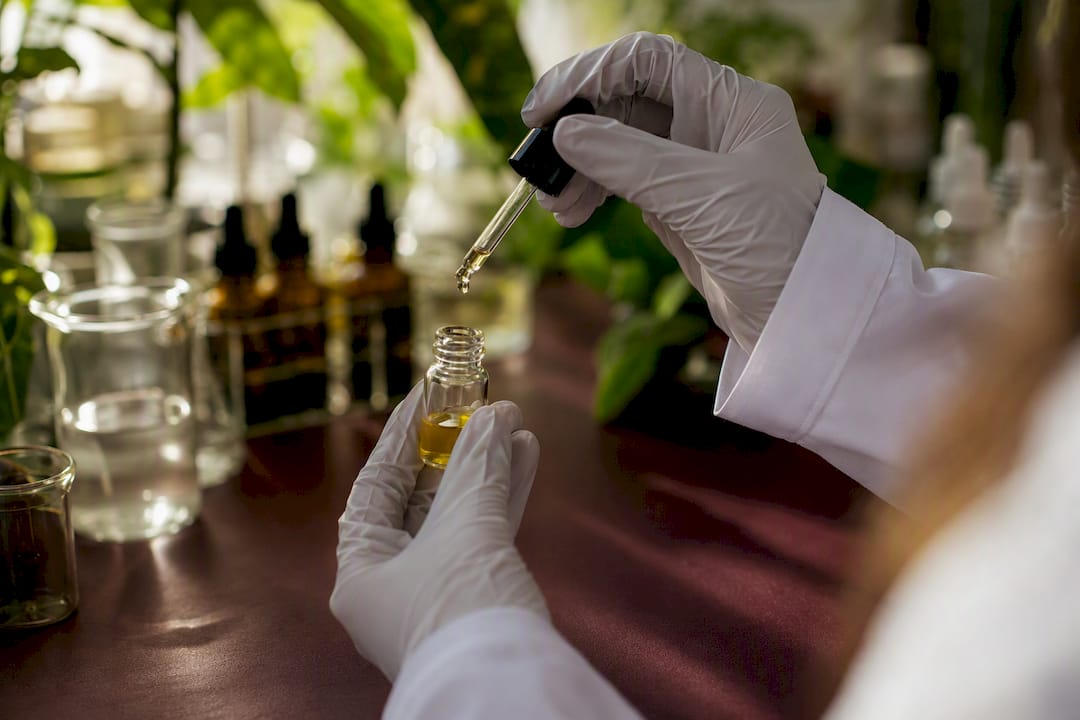
CoQ10 does double duty. Beyond energy production, its reduced form (ubiquinol) acts as a fat-soluble antioxidant, neutralizing free radicals inside cell membranes and mitochondria before they can damage lipids and DNA. Research on CoQ10’s applications beyond cardiovascular disease points to a related benefit: CoQ10 appears to help preserve nitric oxide, the molecule responsible for relaxing and dilating blood vessels. When nitric oxide breaks down too quickly, vessels stiffen and circulation suffers. Protecting it is one plausible reason CoQ10 shows up in research on endothelial function in people with diabetes and high cholesterol, though that evidence remains more suggestive than definitive.
Ubiquinone vs. ubiquinol: does the form matter?
This is where a lot of shoppers get stuck staring at supplement labels. CoQ10 exists in two forms:
- Ubiquinone is the oxidized form. It’s cheaper to manufacture and it’s what most of the large clinical trials, including the 2014 heart failure study, actually used.
- Ubiquinol is the reduced, “active” form. The body converts ubiquinone into ubiquinol to use it, and Mayo Clinic notes that ubiquinol tends to produce higher serum increases per milligram ingested, which may matter more for older adults whose conversion efficiency declines with age.
Here’s the catch: ubiquinone remains the standard in the trials with the strongest heart failure and migraine data. If you want evidence-matched dosing, ubiquinone at trial-tested amounts is the safer bet to follow. If you’re older or have a reason to suspect impaired conversion, ubiquinol is a reasonable substitution, just know you’re extrapolating slightly beyond the exact protocols that produced the strongest results.
Either form runs into the same physical limitation: CoQ10 is fat-soluble, and it does not dissolve well in water. A PMC review on bioavailability and formulations confirms that absorption depends heavily on how the product is formulated and whether you take it with dietary fat. A dry powder capsule swallowed on an empty stomach passes through your gut absorbing only a fraction of its stated dose. That single fact explains more variation in “does CoQ10 work for me” anecdotes than almost anything else people obsess over. For a deeper look at how mitochondria drive overall energy output, our guide to mitochondrial physiology breaks down the full pathway.
CoQ10 Benefits by Condition: What the Trials Actually Found
Evidence quality varies enormously depending on what you’re trying to treat. Some conditions have large, well-designed randomized trials behind them. Others rest on small pilot studies or conflicting meta-analyses that cancel each other out. Sorting the strong signals from the noise matters more than any single statistic.
Heart failure: the strongest case CoQ10 has
The 2014 multicenter RCT remains the anchor study here. Researchers gave 420 heart failure patients 100 mg of CoQ10 three times daily (300 mg total) on top of their existing medications, and compared outcomes against placebo. The supplement group saw fewer major cardiovascular events and improved symptom scores, with a safety profile clean enough that it hasn’t raised red flags in the decade since.
The ACC/AHA/HFSA 2022 guideline-referenced findings go further, associating CoQ10 supplementation with reduced vascular and all-cause mortality and fewer hospital stays at the two-year mark. That’s a meaningful signal for a supplement, though it still describes CoQ10 as an add-on to guideline-directed therapy, never a replacement for it. Heart failure patients considering CoQ10 should be doing so with their cardiologist in the loop, not instead of one.
Migraine prevention: real, but slow
Migraine is the second condition where CoQ10 pulls its weight in the research. Trials have tested doses ranging from 100 to 400 mg per day, and Mayo Clinic’s review confirms that meaningful reduction in migraine frequency typically takes about three months of consistent daily use to show up. That timeline trips up a lot of people who quit after two or three weeks expecting a fast fix.
If you’re trying CoQ10 for migraines, treat the first 12 weeks as an evaluation window, not a verdict. Track headache frequency in a simple log rather than relying on memory, since gradual improvement is easy to miss without a written baseline.
Statin-associated muscle symptoms: the evidence that won’t settle down
This is the use case that generates the most confusion, and for good reason. Statins lower cholesterol partly by blocking the same enzymatic pathway that produces CoQ10 in the body, which gave rise to a popular theory: statin-induced muscle aches (myalgia) happen because statins deplete CoQ10, so supplementing should fix it.
The trial data doesn’t back that up cleanly. NCCIH’s review describes the evidence on statin-associated muscle pain as mixed at best. Some smaller trials show modest symptom improvement, others show none, and the heterogeneity likely comes down to inconsistent dosing, variable trial lengths, and the fact that “statin muscle symptoms” itself is a notoriously subjective and hard-to-diagnose category. If you’re taking a statin and experiencing muscle discomfort, CoQ10 is a low-risk option to discuss with your doctor, but don’t expect it to work with the reliability of the heart failure data.
Other conditions: where the evidence thins out
- Fertility: Some smaller studies suggest CoQ10 may support egg and sperm quality by protecting reproductive cells from oxidative damage, but sample sizes tend to be small and results aren’t consistent enough to call this settled.
- Exercise recovery: A handful of trials report modest reductions in exercise-induced oxidative stress markers, though translating that into a measurable performance boost for the average gym-goer remains unproven.
- Diabetes and metabolic markers: Research on CoQ10’s broader clinical applications points to improved endothelial function and reduced oxidative stress markers in some patients with type 2 diabetes or high cholesterol, but the same review is careful to note that routine use outside these specific subgroups remains inconclusive.
- Skin health: Oral CoQ10’s skin benefits are largely theoretical, extrapolated from its antioxidant role. Topical formulations have a separate and more direct research base, worth exploring if skin aging is your specific concern, but that’s a distinct claim from anything oral supplementation proves.
- Parkinson’s disease: This is the clearest disappointment in the CoQ10 research catalog. NCCIH states plainly that evidence does not support CoQ10 as a Parkinson’s treatment, despite early theoretical enthusiasm about mitochondrial dysfunction in neurodegeneration.
The pattern across all of this: CoQ10’s strongest evidence clusters around conditions involving a demonstrable energy deficit or documented depletion (heart failure, statin use, aging). The further you get from that pattern, the shakier the ground gets.
How Much CoQ10 to Take and When
Clinical trials have tested doses across a wide range, generally between 50 and 600 mg per day, though the sweet spot for the conditions with the best evidence clusters much tighter than that. Severe primary CoQ10 deficiency disorders are treated with much higher, weight-based dosing under a specialist’s supervision, but that’s a rare genetic condition, not the situation most people reading this are in.
For the two conditions with the strongest trial support, dosing looks like this:
- Heart failure: The landmark 2014 trial used 100 mg three times daily (300 mg total), always as an addition to standard heart failure medication, never as a substitute.
- Migraine prevention: Trials have used anywhere from 100 to 400 mg per day, with 300 mg daily showing up as a well-studied dose. Expect to wait roughly three months before judging whether it’s working.
- General supplementation for age-related decline: Most product labels and lower-intensity uses land in the 100 to 200 mg per day range, though the trial evidence at this dose level is thinner than at the heart failure and migraine doses above.
Timing matters as much as the number on the label. CoQ10 is fat-soluble, so taking it on an empty stomach wastes a meaningful chunk of the dose. Pair it with a meal that contains some fat, whether that’s eggs, avocado, or a handful of nuts, to give your gut something to dissolve it in. Our guide to optimizing supplement absorption covers this in more depth if you’re stacking multiple fat-soluble nutrients.
Formulation is the other lever. Standard ubiquinone powder capsules are what most of the big trials used, so they remain the evidence-matched default. Lipid-based or solubilized formulations have been shown in bioavailability research to raise serum CoQ10 levels more efficiently than raw powder, which can matter if you have digestive issues or you’re older and converting nutrients less efficiently than you used to. Ubiquinol, the pre-converted active form, is worth considering in that same scenario.
Pro Tip: Set a calendar reminder for week 8 and week 12 after starting CoQ10. Most benefits worth measuring, whether it’s migraine frequency or energy levels, take that long to show a real pattern instead of day-to-day noise.
For a fuller breakdown of dose-by-condition specifics, our dedicated CoQ10 dosage guide walks through the numbers in more detail.
Is CoQ10 Safe? Side Effects and Drug Interactions
CoQ10 has one of the cleaner safety profiles among popular supplements, which is part of why it shows up so often in serious cardiovascular research. That doesn’t mean it’s risk-free for everyone.
Common, generally mild side effects:
- Digestive upset (nausea, stomach discomfort, diarrhea)
- Headache
- Loss of appetite in rare cases
- Insomnia if taken too close to bedtime, since some people report an energizing effect
Serious adverse events are rare in the clinical trial record, including in the 420-patient heart failure study that ran CoQ10 at a relatively high 300 mg daily dose over an extended period without safety concerns emerging.
Where caution is warranted:
- Blood thinners (warfarin and similar anticoagulants): CoQ10 has a chemical structure related to vitamin K, and there’s a documented concern that it may reduce the effectiveness of blood-thinning medication. Anyone on anticoagulant therapy should only add CoQ10 under a doctor’s supervision, with clotting levels monitored.
- Statins: The relationship runs the other direction here. Statins can lower endogenous CoQ10 levels, which is the basis for the muscle-symptom research discussed earlier. There’s no established danger in combining the two, but statin users adding CoQ10 should still mention it to their prescriber.
- Blood pressure medications: Because CoQ10 may have a mild blood-pressure-lowering effect in some people, combining it with antihypertensive drugs deserves a heads-up to your doctor to avoid additive effects.
- Before surgery: Given the anticoagulant interaction concern, stop CoQ10 at least two weeks before any scheduled surgery unless your surgical team advises otherwise.
CoQ10 is regulated as an over-the-counter dietary supplement in the United States, not as a prescription drug, which means the FDA does not verify its effectiveness for any condition before it reaches store shelves. That makes third-party testing (look for USP, NSF, or ConsumerLab seals) a genuinely practical safeguard, since independent lab analyses have repeatedly found gaps between labeled and actual CoQ10 content in unregulated products. If you experience persistent digestive issues, unusual bruising, or any new symptom after starting CoQ10, stop and check in with a clinician before continuing.
Who Actually Benefits Most From CoQ10?
Not everyone reaching for a CoQ10 bottle is going to notice a difference, and the research is fairly consistent about why. Benefit tracks closely with whether you have a specific reason to be running low on CoQ10 in the first place, not with a general desire for more energy.
You’re a strong candidate if you fall into one of these groups:
- You have moderate-to-severe heart failure and you’re already on standard guideline-directed therapy, where CoQ10 has trial-backed support as an add-on.
- You take a statin and experience muscle aches, where CoQ10 carries low risk even though the benefit isn’t guaranteed.
- You experience recurrent migraines and you’re willing to commit to a 12-week trial before judging results.
- You’re an older adult, since natural CoQ10 production declines measurably with age, making supplementation a more plausible fix for an actual deficit.
You’re a weaker candidate if:
You’re a healthy young adult without any of the above risk factors, hoping CoQ10 will function like a stimulant-free energy boost. The research consensus doesn’t support that use case nearly as well as it supports the deficiency-driven scenarios above.
Before starting, bring three questions to your clinician: What’s the specific outcome I’m tracking? What dose and form matches the trial evidence for my situation? And what’s my stop criteria if I see no change after 12 weeks? Walking in with those answers turns CoQ10 from a guess into an actual experiment with a defined endpoint.
How CP-1 Approaches CoQ10 Quality and Verified Dosing
Reading through the research on absorption variability and mislabeled potency changes how you shop for CoQ10, and it’s exactly why CP-1 built its own approach around verification rather than marketing claims. The formulation problem outlined earlier (CoQ10’s fat solubility and its tendency to get poorly absorbed in raw powder form) isn’t a minor footnote. It’s often the actual reason someone tries a supplement and feels nothing.
CP-1’s CP-1 NAD+ Advanced Supplement includes CoQ10 alongside NMN, lion’s mane, reishi, and turkey tail mushroom extracts, manufactured in the United States under GMP-certified standards, using vegan and non-GMO ingredients, with third-party testing built into the process rather than treated as an afterthought.
The gap between a supplement label and what your body actually absorbs is where most people’s disappointment with CoQ10 actually comes from. Verified potency and thoughtful formulation matter more than the number printed on the bottle.
A practical checklist before buying any CoQ10 product:
- Does it carry third-party certification (USP, NSF, or an equivalent independent lab)?
- Is the potency verified through batch testing, not just self-reported?
- Is the formulation designed for absorption (paired with fat, or lipid-based/solubilized), or is it a bare powder capsule?
- What’s the price per verified milligram, not just the price per bottle?
For more on how mitochondrial-support ingredients work together, our breakdown of what actually works in this category covers the full picture beyond CoQ10 alone.
CoQ10 and Exercise: Does It Actually Boost Performance?
The energy-production angle is where CoQ10’s marketing tends to outrun its evidence. Because CoQ10 is essential for mitochondrial ATP synthesis, it’s an easy leap to assume more CoQ10 means more athletic output. The research is more restrained than that pitch suggests.
Some trials in athletes and physically active adults show modest reductions in markers of exercise-induced oxidative stress after CoQ10 supplementation, consistent with its antioxidant role in the mitochondria. The gap between “reduces a stress marker on a blood test” and “makes you measurably faster or stronger” is exactly where a lot of supplement enthusiasm gets ahead of the data.
Where CoQ10 seems more plausible for exercise is in people who are otherwise running low, older adults, or those managing a condition that affects mitochondrial efficiency, rather than already-fit young adults looking for a performance edge. If your goal is general cellular energy support rather than a competitive edge, our review of who benefits most from CoQ10 for energy digs into that distinction further. For most healthy exercisers, the fundamentals (sleep, training load, nutrition) still move the needle far more than any single supplement.
Combining CoQ10 With Other Antioxidants and Supplements
CoQ10 doesn’t work in isolation inside your cells, and it doesn’t need to work in isolation on your supplement shelf either. It’s commonly paired with other antioxidants and mitochondrial-support compounds, and understanding how they interact helps you avoid redundant spending or unnecessary risk.
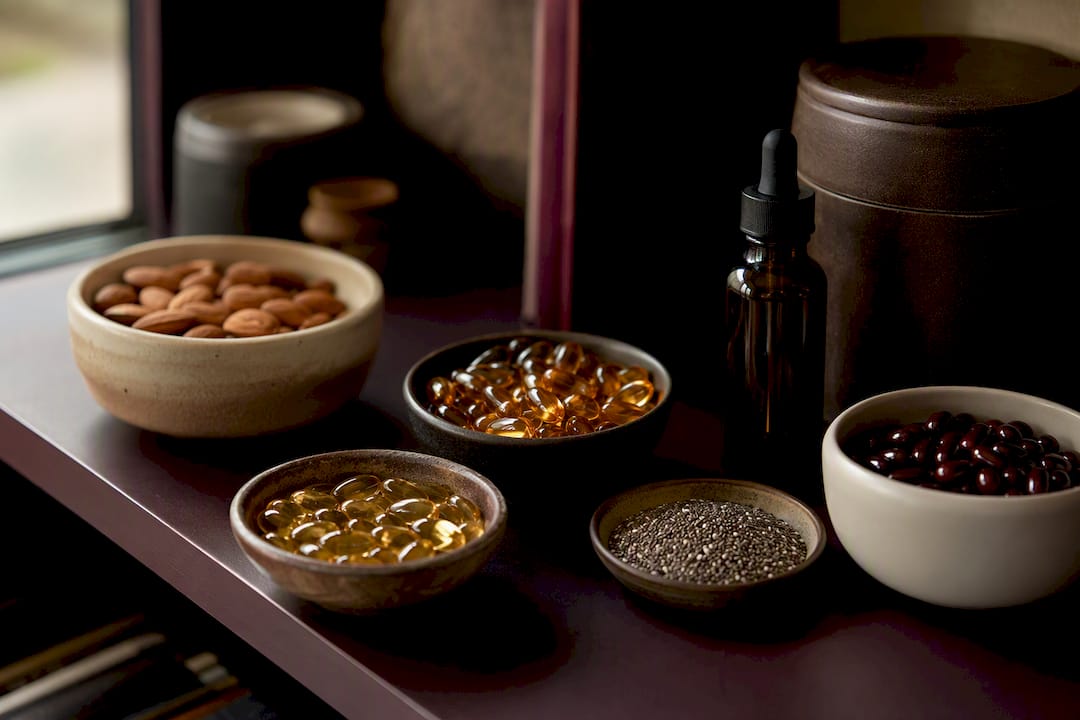
Vitamin E and CoQ10 share a similar fat-soluble antioxidant role, and some research suggests they may work complementarily in protecting cell membranes, though this isn’t a required pairing. NAD+ precursors like NMN work through a different pathway (supporting the coenzyme that fuels mitochondrial metabolism) rather than duplicating CoQ10’s job in the electron transport chain, which is part of why they’re often formulated together rather than viewed as redundant.
Omega-3 fatty acids create a practical synergy worth noting: taking CoQ10 alongside a fish oil supplement or a fatty meal directly improves CoQ10 absorption, since both benefit from the same fat-soluble delivery mechanism.
One caution worth repeating here rather than assuming you already caught it: if you’re taking CoQ10 alongside an anticoagulant like warfarin, that interaction risk doesn’t change just because you’re also taking other antioxidants. Stack supplements thoughtfully, and mention the full list, not just CoQ10, to whichever clinician is managing your medications.
Long-Term Use: How Long Is It Safe to Take CoQ10?
CoQ10 has been studied over extended periods without the safety profile deteriorating, which is reassuring for anyone planning to take it as a long-term maintenance strategy rather than a short course. The heart failure trials that produced the strongest evidence ran for extended periods at 300 mg daily without new safety signals emerging.
There’s no established maximum duration in the research, and no evidence that the body builds tolerance or that effectiveness fades over years of continuous use, unlike some supplements where diminishing returns are a real concern. That said, “safe in trials” doesn’t mean “unlimited and unsupervised.”
If you’re taking CoQ10 for a chronic condition like heart failure, periodic check-ins with your cardiologist make sense, since your dose and overall treatment plan may evolve over time regardless of the supplement. If you’re taking it for migraine prevention and you’ve had a stretch of improvement, some people choose to reassess every 6 to 12 months to see whether continued use is still adding value. There’s nothing in the current evidence suggesting a need to cycle off CoQ10 periodically, but any long-term supplement is worth revisiting with a clinician rather than running on autopilot indefinitely.
CoQ10’s biggest long-term safety advantage: it’s a compound your body already produces and uses constantly, which is part of why it hasn’t produced the kind of red flags seen with some synthetic compounds over extended use.
What the Research Actually Tells Us to Prioritize
The conventional wisdom around CoQ10 treats it like a universal energy fix, and that framing does readers a disservice. The trial evidence tells a narrower, more useful story: CoQ10 helps most when there’s a specific, identifiable reason your levels or your mitochondrial function are compromised, not simply because you feel tired.
What gets overlooked constantly is absorption. People judge CoQ10 as ineffective after taking a bare powder capsule on an empty stomach, when the real failure was the delivery method, not the molecule. That distinction should come before any dosing decision, not after a disappointing first month.
If you take one thing from the evidence, let it be this: match your expectations to your actual risk profile. Heart failure patients and migraine sufferers have real trial data behind them. Healthy adults chasing a vague energy boost are extrapolating well beyond what the research supports. Start there, and everything else, dose, form, timeline, falls into place more honestly.
— Hugo
Where CoQ10 Fits Into a Complete Cellular Energy Strategy
CoQ10 works best as part of a broader mitochondrial support strategy, not as a standalone fix, and that’s precisely why CP-1 built it into a formula rather than selling it alone. The CP-1 NAD+ Advanced Supplement combines CoQ10 with NMN, lion’s mane, reishi, and turkey tail mushroom extracts in a chewable gummy, addressing cellular energy, cognitive function, and immune resilience together instead of asking you to assemble five separate bottles and guess how they interact.
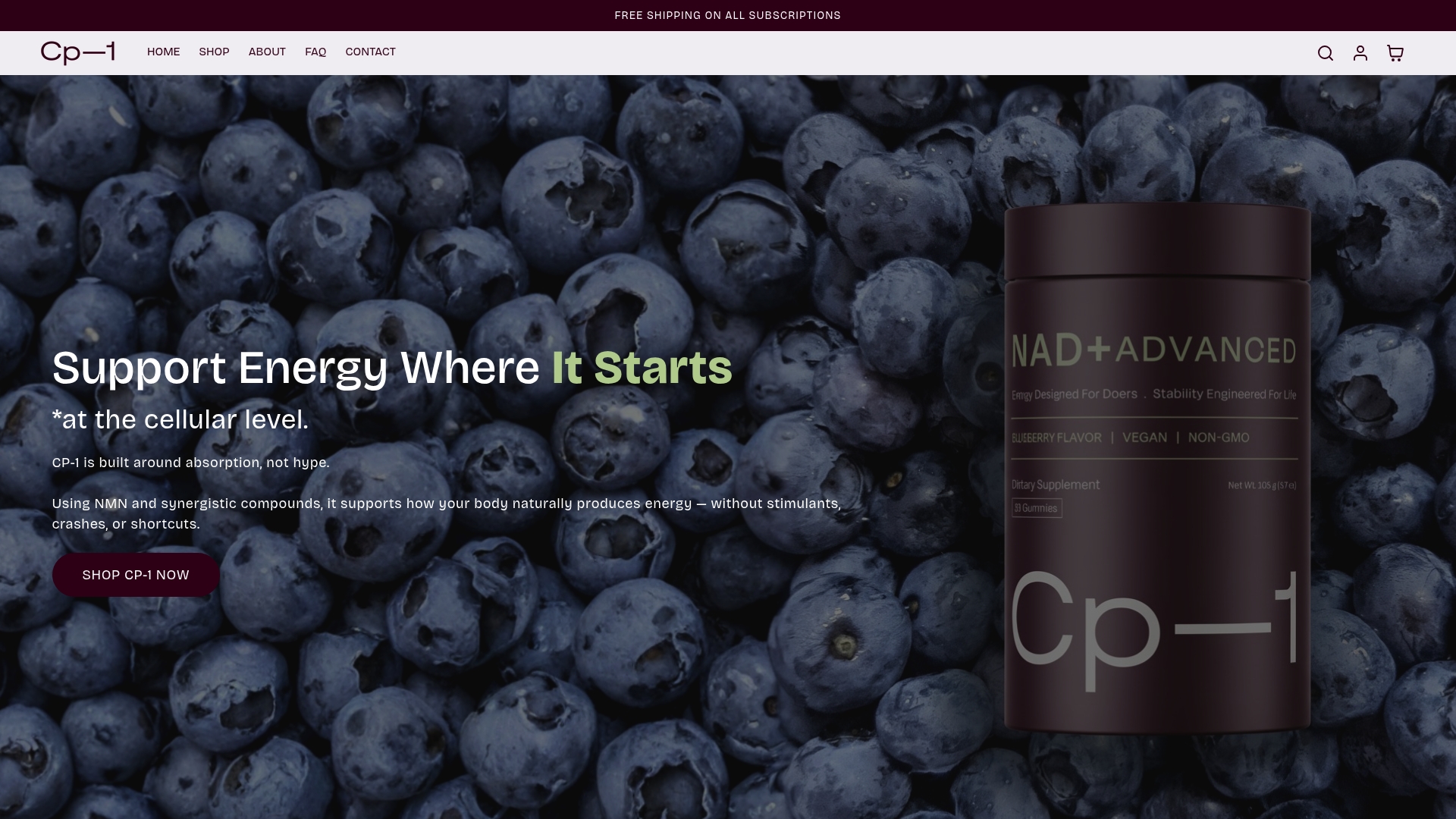
Every batch is manufactured in the United States under GMP-certified standards, using vegan, non-GMO ingredients, with third-party testing to verify potency rather than relying on the label alone, which matters given how often independent testing catches CoQ10 products falling short of their stated dose. If you’ve read this far and recognize yourself in the “older adult noticing an energy dip” or “want mitochondrial support that’s actually verified” category, this formula was built with exactly that reader in mind.
Check current availability and subscription pricing on the CP-1 NAD+ Advanced Supplement page and see whether the combination fits the routine you’re already trying to build.
This article is general information, not a substitute for advice from a qualified doctor. Consult a qualified healthcare professional about your own circumstances before acting on anything here.