

How to Drink Pre-Workout the Right Way
Mix one serving of pre-workout powder with an adequate amount of cold water and drink it roughly half an hour before your training session. If you’re new to it, start with half a scoop. Check the label for caffeine content before you touch anything else, because knowing the caffeine amount is the single most important safety step you can take.
- Timing and dilution matter. Taking it too early means the stimulants peak before you’re even warmed up. Too little water causes GI distress and can spike absorption uncomfortably fast.
- Know your caffeine number. Most pre-workouts contain a moderate amount of caffeine per serving. Add that to your morning coffee and you may already be pushing past what’s comfortable for your body.
Pro Tip: Start with half a dose on your first two or three sessions and log how you feel. Track your total daily caffeine from all sources, not just the scoop.
Clinical guidance from Texas Health consistently stresses reading labels, starting smaller, and prioritizing hydration before leaning on any supplement.
Key Takeaways
Timing, dose, and label literacy are the three things that separate effective pre-workout use from wasted money and unnecessary side effects.
| Point | Details |
|---|---|
| Timing window | Take pre-workout 30–45 minutes before training; evening sessions risk sleep disruption from caffeine’s 5–6 hour half-life. |
| Mixing method | Always mix powder with 8–12 oz of water; never dry-scoop, which carries choking and rapid absorption risks. |
| Dose and caffeine | Start at half a serving; track total daily caffeine across all sources and stay under 400 mg for healthy adults. |
| Label check | Avoid proprietary blends; confirm caffeine mg, citrulline dose, creatine amount, and any novel stimulants before buying. |
| Cp-1 alternative | Cp-1’s NAD+ supplement supports cellular energy and focus without caffeine, making it a practical option for evening use or stimulant cycling. |
Table of Contents
- How do you actually mix and drink pre-workout?
- When should you take pre-workout, and how long does it last?
- How much pre-workout should you take?
- What should you check on the label before buying?
- How should you pair pre-workout with food and fluids?
- How often should you use pre-workout?
- When should you skip pre-workout or see a doctor first?
- Your simple pre-workout routine, step by step
- What does the research actually say about pre-workout?
- What interactions should you know about beyond stimulants?
- What happens after your workout matters too
- My honest take on pre-workout use
- A non-stimulant option worth knowing about
- Sources
How do you actually mix and drink pre-workout?
The form you’re using changes everything about how you prepare it.
Powder (the most common form)
- Measure one serving using the included scoop.
- Add 8–12 oz of cold water to a shaker bottle or glass.
- Pour the powder in after the water to reduce clumping.
- Shake or stir for 20–30 seconds until fully dissolved.
- Sip it steadily over 10–15 minutes rather than chugging it all at once.
Sipping gives your gut time to absorb the ingredients without the cramping or nausea that can come from dumping a concentrated stimulant load into your stomach all at once. Chugging is fine if your stomach handles it well, but sipping is the safer default.
Never dry-scoop. Taking powder without liquid creates a real choking and inhalation risk, and it can spike stimulant absorption dangerously fast. Experts at BarBend document why dry-scooping is genuinely dangerous and advise against it without exception.
Pills and chews
- Swallow with a full 8 oz of water, not a sip.
- Take them on the same 30–45 minute schedule as powder.
- If you’re combining with creatine from a separate source, take both at the same time for simplicity.
Liquid shots and ready-to-drink (RTD) formats
- Shake the bottle before opening.
- Onset tends to be faster than powder, sometimes 15–20 minutes, because absorption begins immediately.
- Check the expiration date and refrigerate after opening.
Pro Tip: If a powder tastes too strong or upsets your stomach, increase the water to 14–16 oz. Diluting doesn’t reduce the active dose. It just makes the experience more comfortable.
When should you take pre-workout, and how long does it last?
The standard window is 30–45 minutes before exercise, though the full range runs 15–60 minutes depending on your form and what you’ve eaten. VASA Fitness timing guidance confirms this window and notes that an empty stomach speeds onset noticeably.
Caffeine, the primary active ingredient in most formulas, typically peaks in the bloodstream around 30–60 minutes after ingestion and stays active for 4–6 hours. That duration matters a lot for your sleep.
- Morning workout (6–7 AM): Take at 5:15–5:30 AM. Effects clear well before afternoon.
- Midday workout (12 PM): Take at 11:15–11:30 AM. You’ll be fine by evening.
- Evening workout (6–7 PM): This is where it gets risky. Caffeine taken at 5:30 PM can still be half-active at 11 PM. Consider a non-stim formula or skip the pre-workout entirely for late sessions.
RTD shots tend to hit faster than powders. Pills can run slower, especially after a full meal. On an empty stomach, expect effects closer to the 15–20 minute mark. After a large meal, budget the full 45–60 minutes.
How much pre-workout should you take?
Research supports a caffeine dose of 3–6 mg per kilogram of body weight for measurable performance benefits. For a 160-pound (73 kg) adult, that works out to roughly 220–440 mg. Most pre-workout servings land between 150–300 mg, which puts a single scoop in a reasonable range for most people.
The problem is that caffeine doesn’t come from just one source. Add a morning coffee (90–100 mg), an afternoon energy drink, and a full pre-workout scoop, and you can easily exceed what your body handles well.
- Start with half a serving for your first 2–3 sessions.
- Scale to a full serving only once you know how your body responds.
- Track total daily caffeine from all sources: coffee, tea, energy drinks, and pre-workout combined.
- The FDA advises that 400 mg per day is generally considered safe for healthy adults, but individual sensitivity varies widely.
Caffeine per serving in most pre-workouts runs 150–300 mg. A single scoop can represent half your entire daily safe limit before you’ve had a cup of coffee.
Pro Tip: Use a caffeine tracking app or a simple note on your phone to log every source. Most people are surprised how quickly the milligrams add up across the day.
For a deeper look at how caffeine forms and dosing interact, the caffeine anhydrous guide on Cp-1 breaks down the differences between common caffeine sources in plain terms.
What should you check on the label before buying?
Most pre-workout labels are designed to impress, not inform. Here’s what actually matters.
- Caffeine mg per serving: The single most important number. Know it before you buy.
- Proprietary blends: If the label lists a “performance matrix” with a total weight but no individual ingredient amounts, avoid it. You can’t match clinical doses if you don’t know the doses.
- Beta-alanine dose: Effective range is typically 3.2–6.4 g daily. Lower amounts may still cause tingling (paresthesia) without delivering the cumulative benefit.
- Citrulline or citrulline malate: Look for at least 6–8 g of citrulline for meaningful pump and blood flow effects.
- Creatine: If it’s included, check the amount. Less than 3 g per serving won’t replace a dedicated daily creatine routine.
- Niacin: High doses cause a flushing sensation. Not dangerous, but uncomfortable if you’re not expecting it.
- Added sugars and artificial sweeteners: Relevant if you’re managing blood sugar or GI sensitivity.
The NIH Office of Dietary Supplements provides solid ingredient-level evidence for what actually performs in exercise contexts, which is a useful cross-reference when evaluating label claims.
Watch for novel or banned stimulants. If you see an ingredient you don’t recognize, look it up before you buy. The Cp-1 supplement label reading checklist walks through exactly what to flag.
Pro Tip: If you train in the evening, choose a non-stim or low-caffeine formula. Matching the product to your training time is more important than chasing the highest-stimulant option.
How should you pair pre-workout with food and fluids?
Pre-workout on a completely empty stomach can cause nausea, especially with higher caffeine doses. A completely full stomach delays absorption and blunts the effect. The sweet spot is somewhere in between.
- 2–3 hours before training: Eat a full balanced meal (protein, complex carbs, fat). This is your primary fuel source.
- 1–1.5 hours before: A small carb-and-protein snack works well. Think Greek yogurt with fruit, or oatmeal with a scoop of protein powder.
- 0–30 minutes before: If you need something, keep it simple and fast-digesting. A banana or a few rice cakes won’t slow you down.
Take your pre-workout with the full 8–12 oz of water. Caffeine has a mild diuretic effect, so staying ahead of hydration matters more during longer or hot-weather sessions. Drink an additional 16–20 oz of water during your workout if you’re sweating heavily.
Easy pre-workout snack ideas: banana, small bowl of oatmeal, Greek yogurt, rice cakes with peanut butter, or a piece of whole-grain toast with honey.

Pro Tip: If pre-workout consistently upsets your stomach, try eating a small snack 30–45 minutes before taking it. That buffer often eliminates GI issues without affecting performance.
How often should you use pre-workout?
Daily use of high-stimulant pre-workouts is a fast track to tolerance. Your body adapts to caffeine within days of consistent exposure, and the same dose that once felt sharp starts to feel like baseline. That’s not a reason to take more. It’s a reason to use it less often.
- Use high-stim pre-workouts on your hardest training days, not every session.
- On active recovery days or lighter sessions, skip it or use a non-stim formula.
- Cycling off caffeine for 1–2 weeks every 6–8 weeks resets sensitivity noticeably.
Two ingredients in many pre-workouts work differently from stimulants and actually need daily dosing.
- Creatine: Requires consistent daily intake of 3–5 g to build muscle phosphocreatine stores over days to weeks. A single pre-workout dose doesn’t replace a dedicated creatine routine. For full guidance, the creatine loading phase breakdown on Cp-1 covers the protocol clearly.
- Beta-alanine: Works through cumulative carnosine loading in muscle tissue. Daily dosing over several weeks produces the real benefit; occasional use delivers mostly tingling with minimal performance return.
Pro Tip: Track your performance metrics (reps, load, pace) over a few weeks rather than judging your pre-workout by how “wired” you feel. Stimulant sensation and actual performance gain are not the same thing.
When should you skip pre-workout or see a doctor first?
Most healthy adults tolerate pre-workout well when they start conservatively. But there are real situations where it’s the wrong call.
Common side effects you can usually manage:
- Jitters or anxiety (reduce dose, switch to lower-caffeine formula)
- Elevated heart rate (normal at moderate doses; concerning if it feels extreme)
- GI upset or cramping (increase water, eat a small snack beforehand)
- Beta-alanine tingling/paresthesia (harmless, but reduce dose or switch to sustained-release)
- Niacin flush (temporary redness and warmth; not dangerous)
Serious red flags that require stopping immediately:
- Chest pain or tightness
- Fainting or near-fainting
- Severe or irregular heart palpitations
- Sudden severe headache
People who should consult a clinician before using any stimulant-containing supplement: those with heart disease, uncontrolled hypertension, arrhythmia, anxiety disorders, pregnancy or breastfeeding, or anyone taking medications that interact with stimulants (including MAOIs, certain antidepressants, and thyroid medications). A peer-reviewed safety review confirms that cardiovascular risk factors warrant medical review before use.
Your simple pre-workout routine, step by step
- Check your total caffeine for the day. Add up coffee, tea, energy drinks, and the pre-workout serving. Stay under 400 mg unless your clinician says otherwise.
- Measure your serving. Start with half a scoop if it’s your first time with a new product.
- Mix with 8–12 oz of cold water. Shake well. Never dry-scoop.
- Drink it 30–45 minutes before your session starts. Sip steadily rather than chugging.
- Hydrate during your workout. Aim for at least 16–20 oz of water per hour of training.
Pro Tip: If you feel over-stimulated (shaky, anxious, heart racing), cut your dose in half next time and shift any evening sessions to a non-stim formula. The goal is performance, not discomfort.
What does the research actually say about pre-workout?
The evidence on caffeine as a performance aid is solid. Studies indexed on PubMed confirm caffeine’s ergogenic effects on endurance, strength, and perceived exertion, with the clearest benefits appearing in the 3–6 mg/kg body weight range.
Beyond caffeine, the picture gets murkier. Many pre-workout formulas include ingredients at doses too low to match what clinical studies used, which is exactly why proprietary blends are a problem.
Practical alternatives worth knowing: 1–2 cups of black coffee (roughly 90–180 mg of caffeine) can substitute for a stimulant-focused pre-workout for many people, according to University Hospitals experts. No additives, no proprietary blends, and the dose is easy to control.
Other practical options:
- A well-timed carbohydrate snack 30–60 minutes before training provides real fuel without any stimulant load.
- Non-stim pre-workout formulas (citrulline, beta-alanine, creatine, electrolytes) deliver pump and endurance support without caffeine, making them a good fit for evening sessions.
- For ergogenic aid strategies grounded in evidence, the Cp-1 blog covers what the research actually supports.
Pro Tip: Pair a small pre-workout snack with a lower-stim product if jitters are a recurring issue. The food buffers absorption and reduces the sharp stimulant spike.
For caffeine timing applied to focus-based activities, Caffeine.exe’s caffeine timing guide offers a useful parallel framework.
What interactions should you know about beyond stimulants?
Caffeine gets most of the attention, but other ingredients in pre-workouts can interact with medications and supplements in ways that catch people off guard.
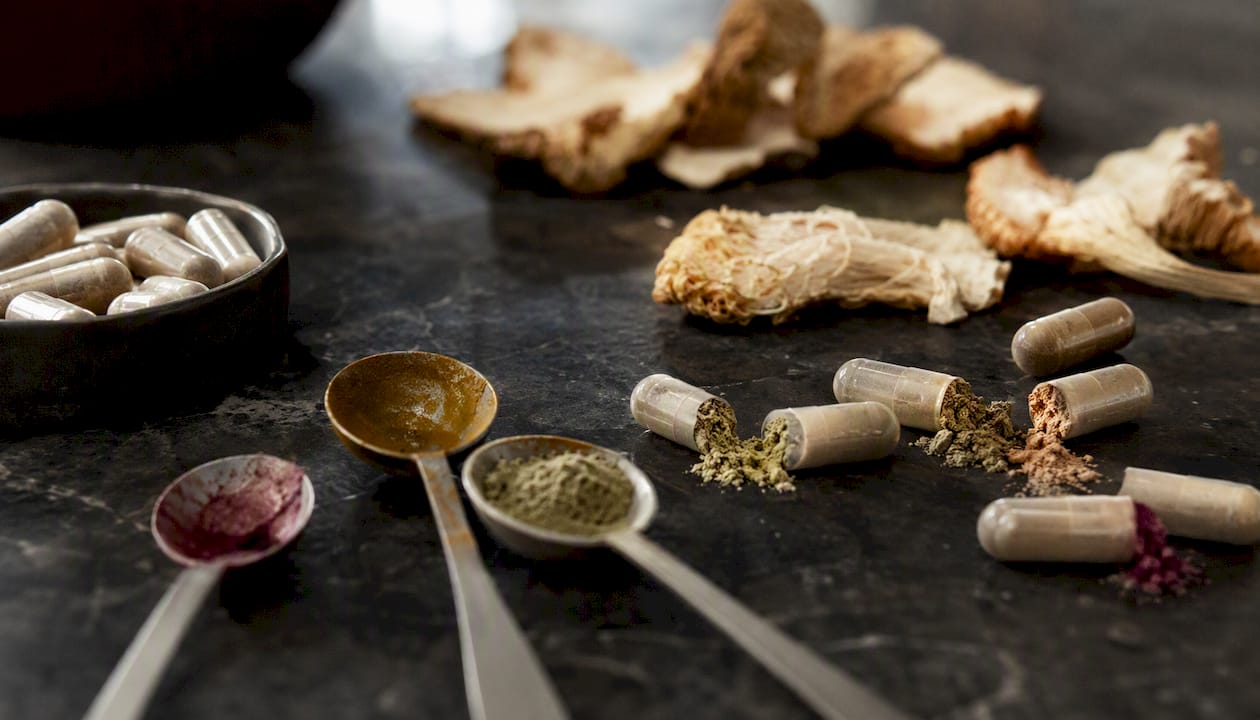
Creatine is generally well-tolerated, but people with kidney disease should check with a clinician before using it daily, since the kidneys process creatine metabolites. Beta-alanine has no known serious drug interactions, but stacking it with other histamine-releasing compounds can amplify flushing sensations.
Citrulline and arginine both support nitric oxide production. If you’re taking medications for erectile dysfunction (like sildenafil) or blood pressure medications that also affect nitric oxide pathways, the combination can cause an excessive blood pressure drop.
Niacin at high doses interacts with statins and can increase the risk of muscle-related side effects. If you’re on a statin, check the niacin content on your pre-workout label before using it regularly.
Some pre-workouts include B vitamins at megadose levels. These are generally safe, but very high B6 doses over long periods have been linked to peripheral neuropathy in some cases.
The bottom line: if you’re on any prescription medication, run your pre-workout label past your pharmacist or physician. It takes five minutes and removes a real risk.
What happens after your workout matters too
The stimulants in your pre-workout don’t stop working when you rack the bar. Caffeine’s half-life is roughly 5–6 hours, which means half the dose you took at 5 PM is still circulating at 10 or 11 PM.
Avoid stacking additional caffeine sources after your workout. That means skipping the post-workout energy drink or late-afternoon coffee if you trained in the evening. Sleep quality is where a significant portion of muscle recovery happens, and caffeine-disrupted sleep undercuts the very gains you trained for.
If your workout runs long or you sweat heavily, replenish fluids and electrolytes after training. The mild diuretic effect of caffeine makes post-workout hydration more important, not optional.
For people who train in the evening and still want cognitive support without the sleep disruption, a non-stimulant option taken earlier in the day can support focus and cellular energy without pushing caffeine into the hours when your body needs to wind down. The non-caffeine pre-workout options covered on Cp-1 are worth reviewing if that’s your situation.
My honest take on pre-workout use
The supplement industry has a habit of selling intensity as a proxy for effectiveness. A pre-workout that makes you feel like your skin is crawling isn’t necessarily doing more for your performance than one that simply delivers clean, well-dosed caffeine and a few evidence-backed actives. The tingling, the flush, the heart-pounding rush — those are sensations, not results.
What actually moves the needle is consistent training, adequate sleep, real food, and a supplement stack that’s honest about its doses. Pre-workout can be a genuinely useful tool when you use it deliberately: right timing, right dose, right form for your training schedule. Used carelessly, it’s just expensive jitters.
If you find yourself needing a pre-workout to get through every single session, that’s worth paying attention to. The dependency is a signal, not a badge.
A non-stimulant option worth knowing about
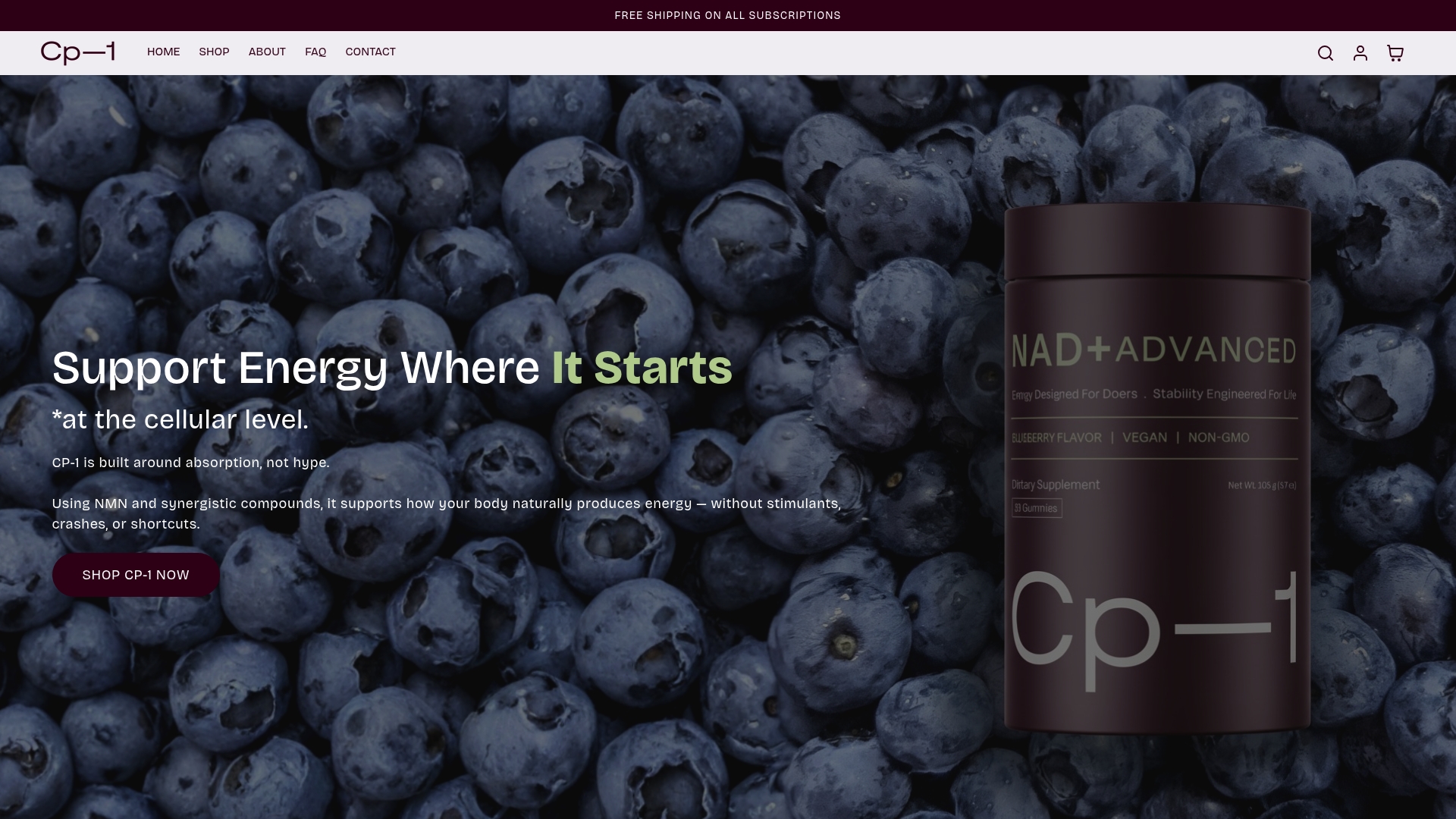
Not every training session calls for 200 mg of caffeine. For recovery days, evening workouts, or anyone who’s cycling off stimulants, Cp-1’s NAD+ Advanced Supplement offers a different kind of support: cellular energy through NMN and CoQ10, cognitive clarity from Lion’s Mane, and immune resilience from Reishi and Turkey Tail mushroom extracts. No caffeine, no jitters, no sleep disruption.
It’s vegan, non-GMO, GMP-certified, and made in the US. The focus is on mitochondrial energy and long-term wellness rather than a short-term stimulant spike. If you want sustained mental clarity and energy that doesn’t interfere with your sleep or your caffeine cycling plan, explore Cp-1’s NAD+ supplement and see whether it fits your routine.
Sources
- Exercise and Athletic Performance - Health Professional Fact Sheet
- Spilling the beans: how much caffeine is too much?
- Open-access review on supplement ingredient safety and usage
- PubMed record related to caffeine and exercise performance
- What You Need to Know About Pre-Workout Supplements
This article is general information, not a substitute for advice from a qualified doctor. Consult a qualified healthcare professional about your own circumstances before acting on anything here.