
Short verdict: reishi can meaningfully ease perceived stress for some people, with a handful of trials showing real, measurable improvement over 6 to 12 weeks. The evidence is promising but not conclusive, and product quality varies wildly. If you’re pregnant, breastfeeding, on blood thinners, or dealing with low blood pressure, talk to a clinician before you start.
TL;DR:
- Most trials showing reishi’s stress-reducing effects last 6 to 12 weeks and involve small sample sizes, making results less conclusive.
- Reishi’s active compounds, mainly polysaccharides and triterpenoids, may lower cortisol through modulation of the stress-related HPA axis.
- Effectiveness varies depending on formulation, with fruiting-body extracts providing the most relevant research data.
- People taking blood thinners, with low blood pressure, pregnant, or breastfeeding should consult a doctor before use due to potential risks.
- Combining reishi with other adaptogens or mushroom extracts might enhance stress resilience more than using reishi alone.
Table of Contents
- Reishi for Stress: The Clinical Evidence at a Glance
- Why Reishi Might Reduce Stress in the First Place
- What the Key Trials Measured, and What They Found
- How Reishi Is Typically Taken, and How Long Before You Notice Anything
- Who Should Be Careful With Reishi
- How to Choose a Reishi Product That Resembles What Was Actually Tested
- Putting Reishi Research Into Practice
- An Honest Read on Where the Reishi Research Stands
- Where CP-1 Fits if You Want Reishi in Your Routine
- Sources
Reishi for Stress: The Clinical Evidence at a Glance
Reishi’s reputation as a calming mushroom isn’t just folklore repeated by supplement marketers. It has actual trial data behind it now, though the pile is still thin compared to something like magnesium or ashwagandha.
Here’s what the research has found so far:
- A 2025 randomized, double-blind, placebo-controlled study found that reishi-containing supplementation significantly improved perceived stress after 6 weeks, with results reaching statistical significance.
- A 2020 pilot RCT in women with fibromyalgia showed within-group mood improvements, but no significant difference versus placebo, a common outcome in small trials.
- A 2025 review of Ganoderma lucidum’s bioactive compounds concluded the mushroom has plausible stress-relevant activity, without declaring it a proven treatment.
Most of these trials ran 6 to 12 weeks and leaned on standard tools like the Perceived Stress Scale, the State-Trait Anxiety Inventory, and cortisol bloodwork. The honest limitation across nearly all of them: small sample sizes, inconsistent formulations, and short durations that make it hard to say how lasting the effect is.
Why Reishi Might Reduce Stress in the First Place
Reishi belongs to a category called adaptogens, substances traditionally used to help the body handle physical and mental strain more efficiently rather than sedate you outright. The leading theory is that it works partly through the HPA axis, the feedback loop connecting your brain to your adrenal glands that governs cortisol release. When that axis runs hot for too long, chronic stress symptoms follow. Some biomarker data suggest reishi compounds can nudge cortisol output downward.
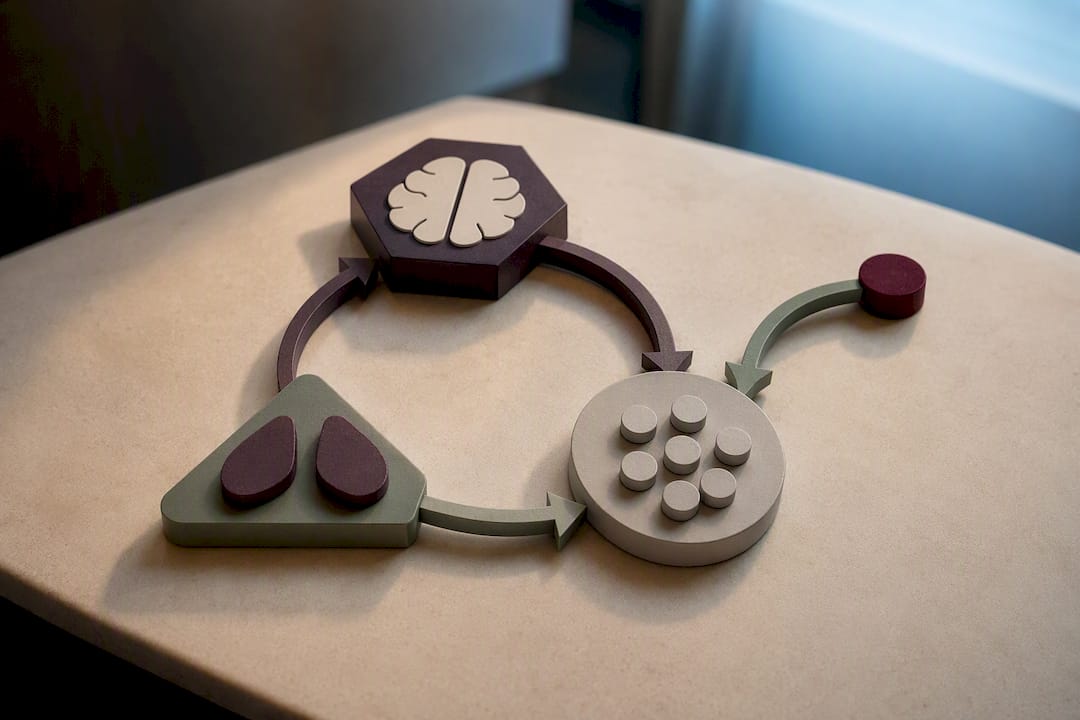
The compounds doing the work are mostly polysaccharides (including beta-glucans) and triterpenoids, both of which show antioxidant and anti-inflammatory activity in lab and animal studies. Chronic low-grade inflammation is increasingly tied to stress physiology, so a compound that dampens it has a plausible route to helping. That said, most of the deepest mechanistic evidence still comes from animal and cell studies, not humans. The human data is real but limited to biomarker shifts and self-reported mood, not a full map of how the mechanism plays out in people.
What the Key Trials Measured, and What They Found
Reishi research has grown more rigorous, but it hasn’t grown large. The most cited 2025 randomized trial tested a reishi-containing formulation, in that case combined with other adaptogenic ingredients, and tracked perceived stress scores over 6 weeks. The improvement was statistically significant, though the combination formula makes it hard to isolate reishi’s individual contribution.
A separate line of research points in a similar direction. One 2026 RCT covered by industry press tested a five-mushroom blend including reishi and reported reduced anxiety alongside modest cortisol drops at six and twelve weeks in the intervention group.
Older data is messier. The 2020 pilot trial in women with fibromyalgia is worth repeating here for a different reason: it illustrates how population matters. Results that hold in one group (chronic pain patients) may not generalize to a healthy adult managing everyday work stress.
Key takeaways from the trial landscape so far:
- Combination formulas (reishi plus other mushrooms or adaptogens) tend to show larger biomarker shifts than single-ingredient reishi alone.
- Outcome measures vary by study: some rely on subjective stress scales, others on cortisol, and a few use both.
- Reviewers consistently flag heterogeneous products and small cohorts as the main reason results aren’t more decisive.
How Reishi Is Typically Taken, and How Long Before You Notice Anything
Reishi shows up in a few common forms, and they are not interchangeable in terms of potency or research backing:
- Fruiting-body extract, generally considered closer to what most clinical trials actually tested.
- Spore powder, less studied and more variable in active compound content.
- Whole mushroom powder, cheaper but often lower in concentrated actives.
- Tea or tincture, convenient but harder to standardize for dosing.
Doses used in trials vary by formulation and study design, so there’s no single universal number to chase. What’s consistent is the timeline: researchers dosed daily for multiple weeks before measuring any change, and most benefit was tracked at the 6 to 12 week mark, not after a few days.
Pro Tip: Treat reishi like a supplement you’re building a habit with, not a headache pill you take when stress spikes. Reishi for anxiety relief and stress reduction tends to work cumulatively, so daily consistency matters more than any single dose.
Who Should Be Careful With Reishi
Reishi is generally considered probably safe for most healthy adults, according to the Merck Manual, but that general safety profile comes with real exceptions.
You should consult a clinician before starting reishi if any of the following apply:
- You’re pregnant or breastfeeding.
- You take anticoagulant or antiplatelet medication, since reishi may have mild blood-thinning properties.
- You have low blood pressure, because reishi can lower it further.
- You have surgery scheduled, since bleeding risk and blood pressure effects matter around procedures.
Most people who try reishi report mild digestive upset, dry mouth, or occasional dizziness, and rare reports include allergic skin reactions. If you’re combining reishi with other supplements or medications, watch for unusual bruising, lightheadedness, or unexpectedly low readings if you track blood pressure at home. For a fuller rundown of what to expect, CP-1’s guide to reishi side effects covers the specifics in more depth, and this overview of red light therapy contraindications is a useful reminder that “natural” and “risk-free” aren’t the same thing across wellness tools generally.
How to Choose a Reishi Product That Resembles What Was Actually Tested
The gap between lab research and store shelves is one of the biggest problems in this category. A 2021 critical review in Phytotherapy Research points out that differences in species, growing conditions, and extraction method change the active-ingredient profile enough that dosing from a trial doesn’t reliably translate to a random bottle at the store.
When you’re shopping for reishi supplements for anxiety or stress support, look for:
- A standardized extract with a stated polysaccharide or beta-glucan percentage, not just “reishi mushroom powder” with no specifics.
- Fruiting-body extract labeling, since that’s closer to what most clinical trials used, rather than pure spore powder.
- Third-party testing seals confirming purity and potency.
- Clear, specific ingredient lists rather than vague “proprietary blend” language.
If a label promises instant calm or “clinically proven” results without citing an actual study, treat that as a red flag, not reassurance. CP-1’s breakdown of why extract type matters walks through this labeling problem in more detail.
Putting Reishi Research Into Practice
The clinical picture on reishi is honestly a decent one for a natural stress-support ingredient, better than most fad adaptogens get. If you want the fuller context on how reishi fits alongside other mushroom compounds, CP-1’s guide to functional mushroom benefits and wellness guide to mushrooms go deeper into the science behind each compound.
The practical move, based on what trials actually tested: take it daily, give it 6 to 12 weeks, and track your own stress or mood scores so you’re not guessing whether it’s working. Confirm with a clinician first if you fall into any of the caution groups above.
An Honest Read on Where the Reishi Research Stands
Reishi isn’t a miracle stress fix, and anyone claiming otherwise is overselling a mushroom with real but modest evidence behind it. What strikes me most going through these trials is how consistently the direction of the effect holds, mood and stress scores tend to move the right way, even when the sample size is too small to call it definitive.
That consistency is more meaningful than a single flashy result would be. My honest recommendation: give it a genuine 6 to 12 week trial, track how you actually feel using something concrete like the adaptogens for stress breakdown, and loop in your doctor if you’re in any of the higher-risk categories. Skepticism and curiosity can coexist here.
— Hugo
Where CP-1 Fits if You Want Reishi in Your Routine
If you’re sold on trying reishi but don’t want to guess which bottle on the shelf resembles what researchers actually tested, A supplement combining reishi extract with other ingredients may support stress resilience instead of relying on a single ingredient alone.
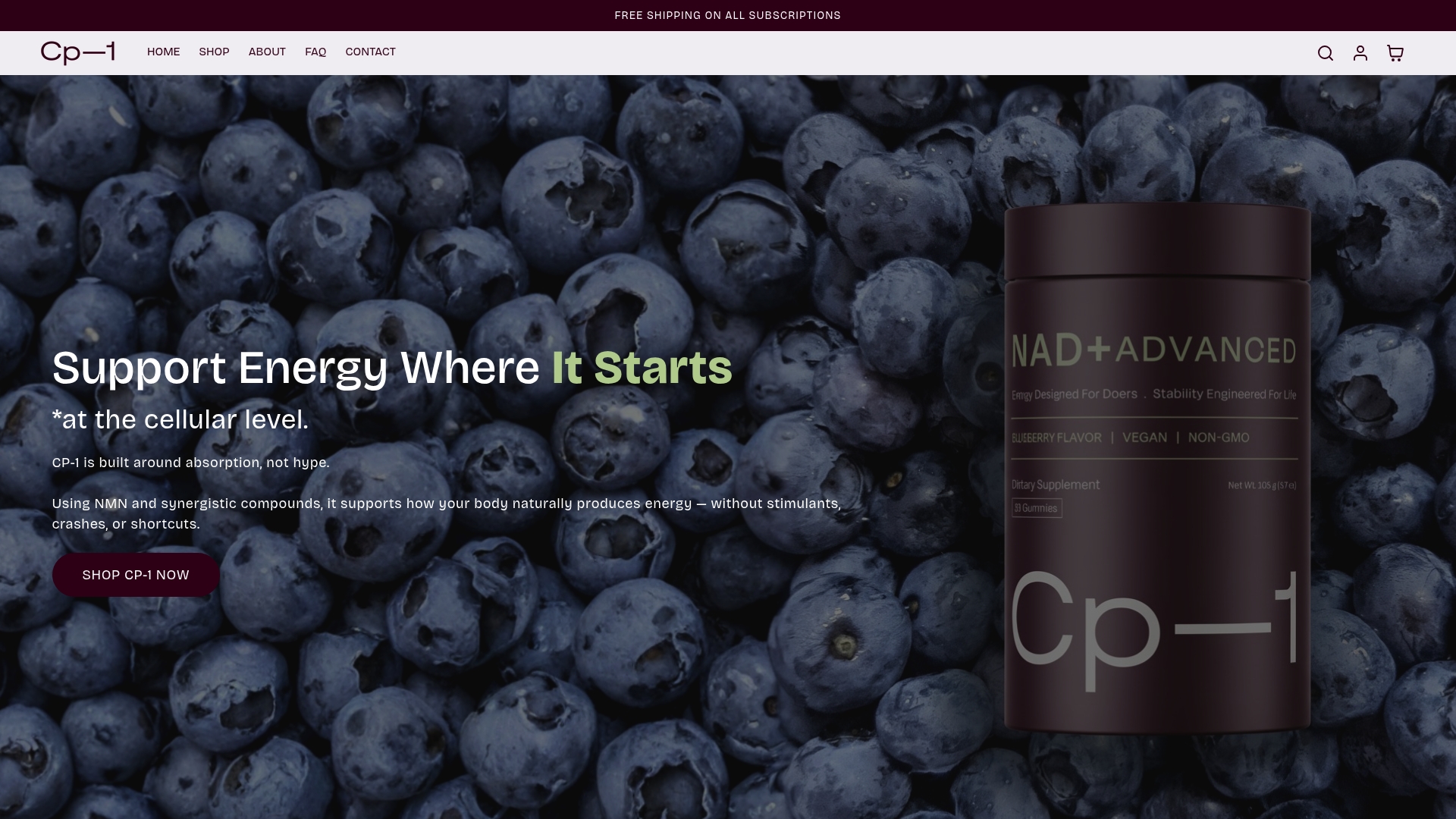
CP-1 combines reishi extract with lion’s mane, turkey tail, NMN, and CoQ10 in one chewable gummy, built around cellular energy and stress resilience rather than a single ingredient carrying the whole formula. It’s manufactured under quality standards and made with vegan, non-GMO ingredients, reflecting verifiable quality cues to look for on any reishi label. If pairing reishi with complementary mushroom extracts and NAD+ support sounds like the smarter way to build a daily stress-support habit, you can check the full ingredient breakdown and order details on the CP-1 product page.
This article is general information, not a substitute for advice from a qualified doctor. Consult a qualified healthcare professional about your own circumstances before acting on anything here.